
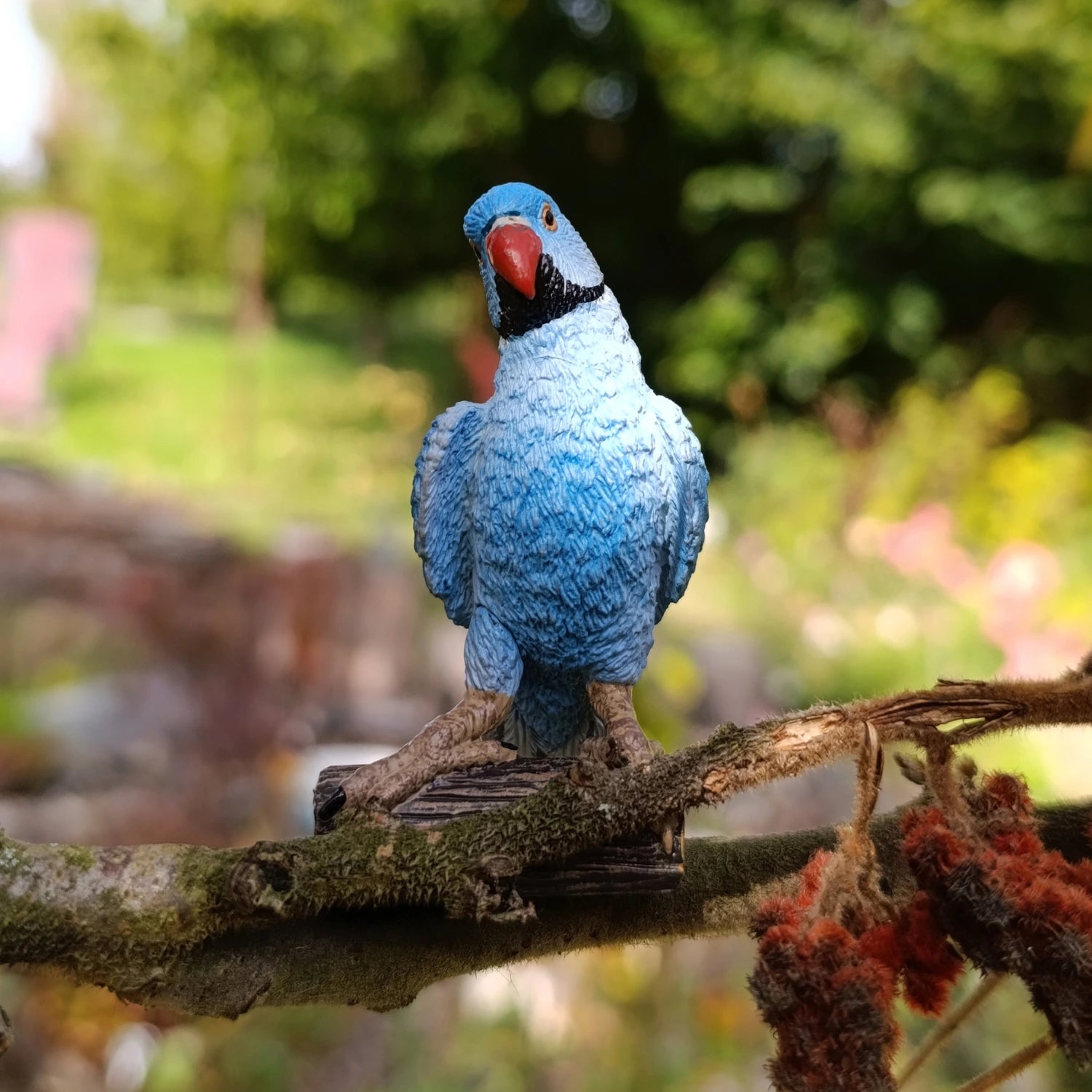
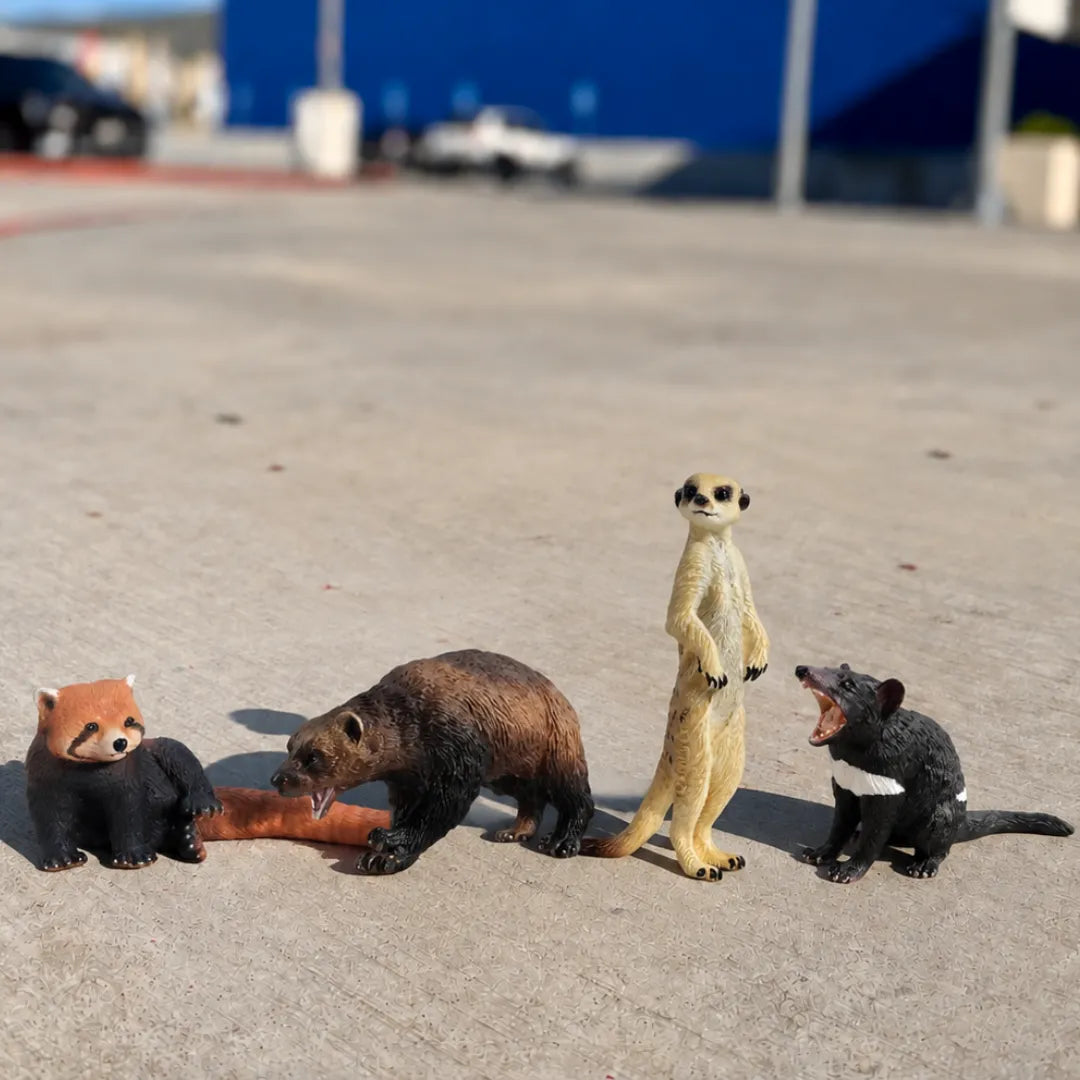
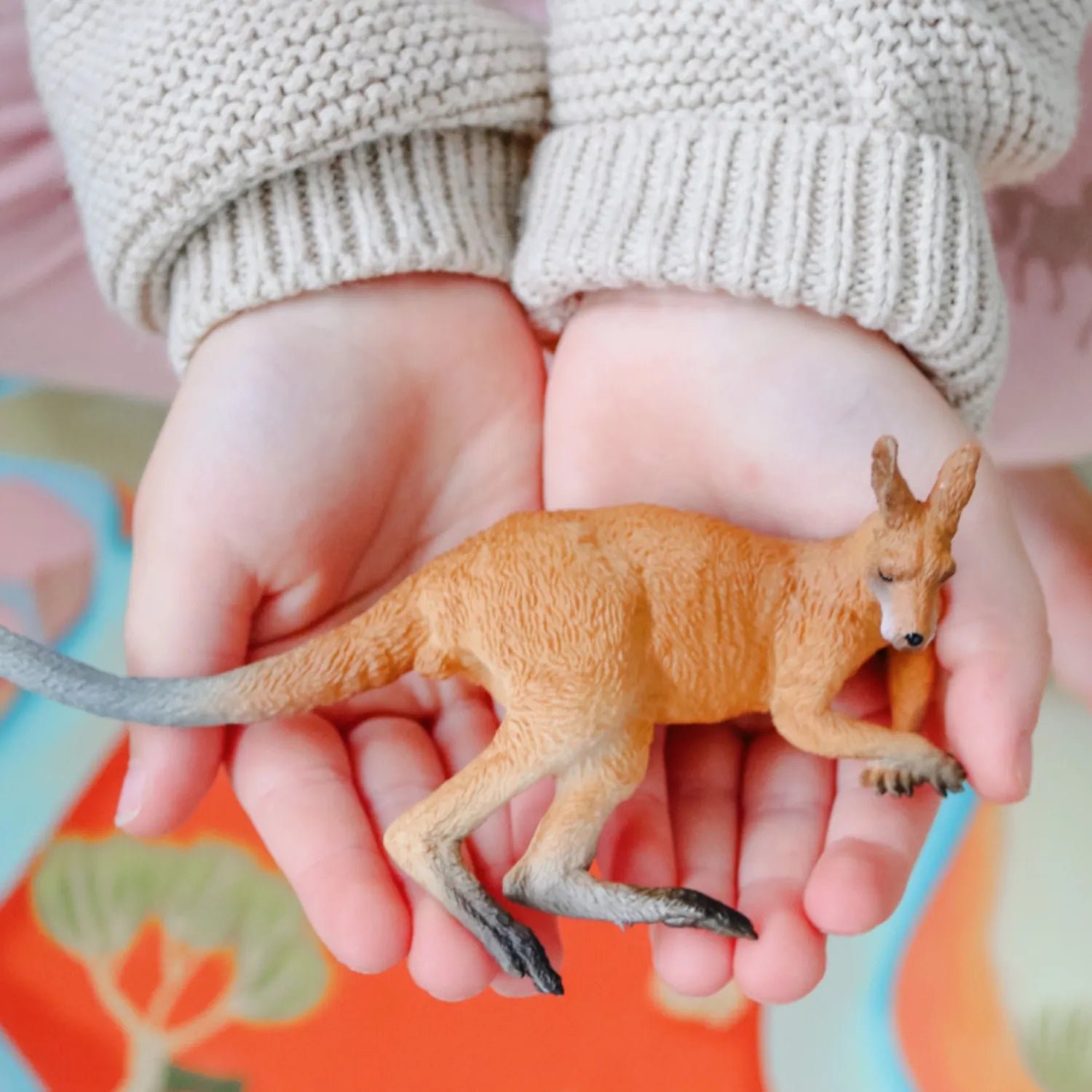
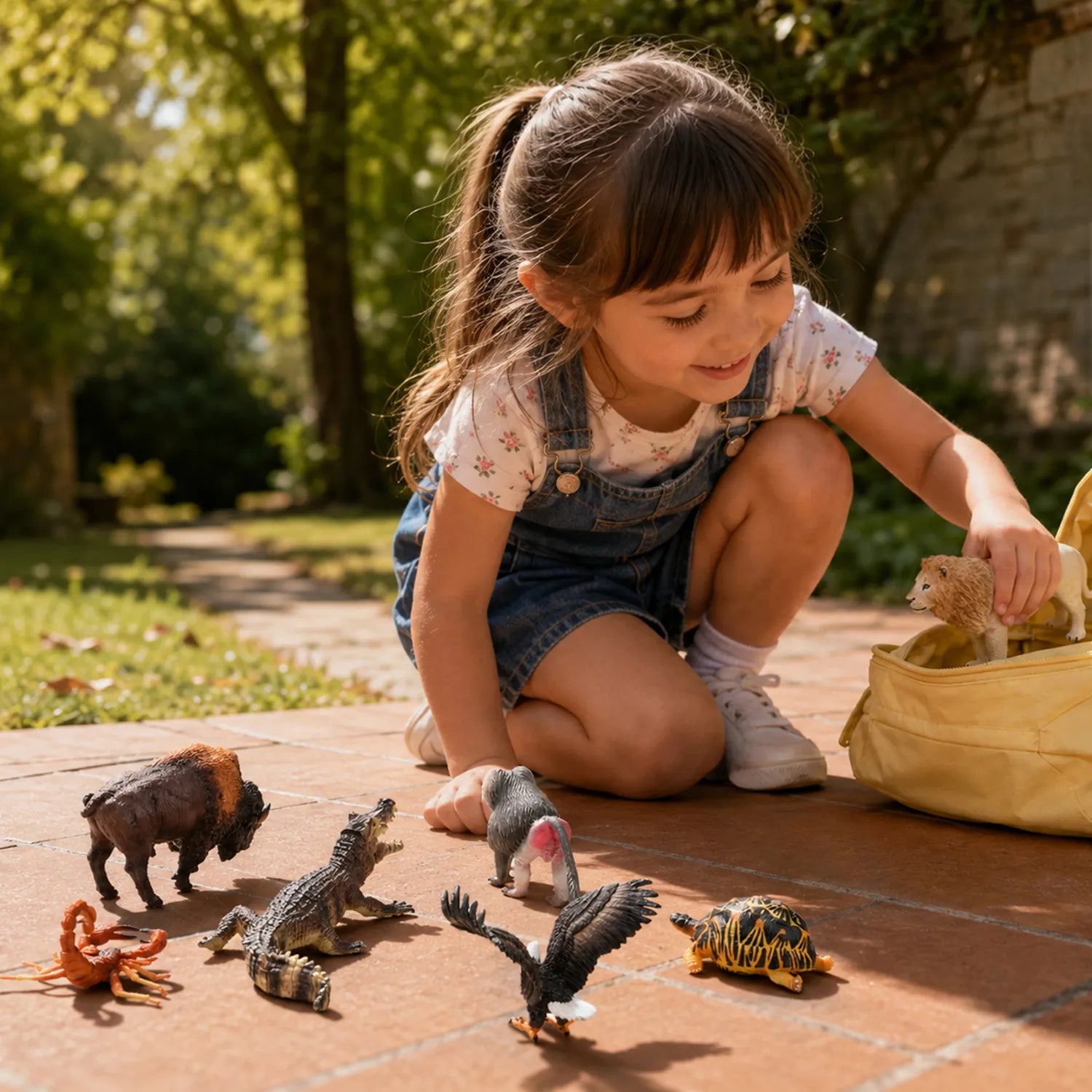

When people think of carnivores, lions, tigers, and wolves often come to mind first. These powerful hunters have long shaped the way we picture the carnivore world—but they represent only part of its remarkable diversity.

At Toymany, we wanted to look beyond these familiar predators.
That idea inspired us to create the Toymany 12-Piece Carnivore Figurines Playset. By bringing together recognizable favorites and lesser-known species, we set out to show a broader and more surprising side of the carnivore world.
More Than Meat-Eaters: What Does “Carnivore” Mean?
The word “carnivore” may sound straightforward, but it can describe two different ideas.
In everyday language, it usually refers to an animal that eats other animals. In taxonomy, however, “Carnivora” names an order of mammals whose members follow a surprisingly wide range of diets.
We drew on both meanings when shaping this playset.
The kinkajou belongs to the order Carnivora but feeds mainly on fruit.
The red panda has also adapted to a largely plant-based diet.
The Tasmanian devil, by contrast, is a carnivorous marsupial outside the order Carnivora.

Including animals like these allowed us to move beyond a narrow lineup of meat-eating hunters and present a more varied—and more surprising—picture of the carnivore world.
What Made This Carnivore Figurine Set Challenging to Create?
Selecting 12 animals involved much more than filling 12 spaces.
Finding the Right Balance Between Familiar and Lesser-Known Species
If we had focused only on widely recognized predators, the playset would have felt too familiar. Yet a collection made entirely from obscure species could feel less approachable to children and casual animal lovers.
We therefore combined animals many people already recognize—such as the red fox, snow leopard, and red panda—with species that appear less often in animal figurine collections.
The kinkajou became one of our most distinctive choices.
Its fruit-heavy diet and life in tropical treetops challenge the conventional image of a carnivore.
We also selected the Asian palm civet, whose elongated body, short legs, pointed face, and remarkably long tail give it a silhouette unlike any other animal in the set.
By including species like these, we could introduce new animals without losing the sense of familiarity that draws people into the collection.
Creating Real Variety Across 12 Animals
We did not want diversity to exist only in the animals’ names. We wanted people to see it immediately in their shapes, patterns, habitats, and ways of surviving.
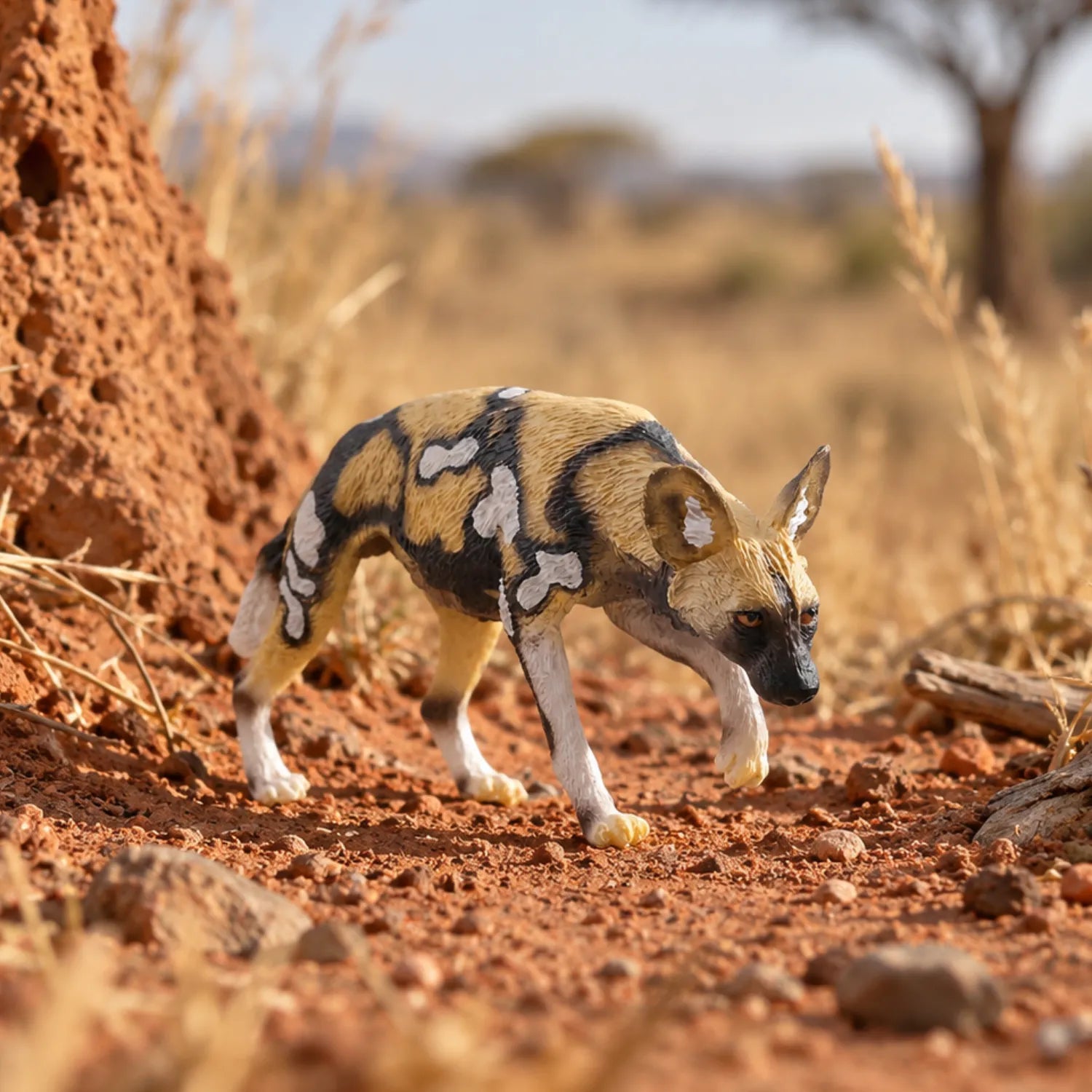
For example, the African wild dog relies on cooperative hunting, while the striped skunk uses its distinctive warning display and scent spray for defense. These contrasting strategies offered just a glimpse of the variety we wanted the full collection to convey.
These differences gave the set greater visual range, but they also helped us present carnivores as more than animals that pursue prey. Some cooperate, some warn, some conceal themselves, and others rely on physical adaptations shaped by demanding habitats.
Preserving Identity at a Smaller Scale
After choosing the species, we faced another challenge: deciding which details would make each animal unmistakable as a figurine.
A real animal may have subtle facial markings, layered fur, distinctive proportions, or a characteristic posture. When we reduce that animal to the size of a model, every sculpted line and painted transition has to work harder.
We therefore focused on the features that carry each species’ identity.
For the spotted hyena, we chose an alert, forward-moving hunting pose, with its head lowered, mouth open, and one foreleg lifted as if it had just detected prey and was closing in. This characteristic posture gives the figurine a sense of motion while bringing the animal’s watchful, determined presence into view.

We applied this same attention to posture, proportion, and texture throughout the collection. It offers a closer look at how we translated those defining traits into finished Toymany figurines.
From Sculpt to Finished Figurine: Bringing Details to Life
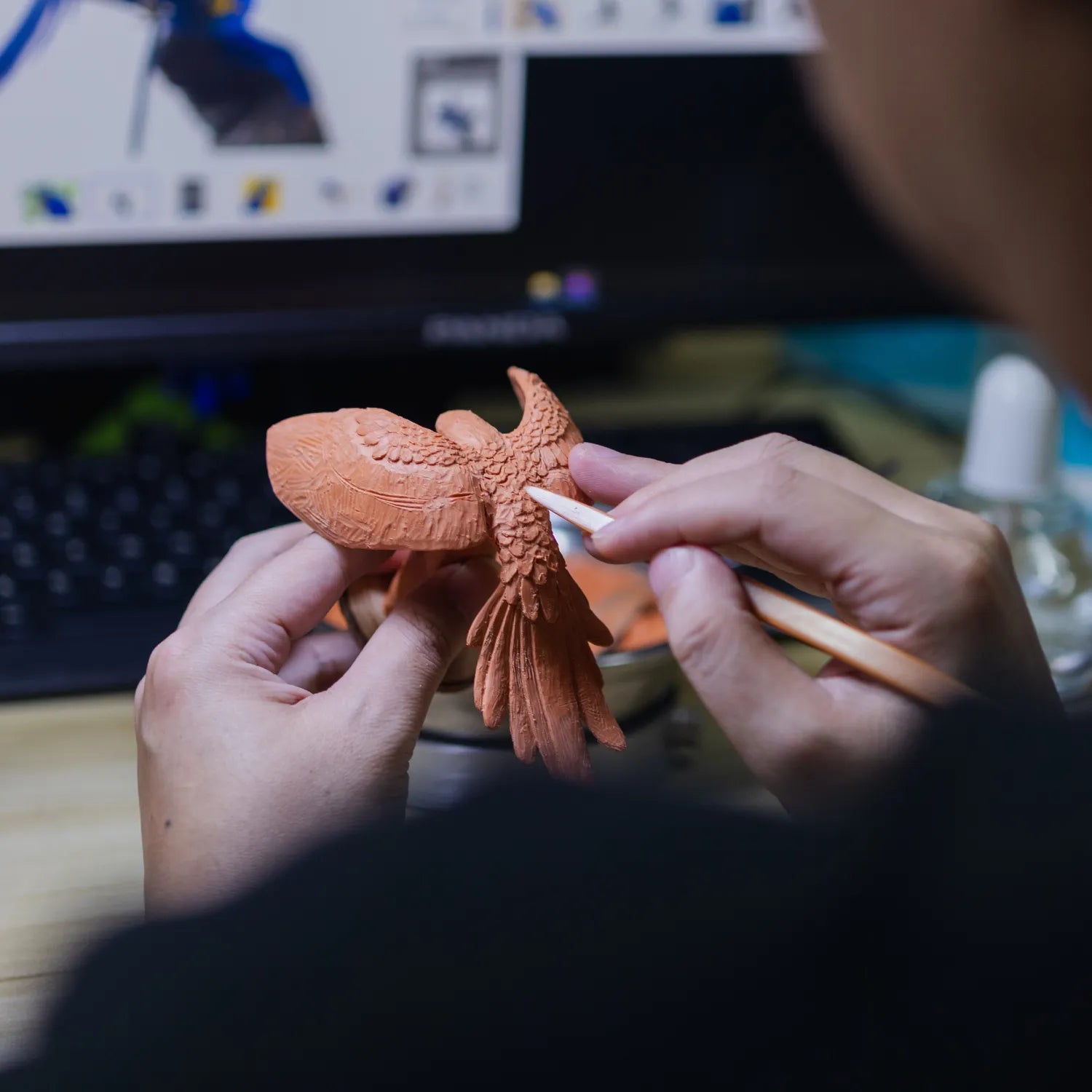
Choosing the animals and identifying their defining features gave us a clear direction, but the clay-sculpting stage turned those ideas into three-dimensional forms.
At this point, we refined each animal’s proportions, posture, expression, and surface texture while considering how every detail would appear at figurine scale.
Capturing the Meerkat’s Watchful Character
For the meerkat, we centered the sculpture on one of its most recognizable behaviors: keeping watch. We used its upright posture, slender body, raised head, and closely held forepaws to create an alert silhouette that viewers could recognize even before we added color.

Building the Striped Skunk Through Texture and Pattern
The striped skunk presented a different challenge. Its identity depends heavily on both the volume of its fur and the bold white markings that run across its dark coat.
We then used the sculpted texture to guide the final paintwork. Instead of treating the white stripes as flat shapes placed on the surface, we followed the animal’s contours and fur flow so that the markings felt connected to its form.

We previously shared images of these sculpts on an animal figurine forum, and many members recognized both species almost immediately from their distinctive postures and textures alone—a rewarding sign that their defining features were already coming through before the final paintwork was added.
How Many Animal Stories Can One Set Explore?
The variety within this set was designed to encourage more than simple animal recognition.
Explore Habitats
The 12 species also connect to very different parts of the world.
Some live in tropical forests, others in open grasslands, mountain environments, or temperate woodlands. This makes the figurines useful for map activities, habitat matching, classroom projects, and small-world scenes.
Meet Lesser-Known Species
Another reason we chose animals such as the kinkajou and Asian palm civet was simply to give them more visibility.
We hope that seeing these animals represented as carefully as the more recognizable ones can spark curiosity about them—what they are, where they live, and how they survive.
Sometimes, discovering an unfamiliar animal is the beginning of wanting to learn more about it.

Seeing More of the Carnivore World
Carnivores are far more varied than the large predators that usually come to mind first.
While developing this collection, we considered not only which animals to include, but also how the 12 species could feel distinct from one another and which physical traits needed to remain recognizable at figurine scale.
With the Toymany Carnivore Figurines Playset, we hope to bring some of those less familiar animals into view and encourage people to look a little more closely at the remarkable diversity hidden within the carnivore world.
This collection began with a simple idea: carnivores should not be represented by only a handful of familiar predators.
Meet all 12 species and explore the full Toymany 12-Piece Carnivore Figurines Playset here.

Leave a comment
All comments are moderated before being published.
This site is protected by hCaptcha and the hCaptcha Privacy Policy and Terms of Service apply.