
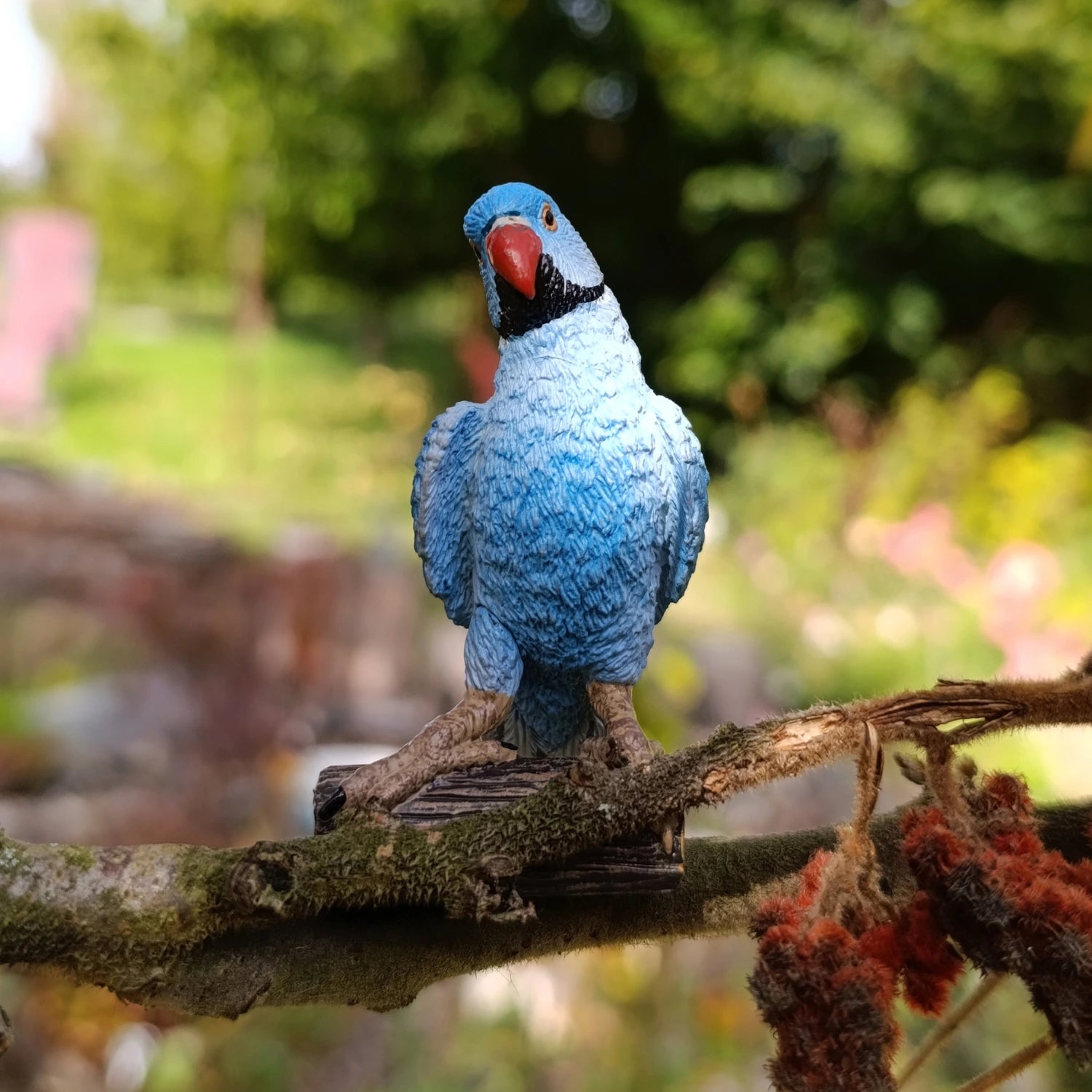
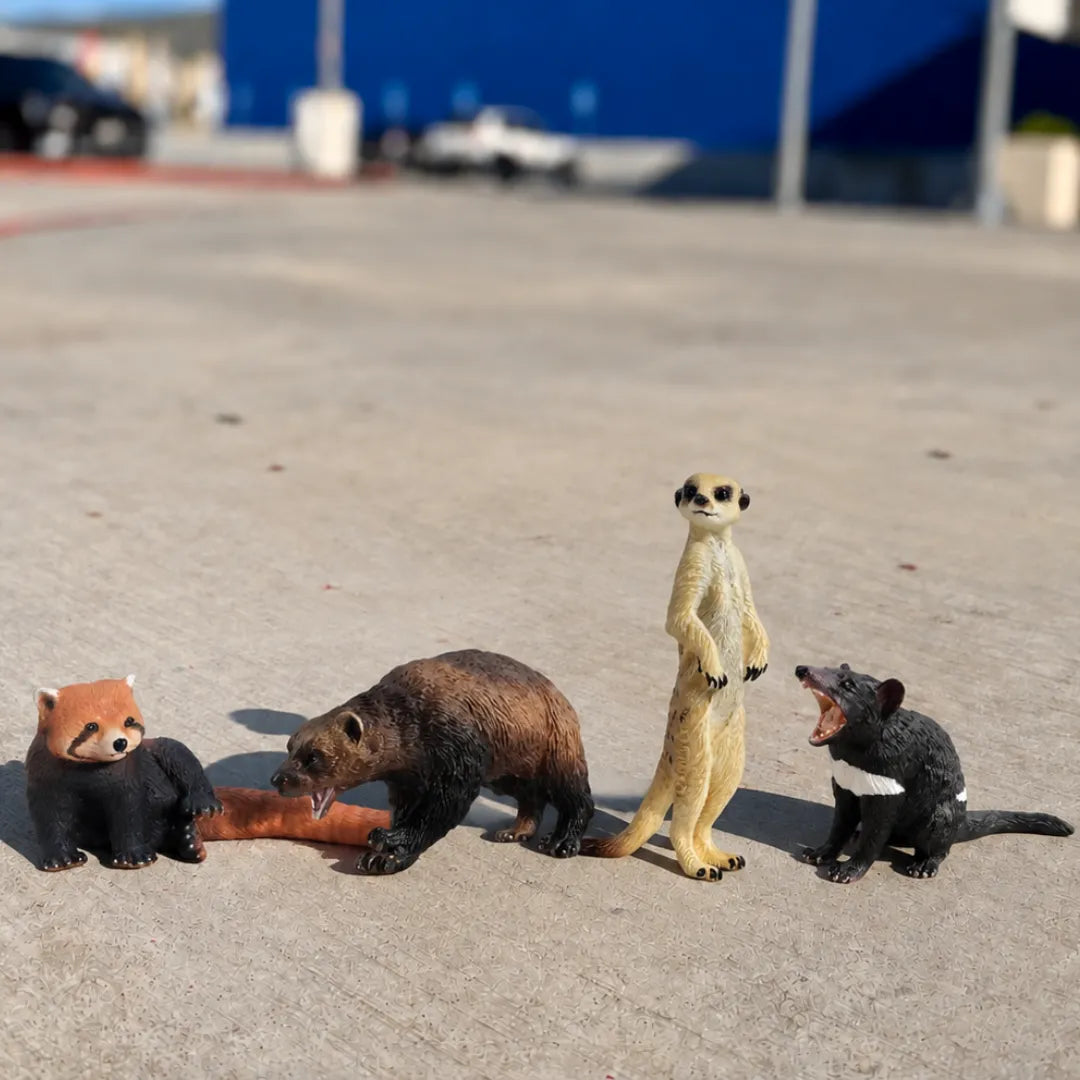
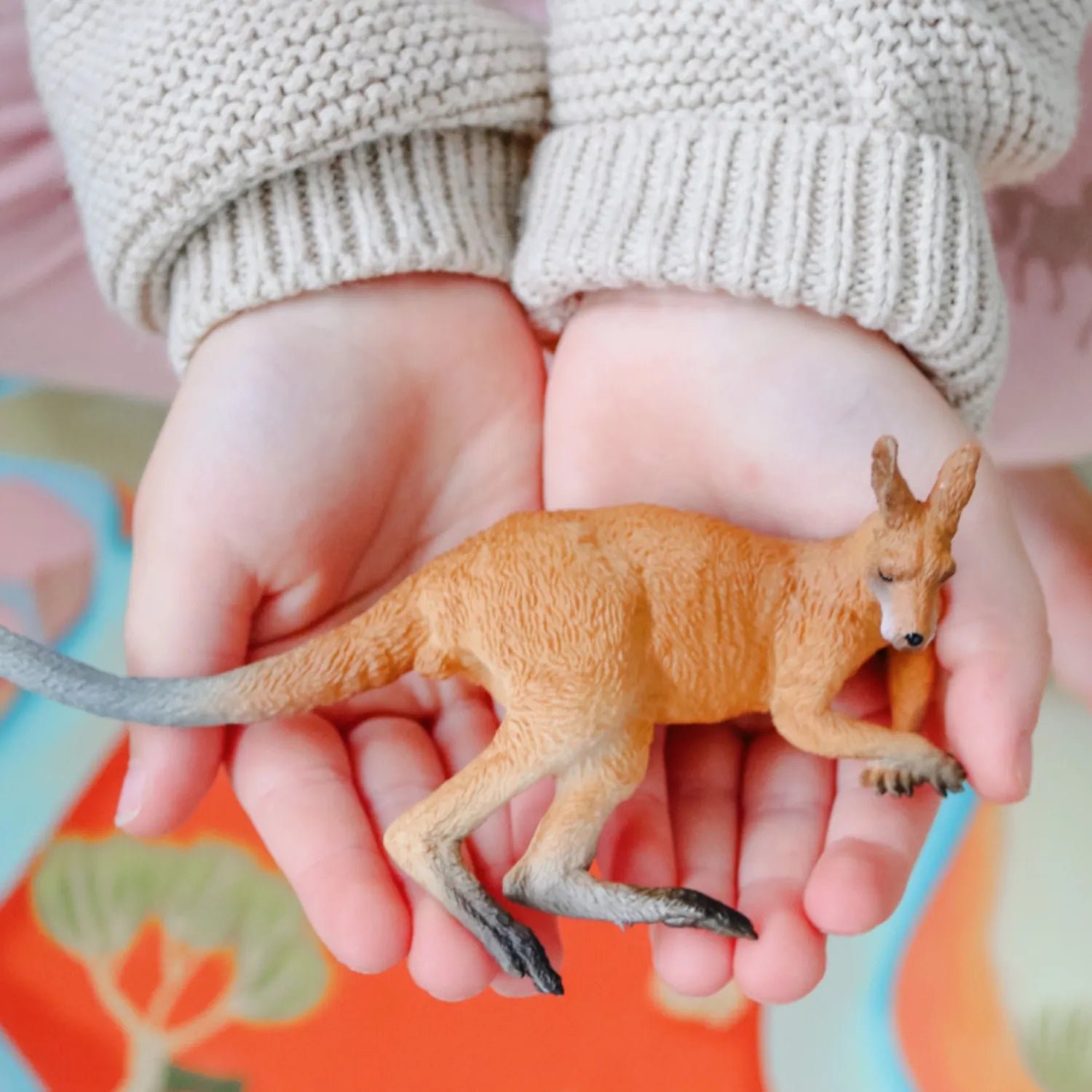
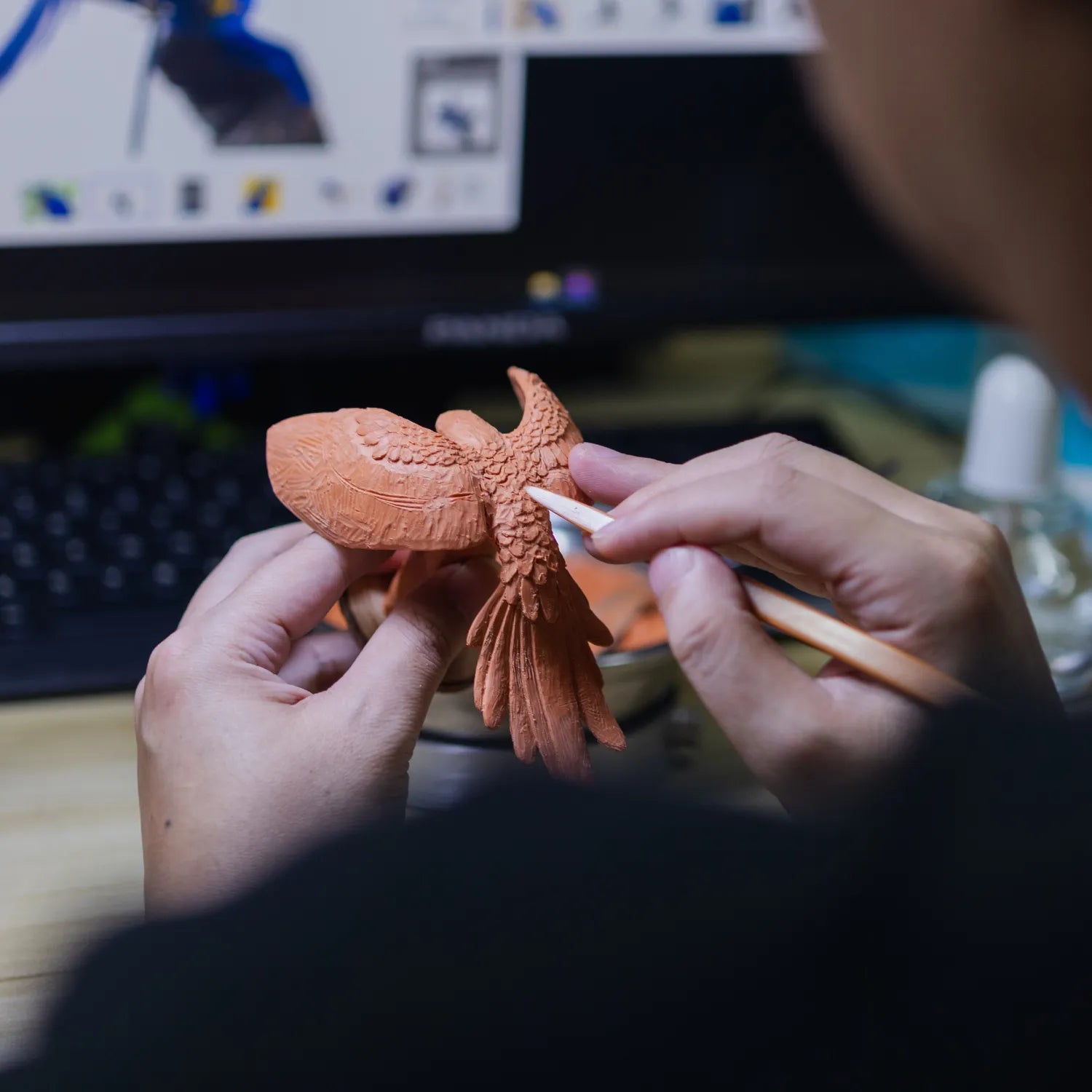
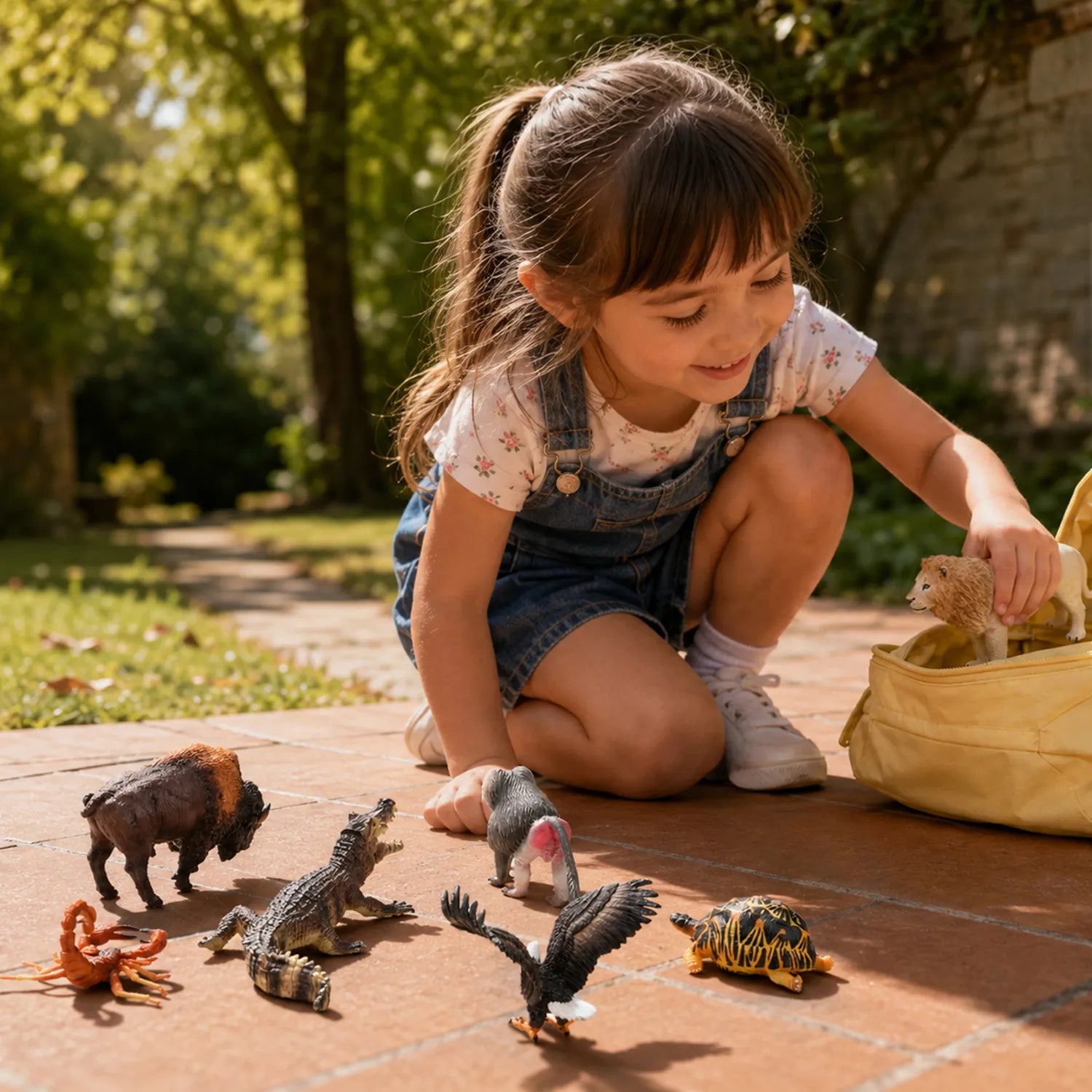
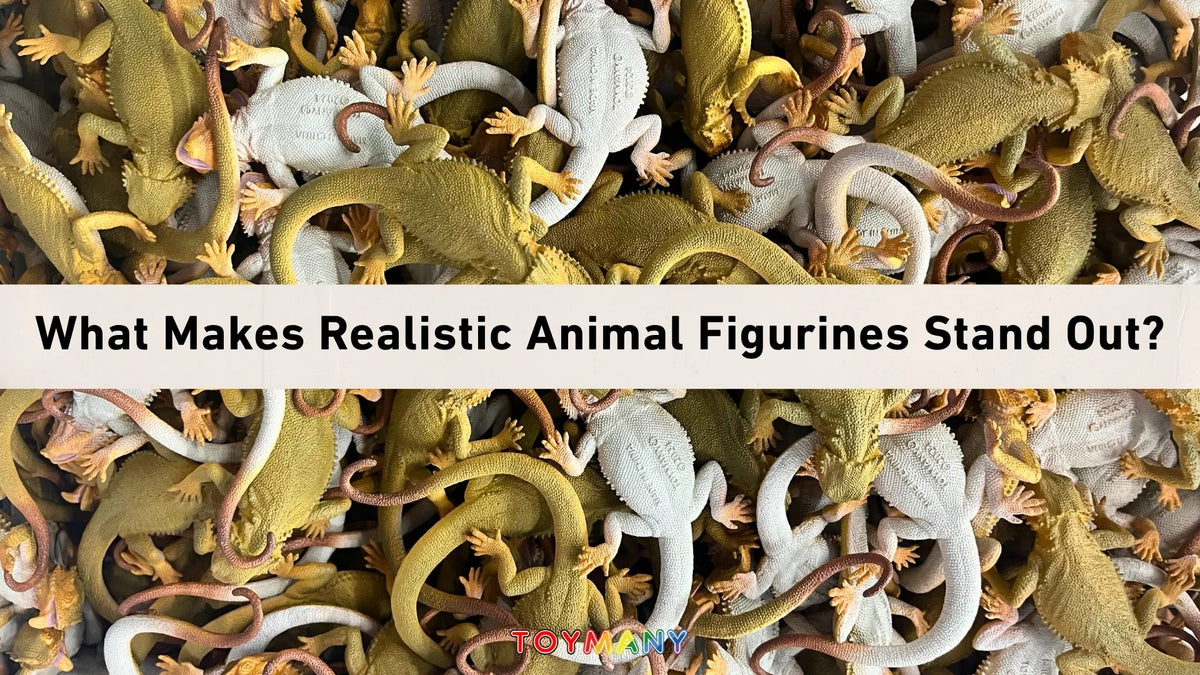
In a market filled with animal toys and collectibles, a realistic animal figurine needs more than just the shape of a species to stand out.
The most memorable figurines are created by carefully capturing the details that make each animal unique — from body proportions and natural poses to textures, colors, and distinctive features.
However, realism is not only about appearance. Thoughtful design choices can also improve how a product is recognized, displayed, and appreciated by different audiences, including collectors, educators, and retail customers.

Realistic Design Creates Product Recognition
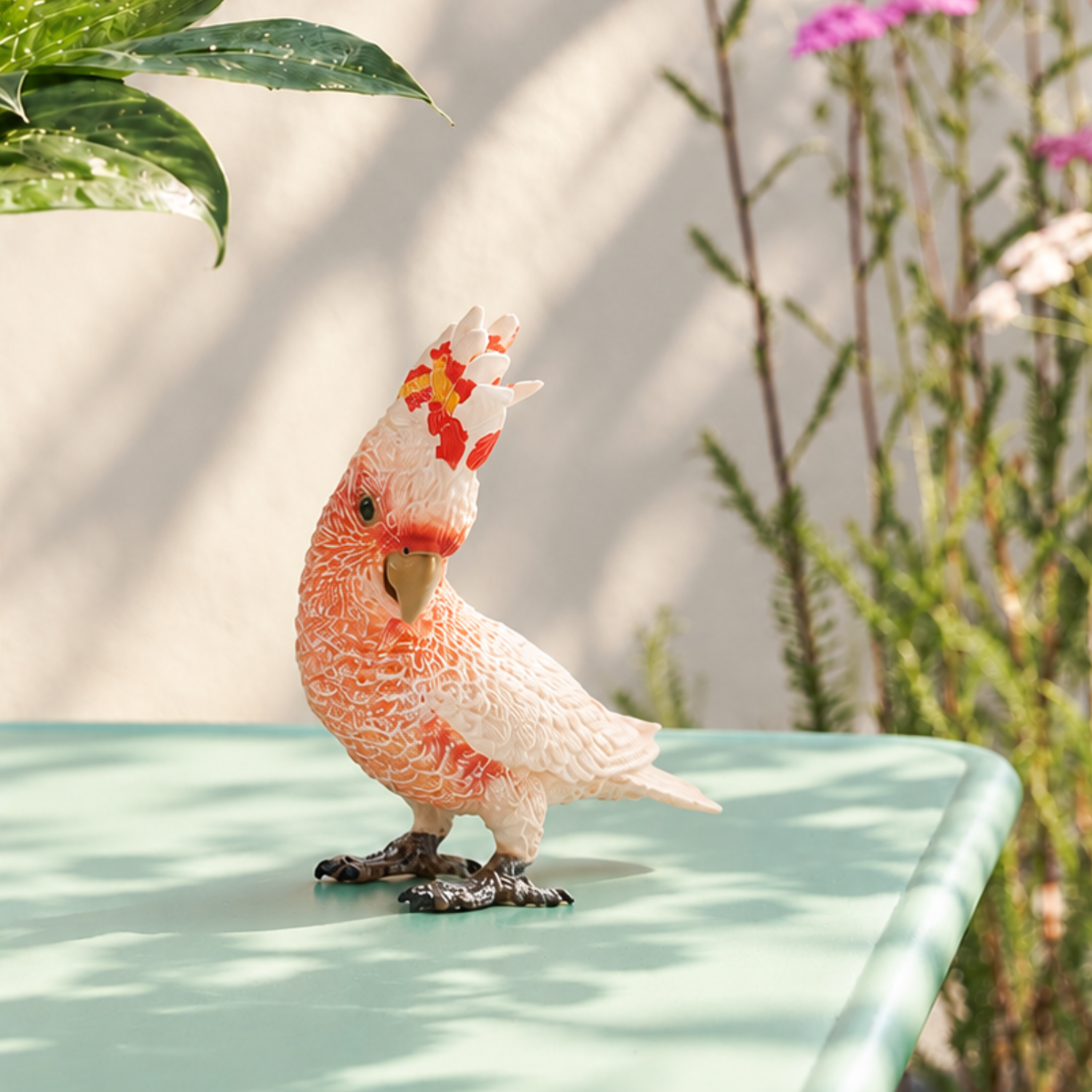
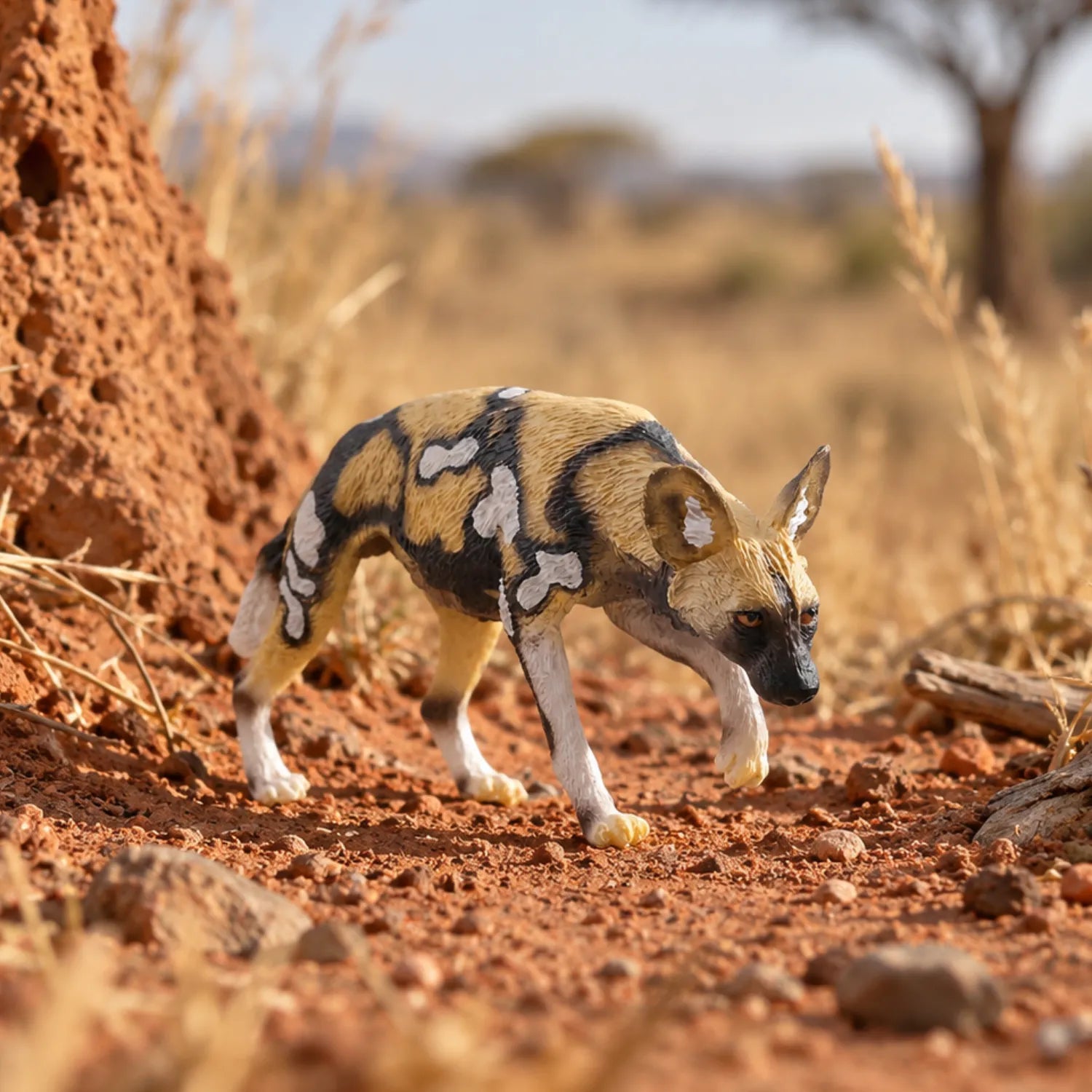
For animal figurines, realism is one of the most important factors that helps a product stand out. A realistic design allows customers to quickly recognize the species and better understand the unique characteristics that make each animal different.

Creating this level of recognition requires attention to several key details.
Accurate Animal Features
A realistic animal figurine begins with accurately representing the features that define a species.
Details such as body proportions, facial structures, markings, and unique physical characteristics help ensure that a figurine captures the identity of the real animal.
For example, the shape of a big cat’s face, the pattern of a butterfly’s wings, or the structure of an insect’s body can all influence how recognizable and authentic a model feels.
Natural Poses and Body Language
A realistic figurine is not only about what an animal looks like, but also how it behaves.
Natural poses inspired by real animal movements can make figurines appear more dynamic and lifelike. Whether an animal is resting, standing alert, or displaying a specific behavior, the posture helps communicate its characteristics.
Realistic Textures and Colors
Surface details also play an important role in creating visual realism.
Textures such as fur patterns, feather structures, scales, and skin details help reproduce the unique appearance of different species. Accurate color choices further enhance recognition and allow customers to appreciate the differences between animals.
By combining accurate features, natural poses, and realistic textures, animal figurines can become more than simple representations of animals. They can become products that are immediately recognizable and visually engaging.
Small Details Create Product Differentiation
Realistic appearance is the foundation of a successful animal figurine, but small details are often what make a product truly memorable.
In a competitive market, unique design choices can help figurines create stronger recognition and provide additional value for collectors, educators, and retail customers.
Species-Specific Details
Every animal has characteristics that make it unique. Highlighting these species-specific details helps figurines capture the identity of the real animal.
These details may include:
- distinctive body structures
- special textures or patterns
- unique physical adaptations
For example, insects often have highly specialized body features that require careful attention during design. Details such as wing structures, antenna shapes, and body textures can greatly influence how realistic and recognizable the final figurine appears.

By focusing on these unique characteristics, figurines can offer a more accurate representation of each species.
Functional Design Elements
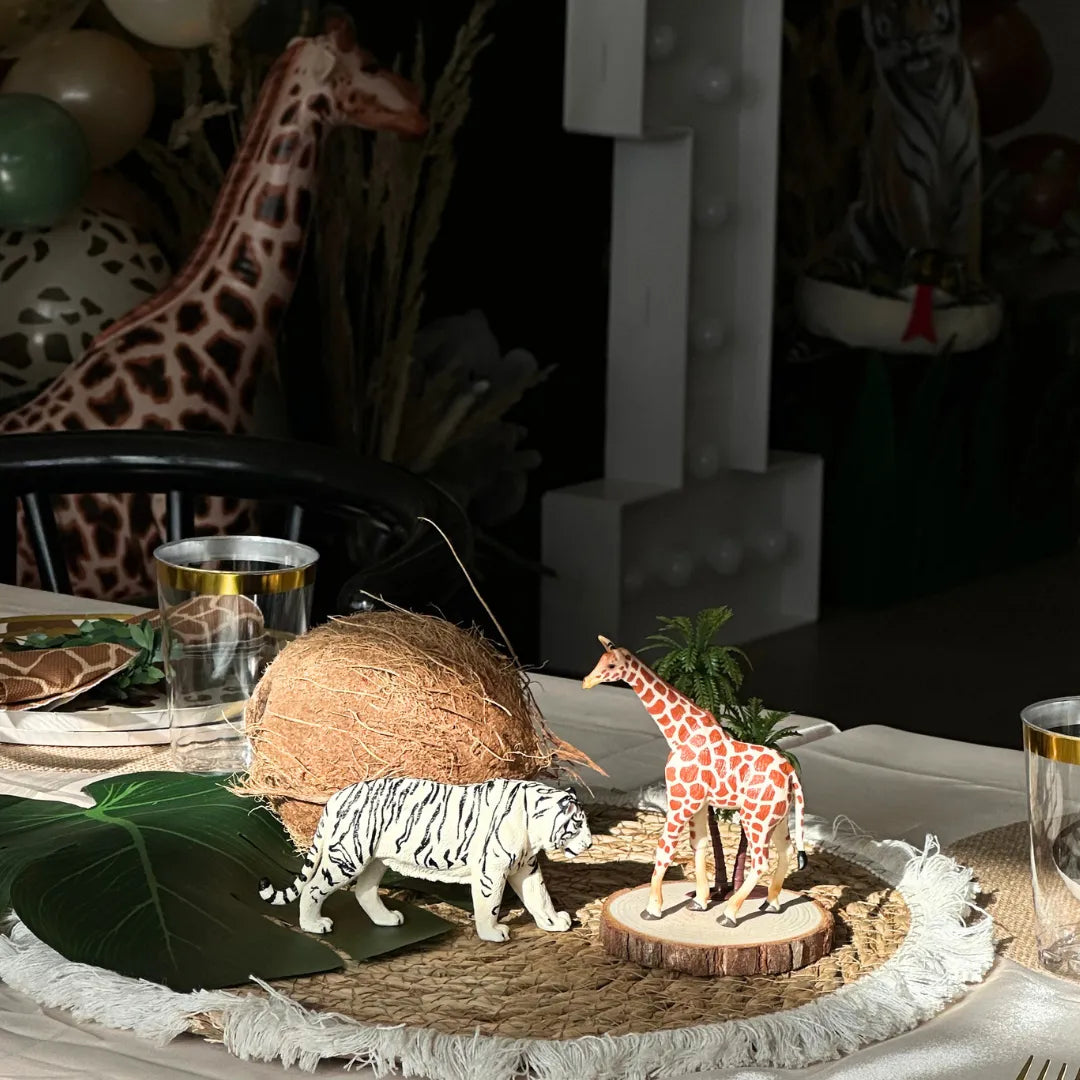
Beyond the animal itself, thoughtful product design can also enhance the overall appeal of a figurine.
Adding meaningful design elements can improve presentation while helping customers better understand the animal’s natural environment and behavior.
For example, Toymany’s dragonfly figurine features a water ripple base that reflects the insect’s connection with aquatic environments and creates a more dynamic display experience.

Another example is the primate figurine collection designed with tree trunk elements. By combining animals with their natural habitat elements, these products create a stronger visual connection between the species and its living environment.

These design choices help transform individual figurines into more engaging products with stronger display value.
Creating Strong Product Identity Through Collections
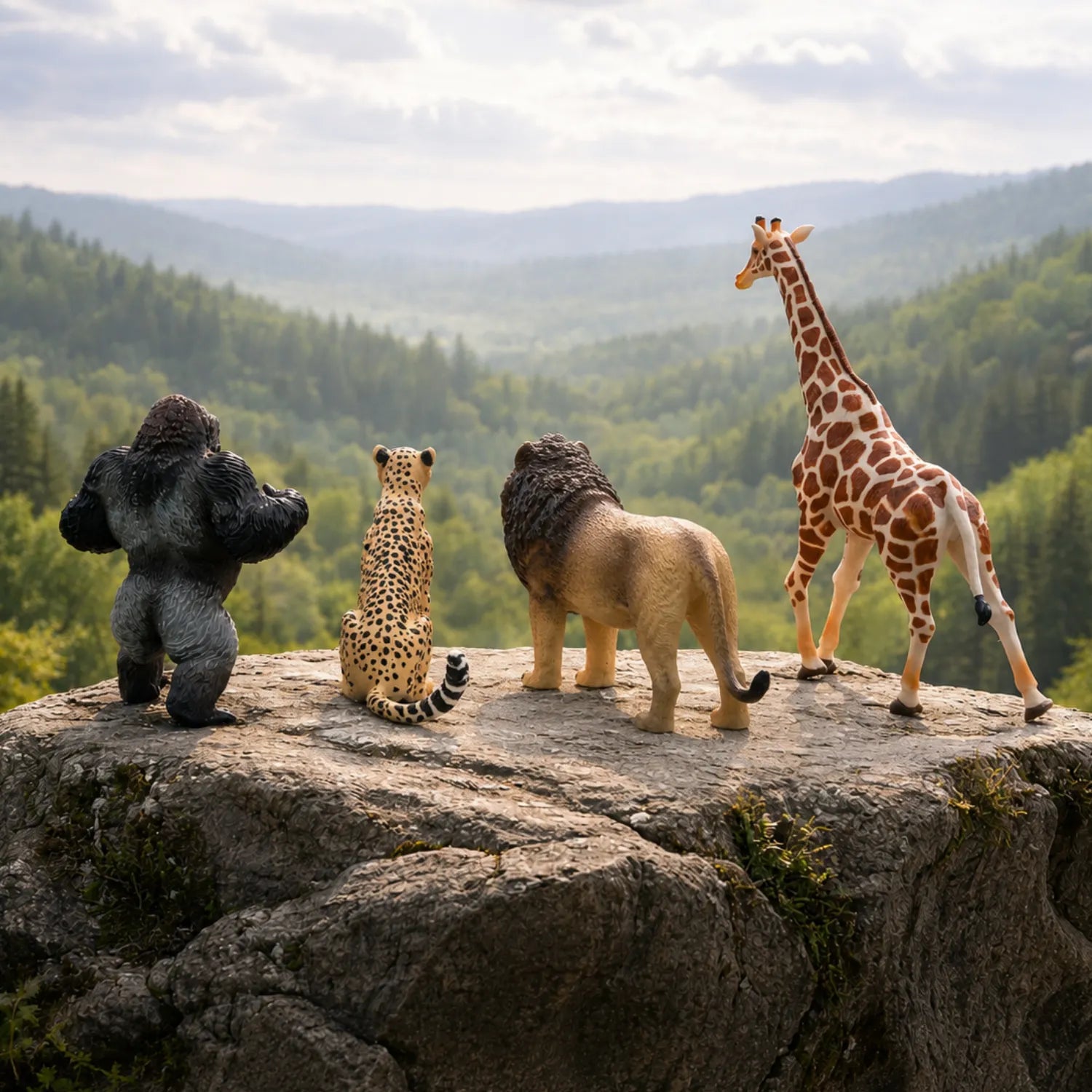
A single animal figurine can attract attention, but a well-designed collection can create a stronger and more recognizable product identity.
A successful collection is not simply a group of individual species. Each figurine should share a consistent design approach while contributing to a larger theme that customers can easily understand.
For example, Toymany’s North American Wildlife Collection brings together representative species from the same ecosystem, creating a collection that helps customers explore the diversity of woodland and grassland animals.
Similarly, the Polar Animal Collection uses a shared habitat theme to connect different species, allowing individual figurines to become part of a broader story about polar environments.
By combining realistic details with clear collection themes, animal figurines can create stronger visual identity and provide more value for collectors, educational users, and retail displays.
Designing Figurines That Meet Different Market Expectations
Different audiences may evaluate animal figurines from different perspectives.
Collectors often value realistic details and craftsmanship, while educational users focus on species recognition and learning value. For retail customers, clear themes and attractive presentation help products communicate their value more effectively.
By combining realistic design, distinctive details, and thoughtful product presentation, animal figurines can better meet the expectations of different markets.

FAQ
Q1: What makes realistic animal figurines different from ordinary animal toys?
Realistic animal figurines focus on accurate species representation, detailed features, and natural design elements.
Unlike simple animal toys that mainly emphasize play value, realistic figurines pay closer attention to proportions, textures, colors, and unique characteristics that define each species.
Q2: Why are small details important for animal figurine design?
Small details help create product recognition and differentiation.
Features such as unique textures, species-specific structures, and thoughtful design elements can make a figurine more recognizable and provide greater value for collectors, educators, and retail customers.
Q3: How do themed collections improve the appeal of animal figurines?
Themed collections allow individual figurines to become part of a larger product concept.
By connecting animals through habitats, ecosystems, or shared themes, collections can create stronger visual identity and provide customers with a more complete experience.
Q4: What should retailers consider when selecting realistic animal figurines?
Retailers should consider factors such as product quality, visual appeal, customer understanding, and how well the products fit their target audience.
Collections with clear themes and strong product identity can help create more attractive displays and offer customers easier choices.
Q5: Why do realistic animal figurines appeal to both collectors and educational users?
Realistic animal figurines combine accurate representation with learning opportunities.
Collectors appreciate the craftsmanship and species details, while educational users value the ability to explore animals and biodiversity through realistic models.


Leave a comment
All comments are moderated before being published.
This site is protected by hCaptcha and the hCaptcha Privacy Policy and Terms of Service apply.