


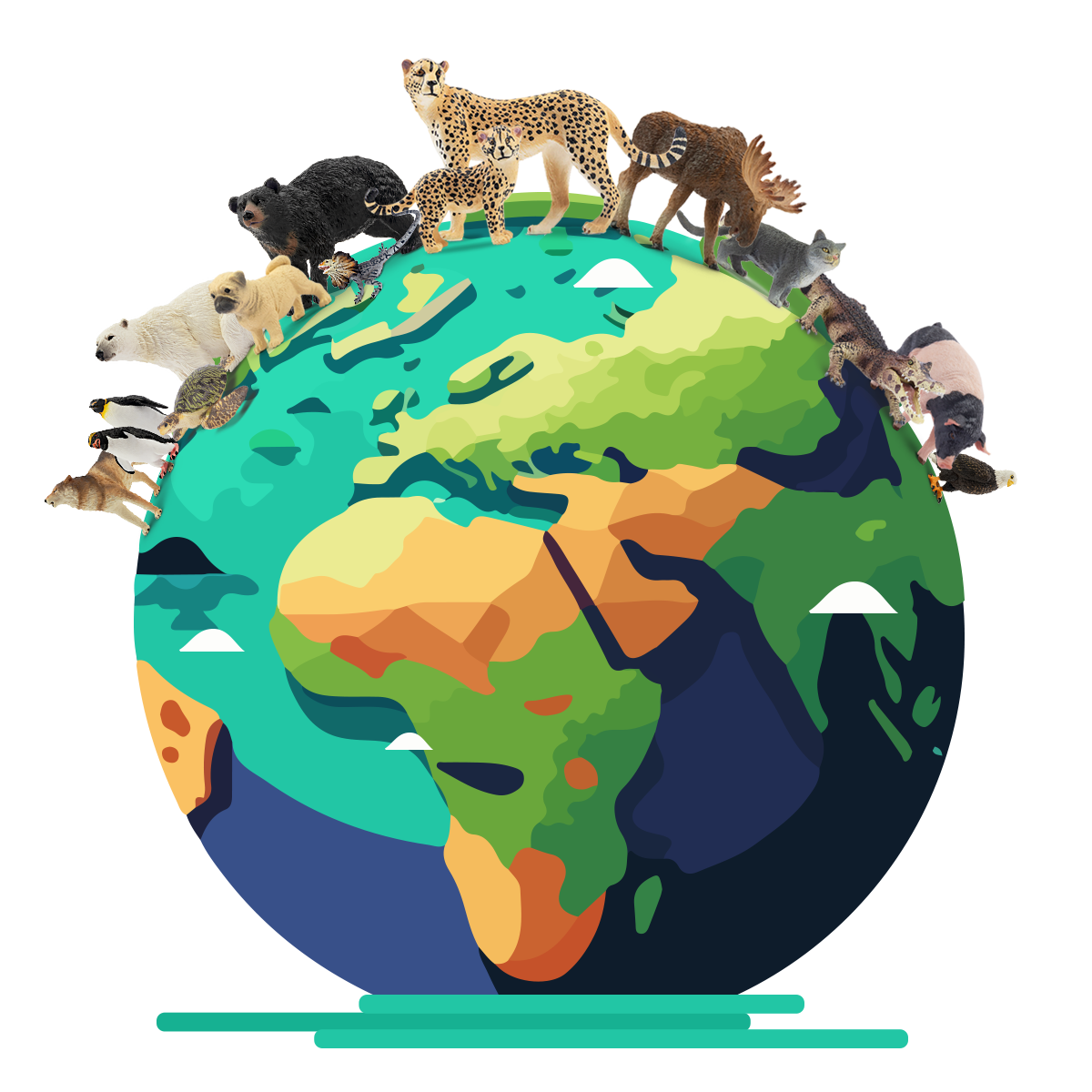

Earth Day is a wonderful time to slow down, look a little closer at the natural world, and help children see that animals need care, space, and healthy homes, too. That is why Earth Day animal activities can feel so meaningful for kids.
With Toymany animal figurines, these big ideas become easier to see, talk about, and remember.
Instead of learning about Earth Day in a distant or abstract way, children can hold an animal in their hands, imagine its habitat, and begin to understand why protecting nature matters.
Why Animal Figurines Make Earth Day Easier for Kids to Understand
For many children, Earth Day feels much more real when it begins with an animal figurine.
“Protect the planet” can sound big and distant, but “this turtle needs a clean ocean” is something a child can picture right away. That simple connection helps turn Earth Day for kids into something warm, visual, and easy to talk about.
Animal figures also open the door to bigger ideas in a natural way.
Here, animal figurines do more than decorate a shelf or fill a play tray. With lifelike forms, natural coloring, and realistic features, they help children build a clearer picture of what these animals look like and where they belong.
That visual connection makes Earth Day learning feel less abstract and much more personal.
Through these small moments, animal habitats and wildlife conservation stop feeling like difficult topics and start feeling like stories children can follow.
Fun Earth Day Animal Activities for Kids
Sort Animal Figurines by Habitat
One of the easiest ways to begin Earth Day animal activities is to sort animals by where they live.
Children can group their Toymany animal figurines into simple habitat categories such as ocean, forest, wetland, grassland, or polar regions. This playful activity helps kids notice that every animal belongs to a different kind of home, and that each habitat supports life in its own way.
Realistic figurines make this activity even more meaningful because children can connect what they see in front of them with what happens in nature.
A shark placed in water feels immediately right, or a penguin standing on a piece of “ice” quickly shows that polar animals need a very different environment from ocean animals or forest creatures.

Even simple examples like these help children build a clearer picture of animal habitats through hands-on play.
As they sort, parents or teachers can ask simple questions:
- Which animals need deep water?
- Which ones need ice, trees, or grass?
- Which animals could share the same environment, and which ones could not?
These little conversations make animal habitat activities for Earth Day feel natural, visual, and easy to enjoy. They also help children see that caring for the Earth means caring for the many different homes animals depend on.
Build a Small Earth Day Habitat Scene
After sorting animals by habitat, children can take the next step and build a simple scene for them. This is where Earth Day animal activities start to feel even more immersive.
A tray, a shallow box, or a small tabletop space can become a woodland floor, a Madagascar setting, or a North American wild landscape with just a few familiar materials.
Brown paper, leaves, bark, moss, pebbles, or small branches can quickly help shape a scene that feels close to nature.

This kind of activity naturally connects with learning through play. Children are not only naming animals now—they are thinking about where each one belongs and what makes that place feel right.
A lemur placed among branches, a deer resting near leaves and stones, or a bear standing beside a patch of “forest” helps the habitat feel more vivid and easier to understand.
It also works beautifully as a calm, hands-on activity in the spirit of Montessori-inspired learning.
Instead of rushing through a lesson, they begin to notice small details: which animals need trees, which ones need ground cover, and how different habitats support different kinds of life.
Integrating Recycling and Sorting into Earth Day Play
Once you’ve set up your animal habitat scene, you can make the experience even more meaningful by introducing an important Earth Day lesson: recycling and sorting.
To do this, gather small pieces of paper or plastic (safe, non-toxic materials) and bring them into the scene.
This simple addition lets children engage in a sorting activity where they "clean up" the habitat by picking out the waste from the environment.
For example, you might place a small plastic piece in the water for a wetland scene or some paper in the trees for a forest habitat. Ask the child, "What would happen to the animals if we don't clean up this trash?"
These small moments introduce the concept of pollution in a way that feels personal, showing how waste can affect animals and their habitats.

By using the sorting activity, children can begin to understand the impact of pollution while learning to distinguish between what belongs in nature and what doesn’t.
It’s a fun and hands-on way to build Earth Day animal activities that also encourage responsibility for our planet's future.
What Does This Animal Need?
Once the habitat scene is in place, children can start thinking more carefully about what each animal needs to live well.
This is one of the most meaningful fun Earth Day animal activities for kids, because it helps children see that animals do not just live on Earth—they depend on it in very specific ways.
They need clean water, safe shelter, food, space, and a habitat that stays healthy over time.

This activity works especially well with animal figurines because their lifelike forms help children imagine real animals in real environments.
As they place, move, and compare each figure, it becomes easier to think not only about where an animal belongs, but also what could happen if that habitat begins to change. When those things disappear, animals can face stress, danger, or even a decline in numbers.
That is where the Earth Day message begins to feel more personal. Parents and teachers can ask simple questions:
- What helps this animal stay safe?
- What happens if the trees are gone?
- What if the water is dirty?
- Why are some animals becoming harder to protect?
In these quiet conversations, animal habitats and wildlife conservation become easier to understand, and children begin to see Earth Day as a time to care not only about the planet itself, but also about the living things that call it home.
A Small Activity Can Spark a Bigger Earth Day Lesson
Even simple Earth Day animal activities can lead to much bigger ideas.
A child sorting animals by habitat, building a small woodland scene, or thinking about what a lemur or deer needs is already beginning to connect play with care.
That is where Toymany animal figurines fit in so naturally. Their lifelike forms, realistic details, and familiar animal variety help children imagine real habitats more clearly and make each Earth Day conversation feel more vivid, hands-on, and meaningful.
What begins as play can gently grow into a better understanding of nature, animal needs, and why protecting the Earth matters.
Earth Day does not have to start with a big lesson to leave a lasting impression.
These moments may look small, but they help children see that the Earth is not only our home—it is home to countless animals too.
With Toymany animal figurines, Earth Day can feel more alive, more personal, and easier for children to understand through play.


Leave a comment
All comments are moderated before being published.
This site is protected by hCaptcha and the hCaptcha Privacy Policy and Terms of Service apply.