
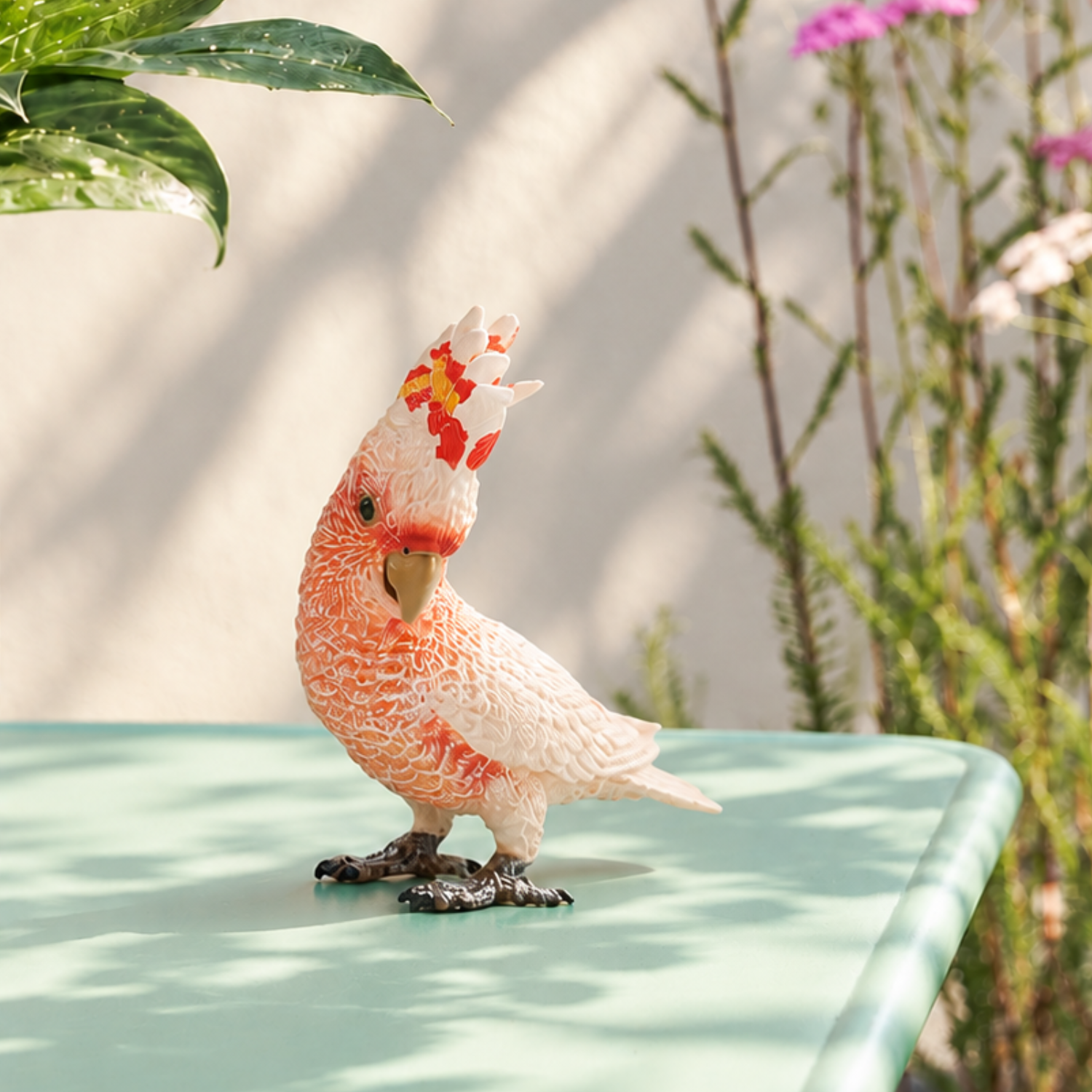
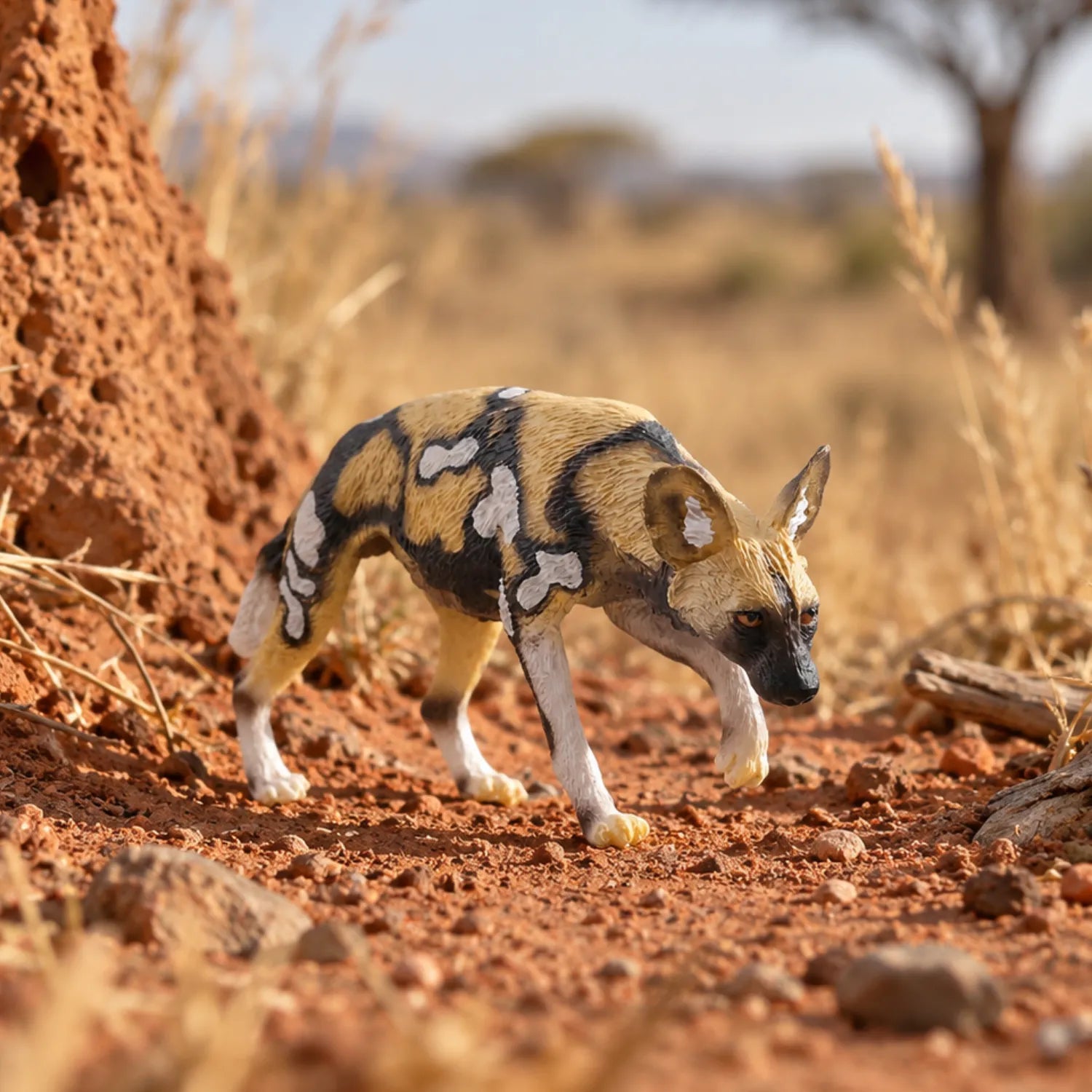
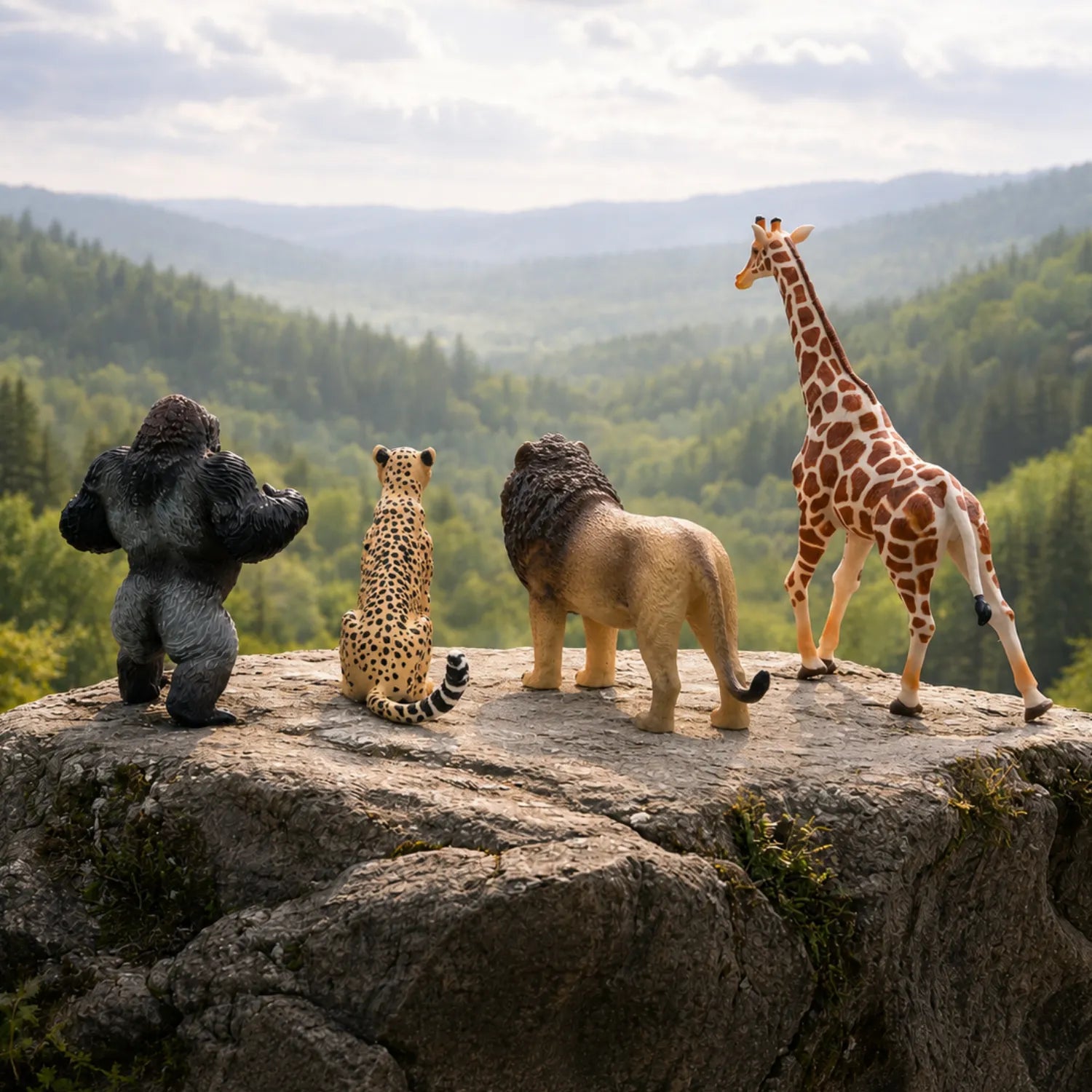
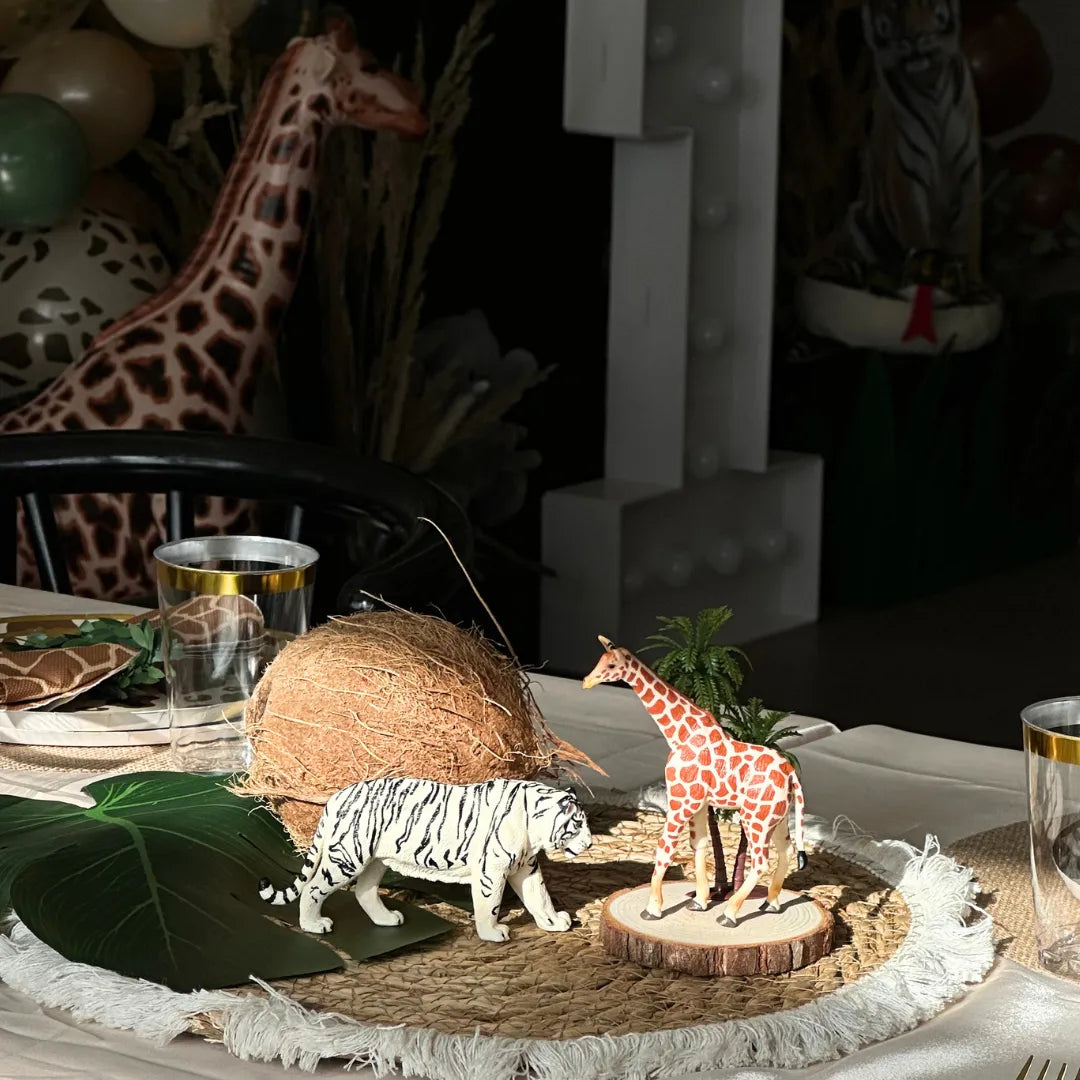
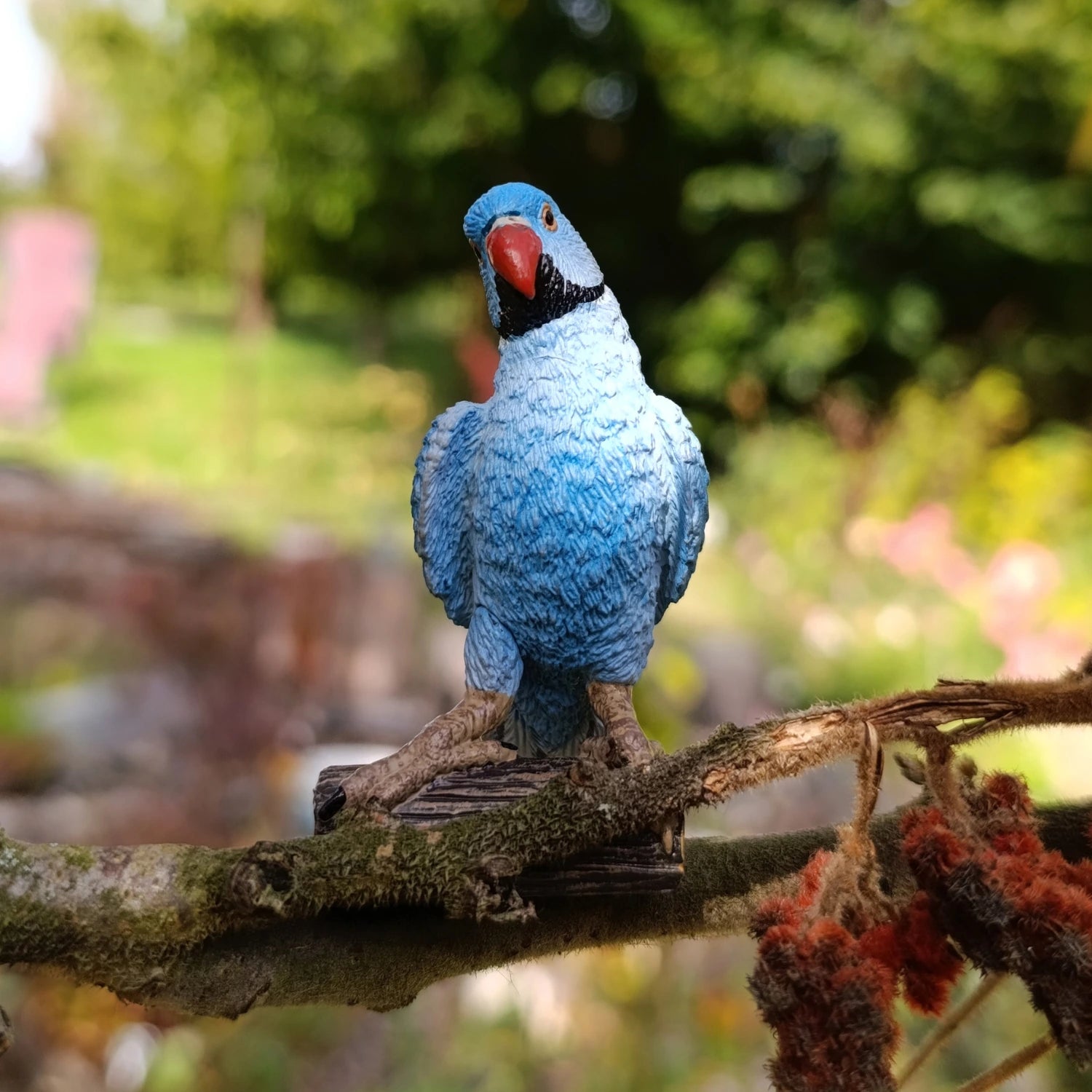
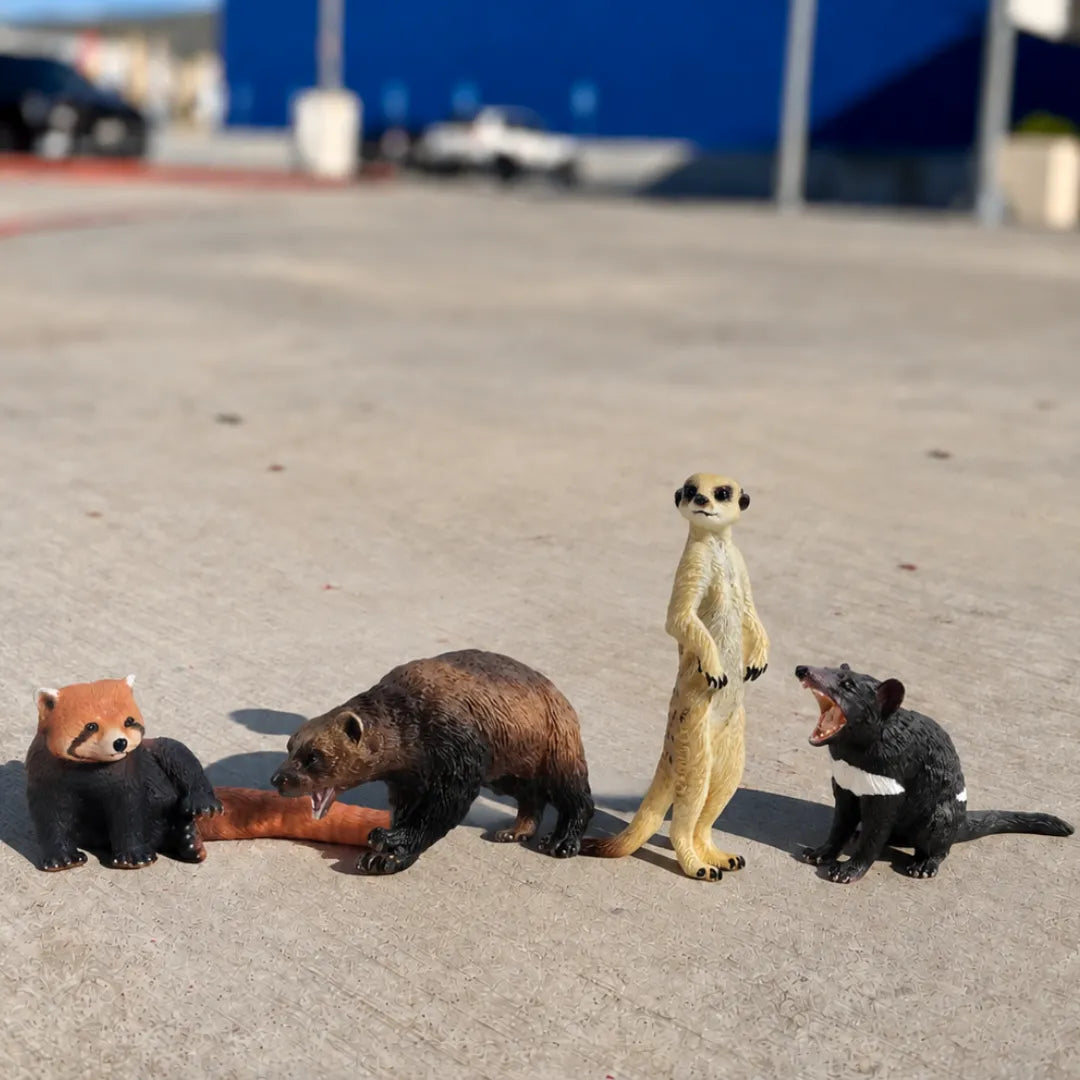
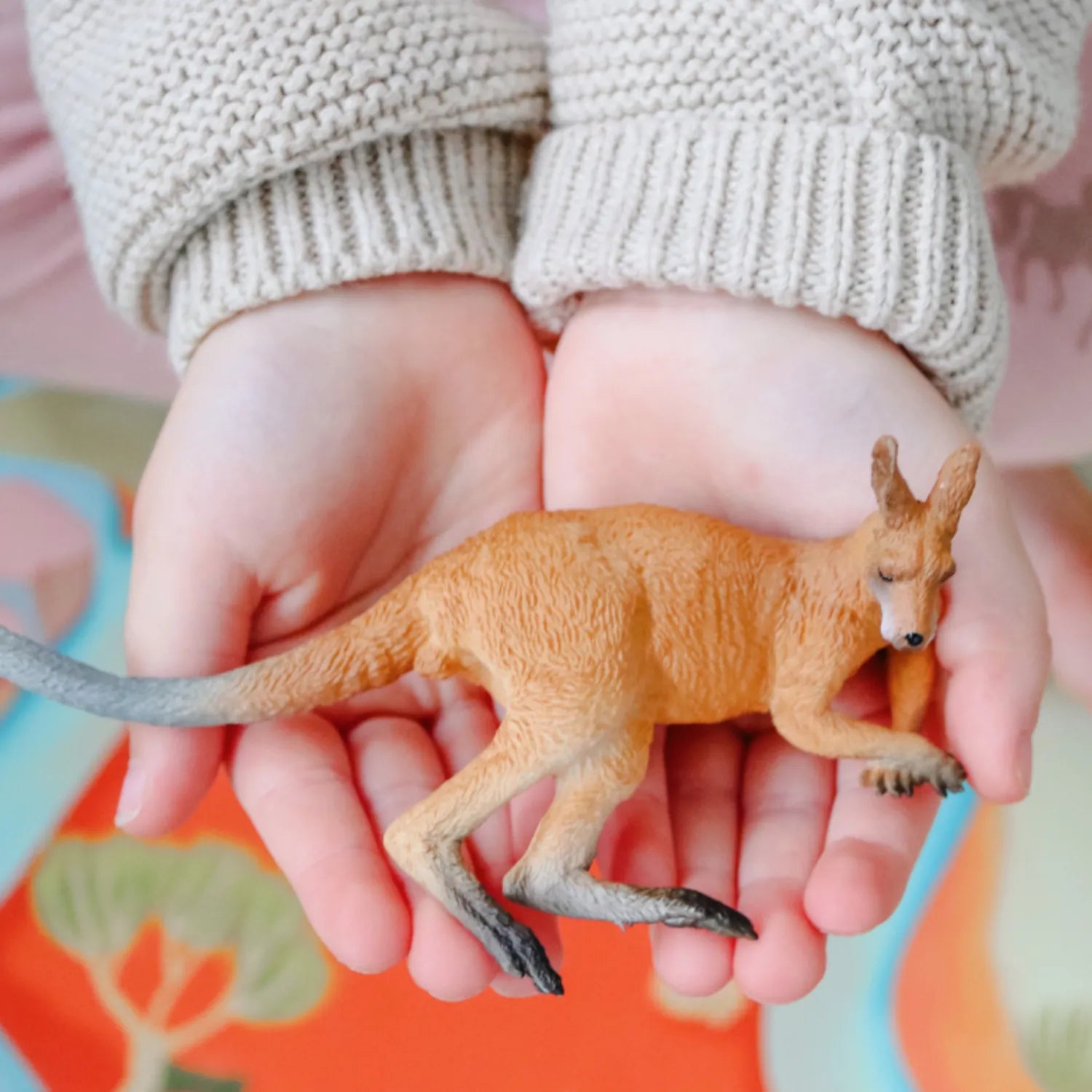
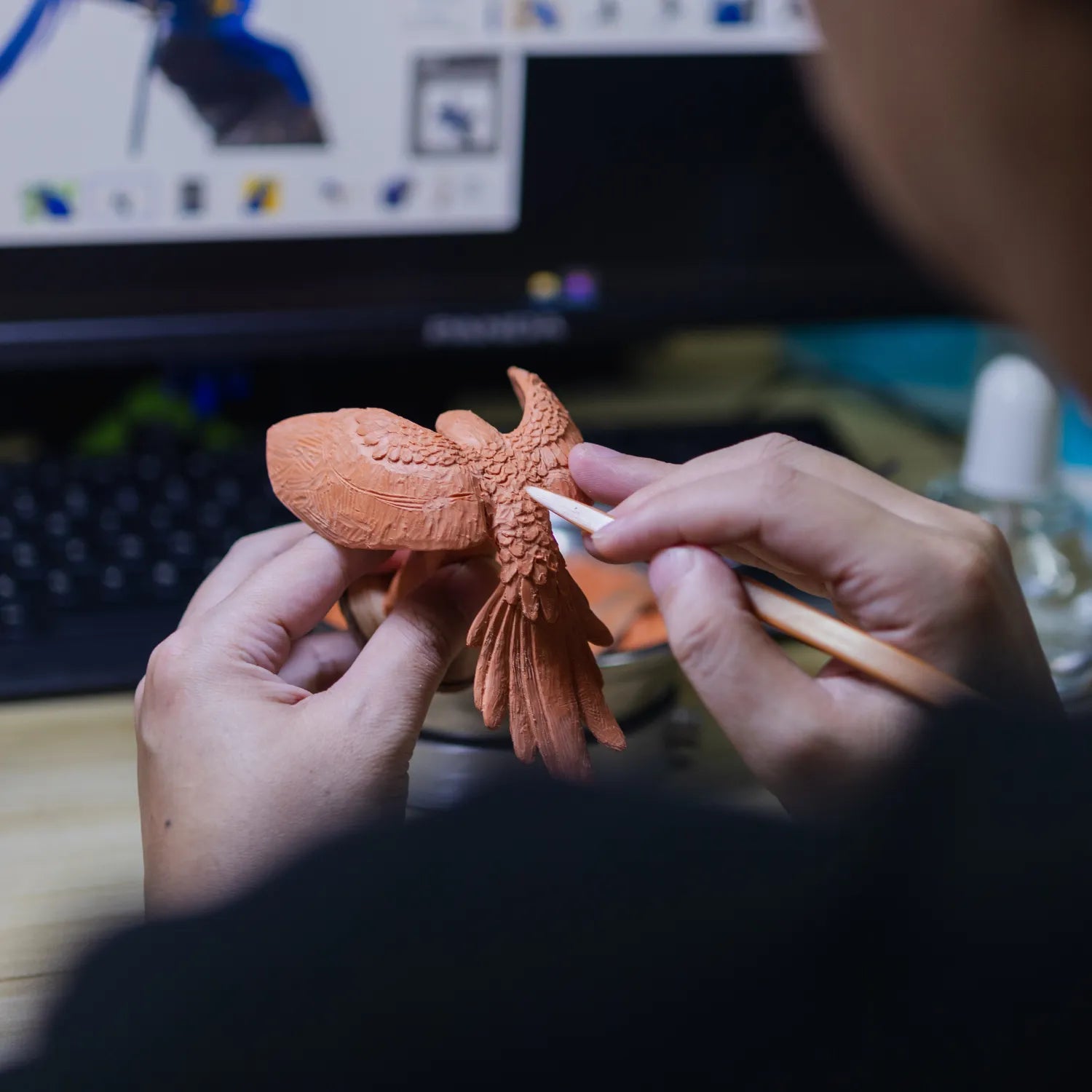
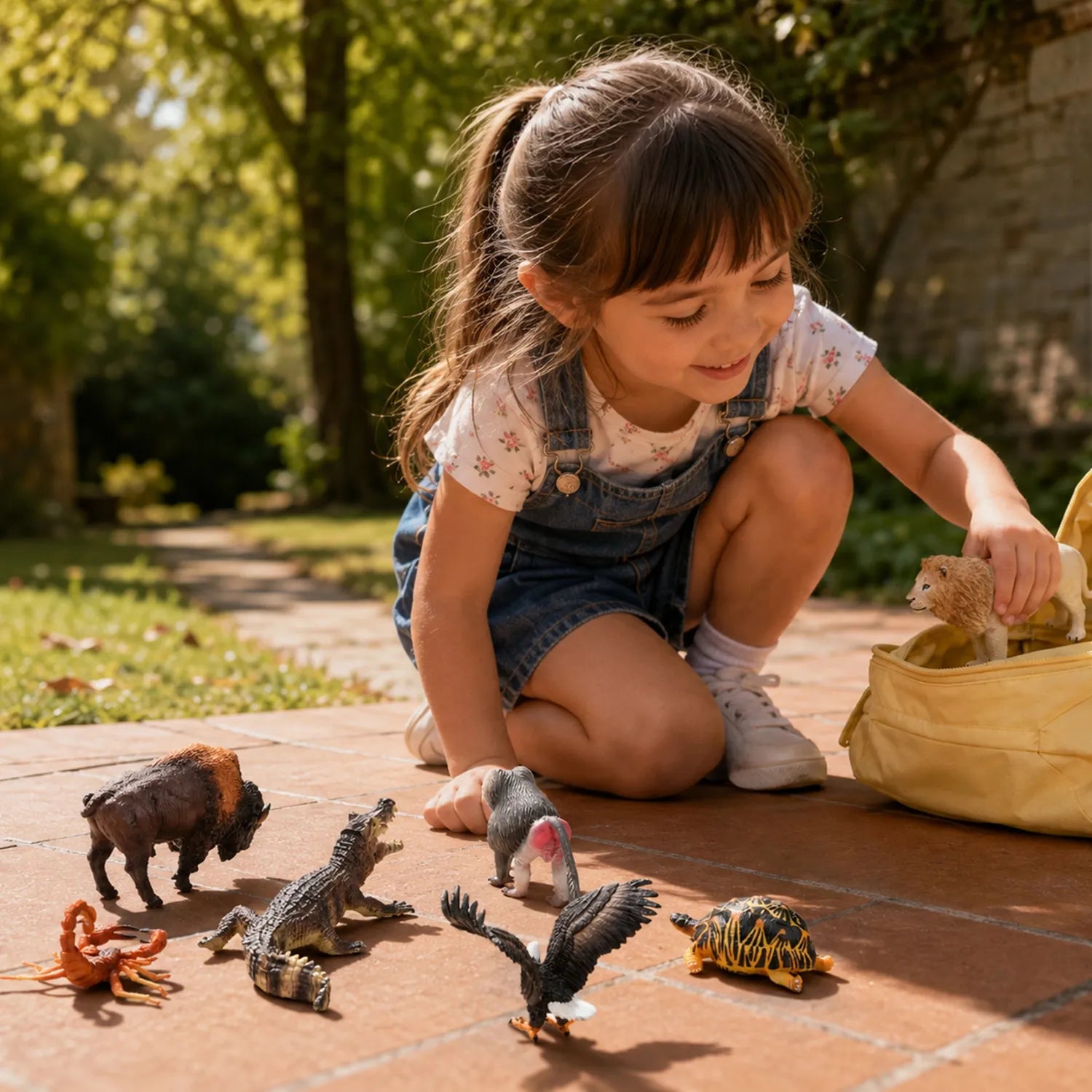
Choosing the right animal figurines for a business involves more than selecting popular animals. Different markets have different customer expectations, purchasing motivations, and product requirements.
Understanding these differences can help businesses choose the right products, create better assortments, and better understand how animal figurines are developed for different market needs.
At Toymany, we develop animal figurines designed for various market applications, combining realistic design, educational value, and collection appeal to support different customer needs.
Understanding Different Markets for Animal Figurines
Animal figurines can serve a wide range of markets, but each market has different expectations when selecting products.
Understanding these differences helps businesses choose the right products, create better assortments, and provide customers with more suitable experiences.
Educational Market: Supporting Learning Through Realistic Models
Educational markets often use animal figurines as tools for exploring wildlife, biology, and natural science.
For schools, teachers, museums, and educational suppliers, important product considerations include:
- accurate species representation
- clear visual differences between animals
- opportunities for hands-on learning
Animal figurines with realistic details and diverse species can help learners better understand animal characteristics, habitats, and biodiversity.
Collections focused on themes such as insects, marine animals, or polar wildlife can provide structured learning opportunities by connecting multiple species within a broader topic.

Collector Market: Focusing on Accuracy and Collection Value
Collectors often look for products that offer more than basic animal representations, especially when exploring species diversity and natural history themes.
Important factors may include:
- realistic appearance
- species accuracy
- craftsmanship details
- unique or less commonly represented animals
For collectors, individual figurines can become part of a larger collection that represents different animal groups, habitats, or themes.
Well-designed collections allow collectors to gradually expand their displays while exploring more species.

Retail & Gift Market: Creating Easy-to-Understand Product Appeal
Retail customers often make purchasing decisions quickly, so products need to communicate their value clearly.
For retailers and gift shops, important considerations include:
- recognizable animals
- attractive presentation
- clear product themes
- suitability for different customer groups
Popular animal categories, themed collections, and visually engaging displays can help customers quickly understand the product and make confident choices.

By understanding the different needs of educational, collector, and retail markets, businesses can create more effective animal figurine selections and choose products that better match their target customers.
Choosing Animal Figurines Based on Customer Needs
Selecting the right animal figurines starts with understanding what customers expect from the product.
Different customers may look for different experiences. Some may want products that support learning and exploration, while others may value collection, display, or flexible purchasing options.
By understanding these needs, businesses can choose the right product formats and build assortments that better match their target markets.
Theme-Based Collections for Learning and Exploration
For educational markets and family-oriented customers, products that provide a complete theme or learning experience can create stronger value.
These collections are usually built around clear concepts, such as:
- habitats and regions
- animal groups
- family relationships
- educational topics
For example, polar wildlife collections, North American animal collections, and animal family collections allow users to explore related species within a broader theme.

These products can also support different learning purposes, such as:
- species recognition
- STEM learning
- size and pose comparison
By providing a complete learning experience, these collections are easier for customers to understand and use.
Themed Animal Collections for Collecting and Display
For collectors and specialty retailers, themed collections can provide stronger display value and encourage long-term collecting.
These collections usually focus on a shared theme, including:
- geographic regions
- habitats
- animal categories
- species groups
The goal is not only to provide individual figurines, but also to create a visually connected collection.
Examples include:
A well-designed collection allows customers to expand their displays while maintaining a consistent theme and visual identity.
Curated Product Bundles for Flexible Purchasing
For retailers looking for flexible purchasing options, curated product bundles can provide convenient selections and stronger product value.
These bundles combine existing products into a ready-to-offer assortment, making them suitable for:
- seasonal promotions
- beginner collections
- gift occasions
- price-focused campaigns
Unlike themed collections, these product bundles focus more on purchasing convenience and value rather than creating a completely new product concept.

Choosing the Right Product Format for Different Customer Needs
| Customer Need | Recommended Product Type | Key Features | Suitable Markets |
|---|---|---|---|
| Learning & Exploration | Theme-Based Collections | Clear themes, educational purposes, species relationships, habitat concepts | Schools, educators, museums, family markets |
| Collection & Display | Themed Animal Collections | Consistent themes, realistic details, expandable collections | Collectors, specialty stores, hobby retailers |
| Flexible Purchasing | Curated Product Bundles | Existing product combinations, convenient selection, value-focused options | Retail promotions, gift shops, seasonal campaigns |
Building a Balanced Animal Figurine Assortment
When building an animal figurine product line, businesses often need more than a single product type.
A balanced assortment can help businesses attract new customers, create product differentiation, and build a stronger animal figurine product line.
A strong product mix usually combines three types of products:
-
Recognizable Products for Customer Attraction
Popular and familiar animals often serve as an important entry point for customers because they are easy to understand and immediately recognizable.
These products can help retailers attract a broader audience, especially first-time buyers who are looking for familiar animals.
For example, widely recognized species such as lions, pandas, elephants, and tigers often have strong visual appeal and can help establish a product line that is approachable for different customer groups. -
Unique Products for Market Differentiation
While popular animals can attract attention, unique species help businesses create a more distinctive product selection.
Less commonly represented animals, such as insects, reptiles, and unusual wildlife species, can provide opportunities for customers to discover something new and help retailers differentiate their product offerings from standard animal toy categories.
For example, insect collections, reptile figurines, and unique wildlife species can appeal to customers who are interested in nature exploration, education, or specialized collecting. -
Collection Products for Long-Term Growth
Theme-based collections can help businesses build a more complete product line and encourage customers to continue exploring related products.
Collections organized around habitats, regions, or animal groups allow individual figurines to become part of a larger concept.
For example, Polar Animals, North American Wildlife, and Marine Animal collections connect multiple species through a shared theme, creating stronger display opportunities and encouraging customers to expand their collections over time.
FAQ
Q1: What markets are animal figurines suitable for?
Animal figurines can serve multiple markets, including educational suppliers, collectors, specialty retailers, gift shops, and general retail channels.
Different markets may prioritize different product features, such as educational value, realistic details, collection potential, or visual appeal.
Q2: How should businesses choose animal figurines for their customers?
Businesses should consider their target customers, purchasing motivations, and sales environment.
Products with recognizable animals may work well for broad audiences, while unique species and themed collections can help create differentiation and attract specific customer groups.
Q3: Are themed animal figurine collections better than individual figures?
Neither option is universally better. Individual figures can provide flexibility and attract customers interested in specific animals, while themed collections can create stronger displays and encourage customers to explore related products.
The best choice depends on the target market and product strategy.
Q4: How can retailers build a successful animal figurine product line?
A strong product line usually combines familiar animals, unique species, and themed collections.
This balance helps retailers attract different customer groups while creating a product assortment with broader appeal and long-term potential.

Leave a comment
All comments are moderated before being published.
This site is protected by hCaptcha and the hCaptcha Privacy Policy and Terms of Service apply.