

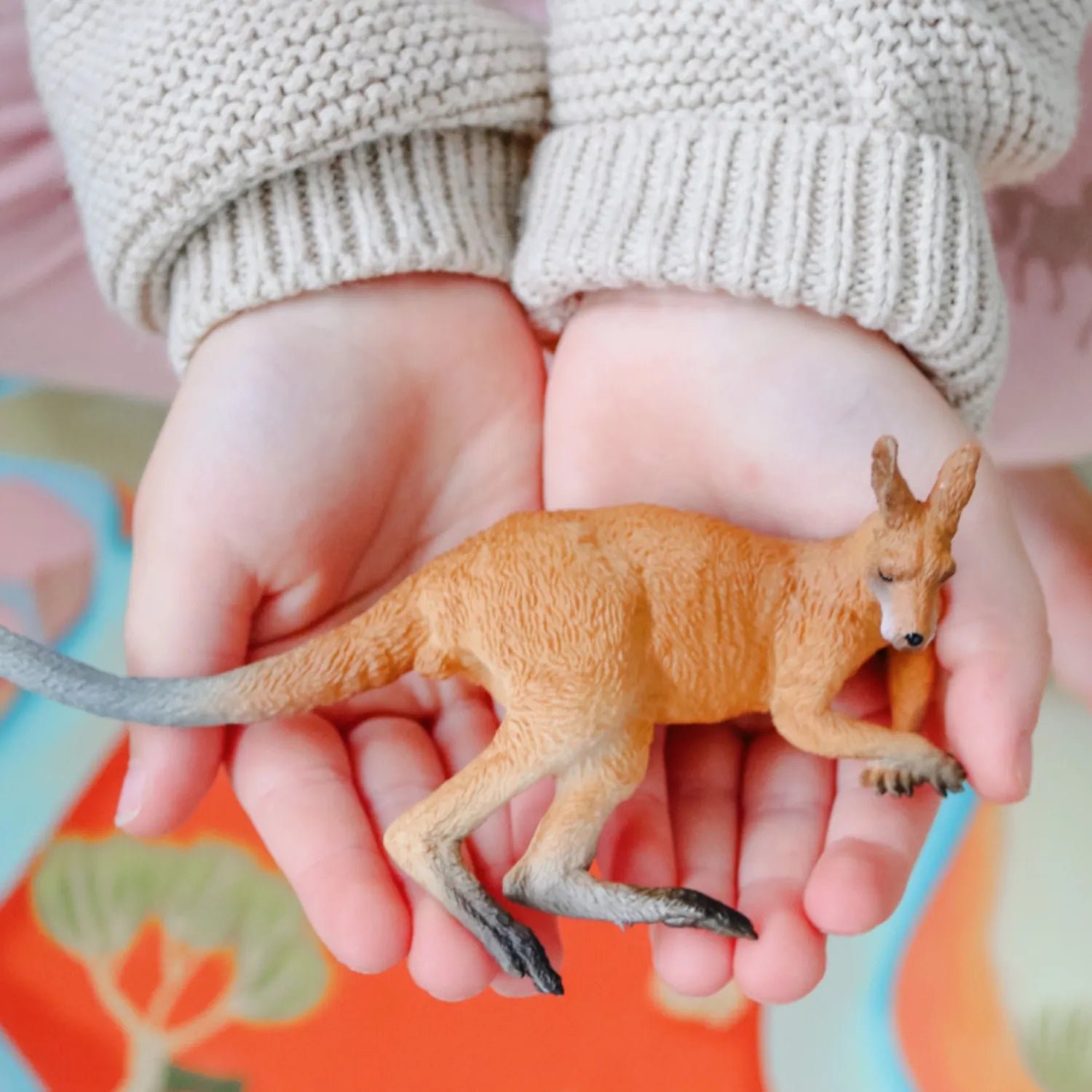
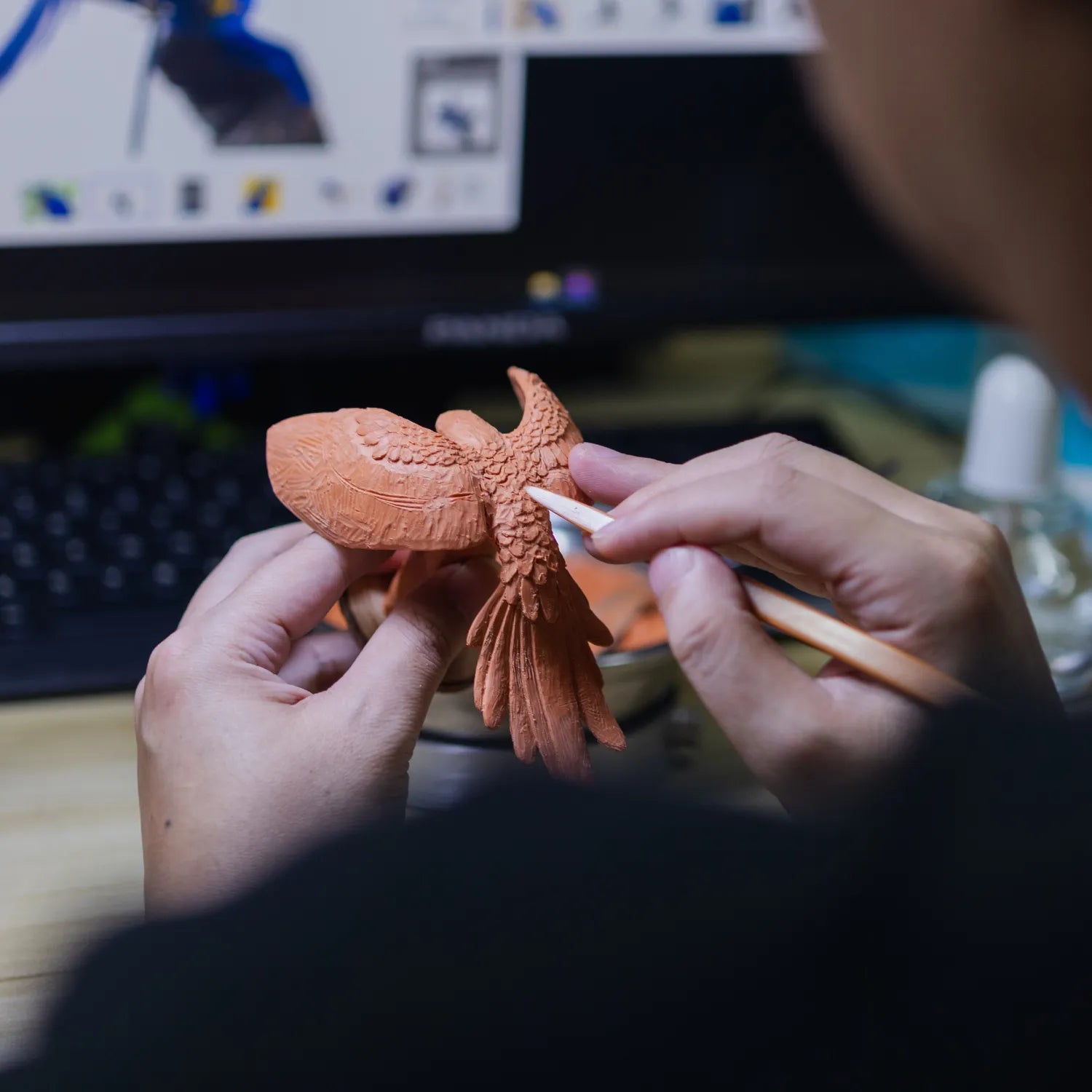
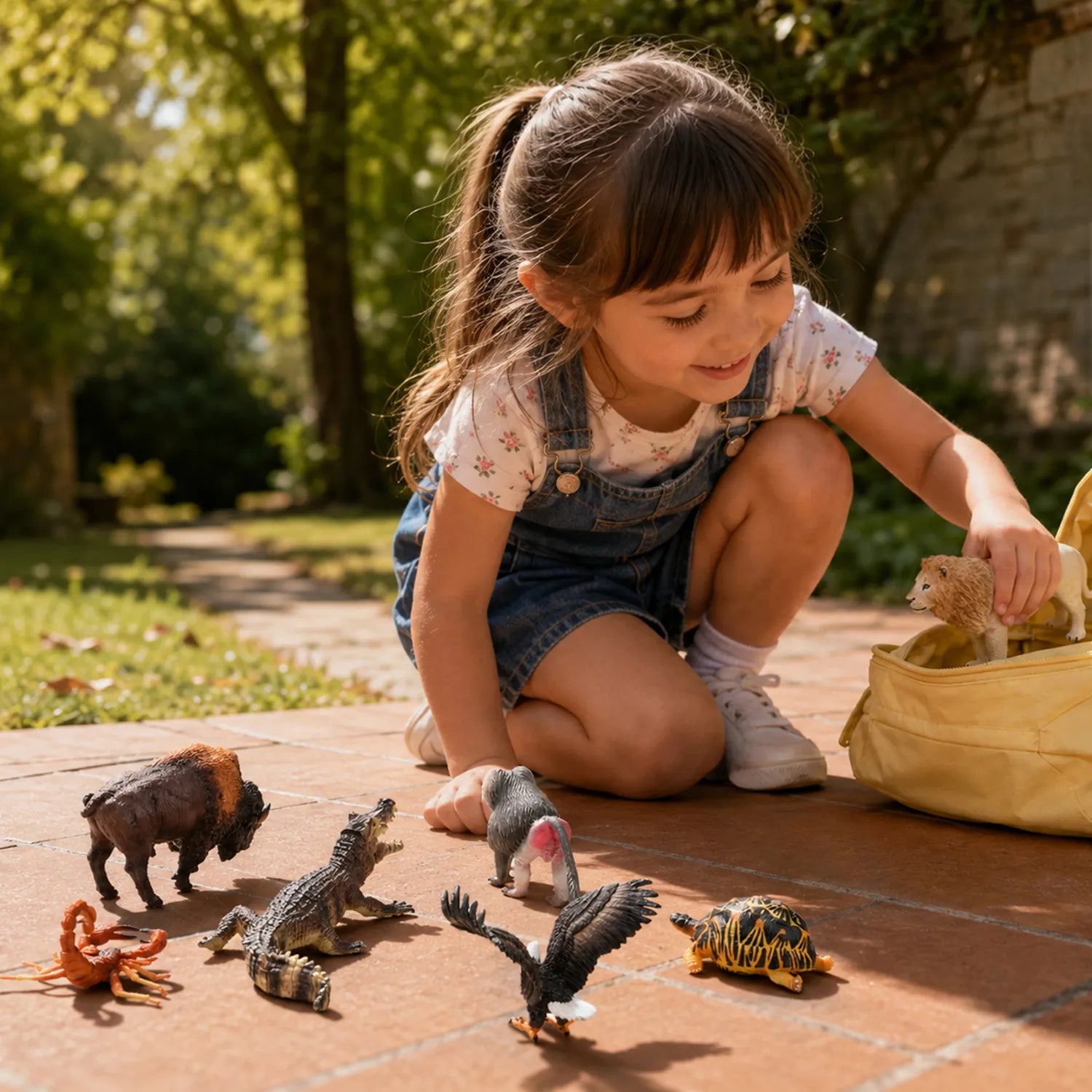
Creating a successful animal figurine requires more than accurate design and reliable manufacturing.
Before development begins, important decisions need to be made — including which species to create, which characteristics to highlight, and how the product can connect with different audiences.
A well-developed animal figurine should balance realism, educational value, collector appeal, and market needs. The goal is not simply to create more products, but to develop figurines that provide meaningful value for customers, retailers, and collectors.
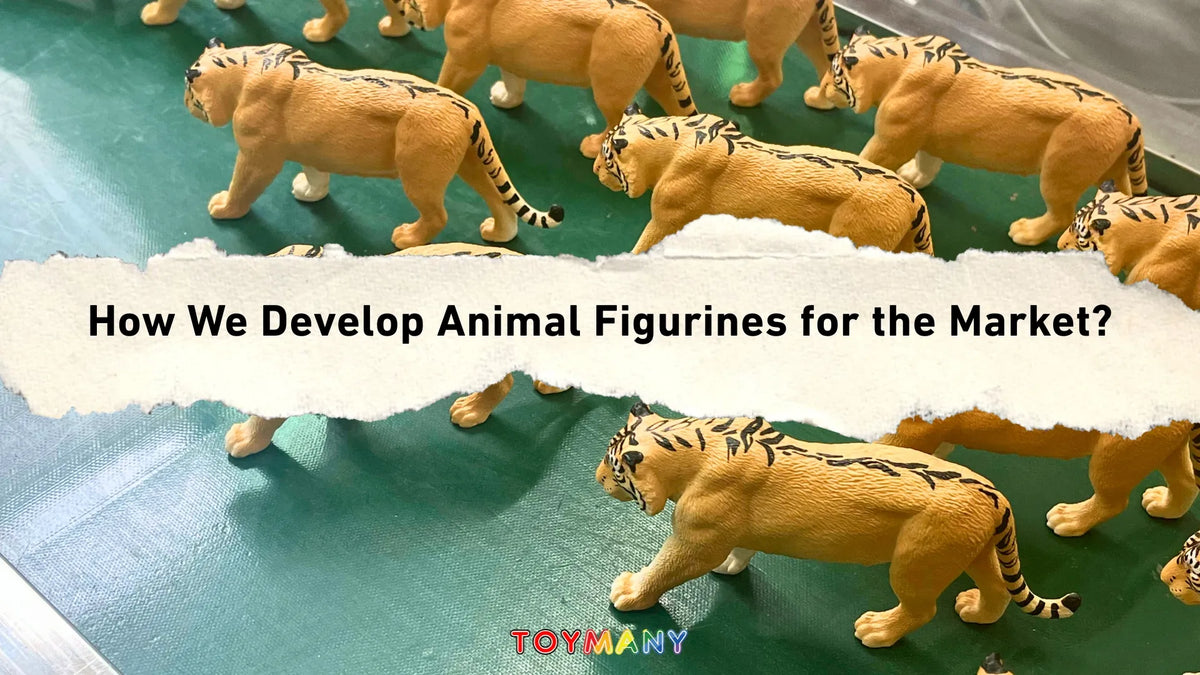
At Toymany, we consider these factors throughout the development process, from species selection to product planning, to create animal figurines designed for real market needs. From early product planning to production validation, each stage helps ensure that a concept can become a reliable product.

Product Development Starts with Understanding the Market
A successful animal figurine starts with more than a design idea. Before development begins, it is important to understand the needs of the audiences the product is created for.
Collectors may value species accuracy and detailed craftsmanship, while families and educators may look for learning opportunities and ways to explore the natural world.
By understanding these different needs, product development decisions such as species selection, design direction, and collection planning can be made with a clearer purpose.
Selecting Animal Species with Commercial Potential
Choosing which animal species to develop is one of the most important decisions in creating a successful figurine collection. This decision is closely connected with understanding animal characteristics, visual identity, and how each species can be translated into a realistic figurine design.
A strong product lineup is not built only around the most familiar animals. While well-known species can attract a wider audience, unique and less commonly represented animals can bring additional value by creating curiosity and collection appeal.
When selecting species, several factors need to be considered:
Species Recognition
Popular animals with strong public recognition can help customers quickly understand and connect with a product.
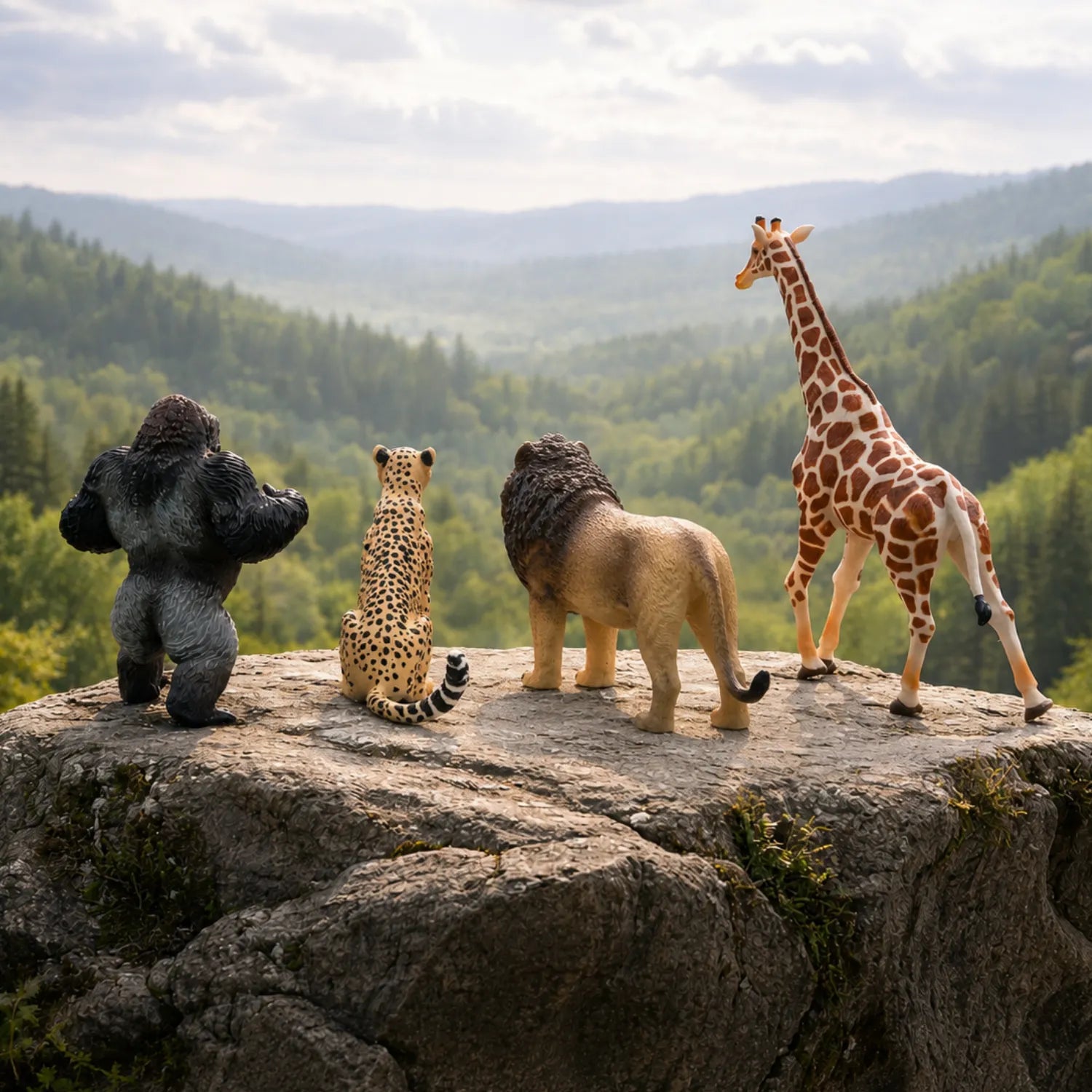
Species such as lions, elephants, pandas, and tigers have a natural appeal because many people already recognize their characteristics and stories.
Species Uniqueness
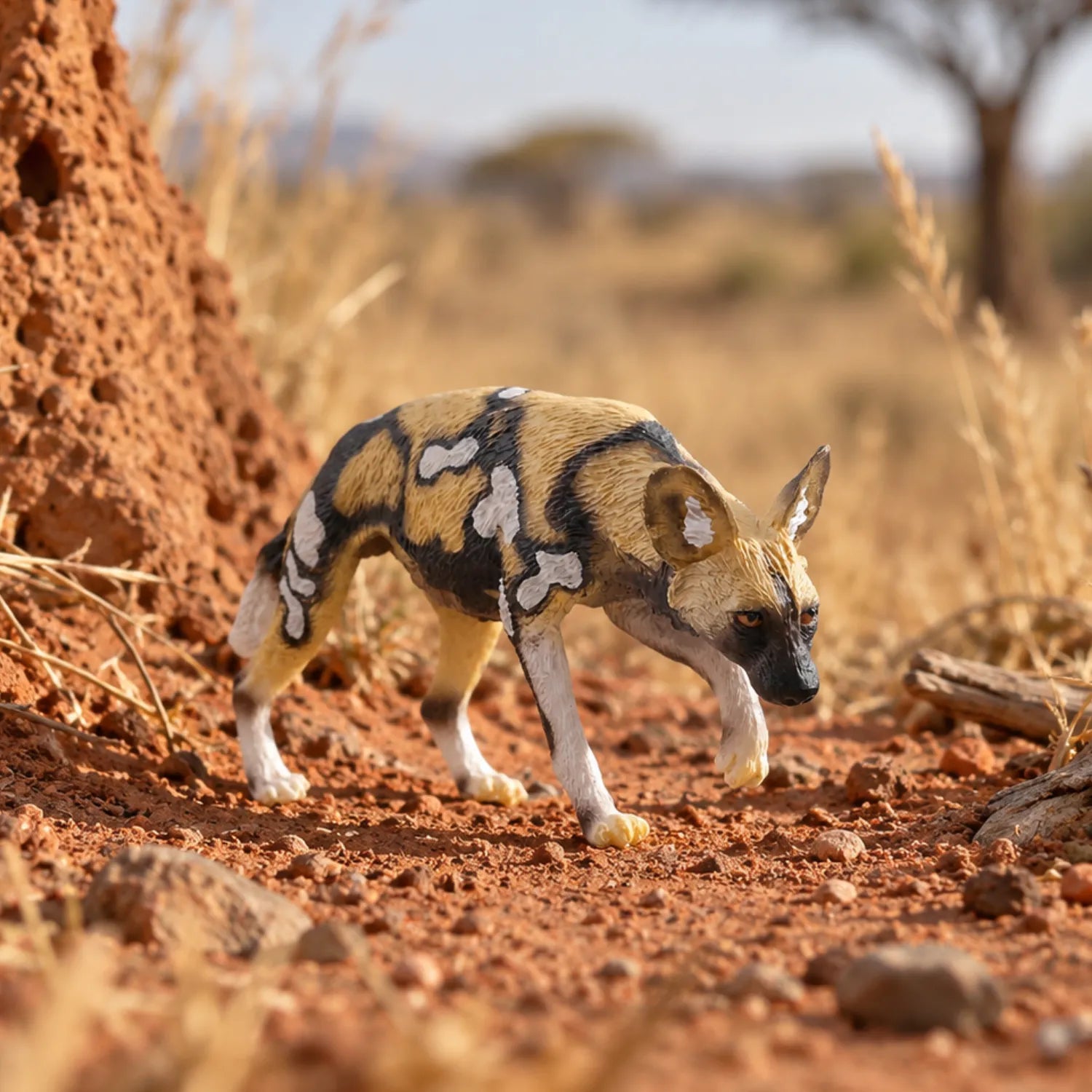
Less common species can provide opportunities for differentiation.
Animals with unusual appearances, behaviors, or adaptations can attract collectors who are looking for unique additions to their collections.

Educational Value
Some species are valuable because they introduce people to animals they may not encounter in everyday life.
By representing diverse wildlife, figurines can encourage curiosity and help people learn more about biodiversity and the natural world.
A thoughtful species selection strategy allows animal figurines to serve different audiences while creating collections that are both engaging and meaningful.

Balancing Realism, Educational Value, and Market Appeal
A successful animal figurine needs to offer more than a realistic appearance. Translating real animal features into a miniature format requires careful consideration of proportions, characteristics, and overall visual balance. Different markets evaluate products based on different criteria, and successful product development requires balancing these expectations.
For collectors, realism and species accuracy are important factors. Detailed features, natural poses, and accurate characteristics help products meet the expectations of users who value authenticity.

For educational markets, figurines need to provide clear species recognition and learning opportunities. Realistic models can help users better understand animal features, habitats, and biodiversity.
For retail markets, products need to combine visual appeal, recognizability, and a clear product concept that customers can easily understand.
By balancing realism, educational value, and market appeal, animal figurines can serve multiple customer groups while maintaining a clear product positioning.
Building Animal Figurine Collections for Different Markets
For animal figurine products, commercial appeal often comes not only from individual products, but also from how different figurines work together as a collection.
A well-planned collection can create a clearer product theme, provide more choices for customers, and help different markets build more engaging product displays.
When developing animal figurine collections, several factors need to be considered:
Creating Clear Themes
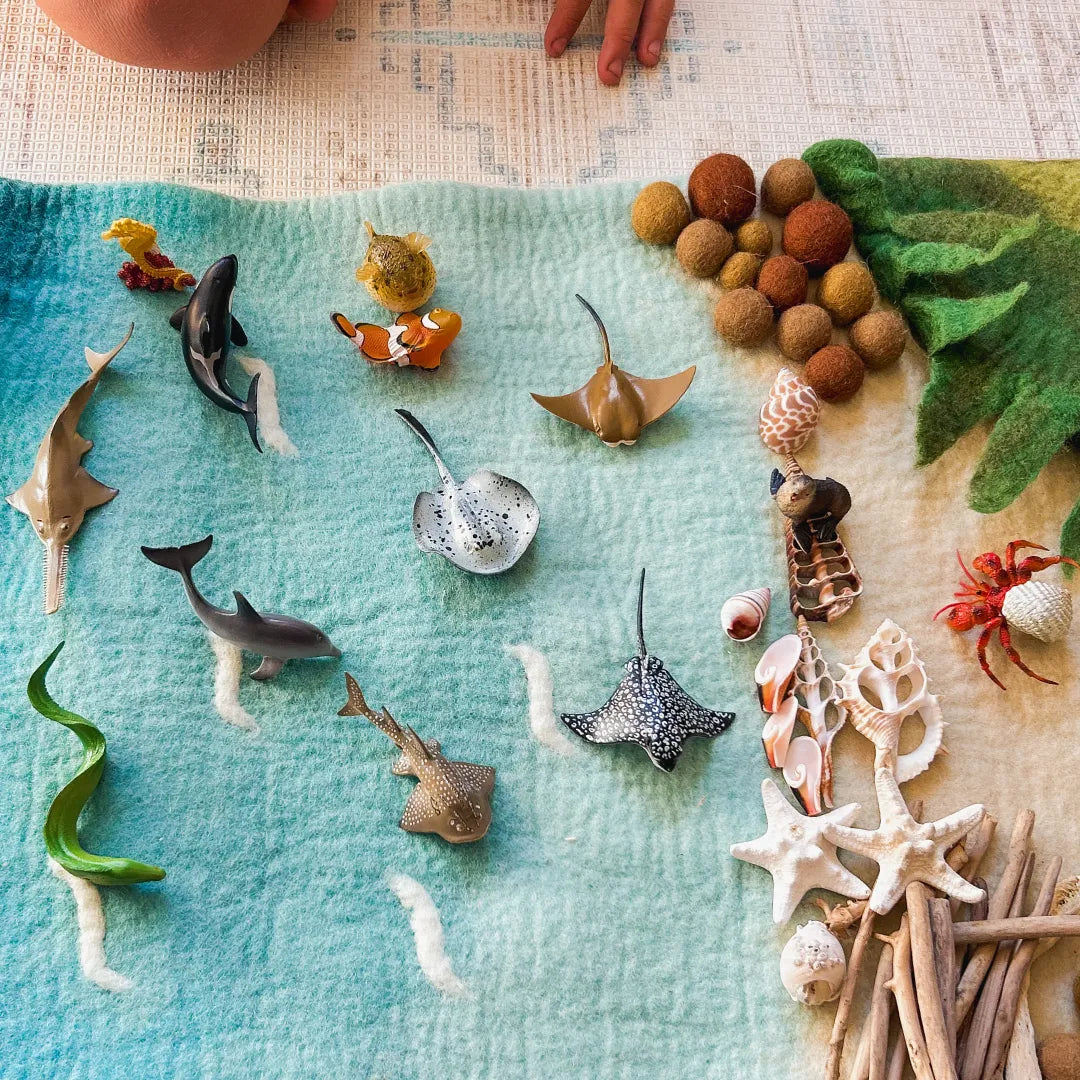
Collections with a clear theme help customers quickly understand the product concept. For example, a themed insect collection can combine different species characteristics into one product concept, allowing customers to explore a broader category rather than a single animal.
Examples include:
- specific habitats
- animal families
- species groups
- educational topics
A focused theme allows individual figurines to become part of a larger product story.
For example, when developing a new insect figurine collection, we focused on representing the diversity of the insect world rather than creating unrelated individual figures. By combining different species with unique characteristics, the collection provides customers with a broader understanding of insects as a group.
Learn more about the development story behind our insect collection in “The Creative Story Behind Toymany's New Insect Playset.”

Offering Product Variety
A strong collection combines recognizable species with unique additions.
Popular animals can attract a wider audience, while less common species can provide differentiation and encourage exploration.
This balance helps collections appeal to both general customers and specialized collectors.
Supporting Different Retail and Educational Needs
Different channels may use animal figurine collections in different ways.
Retail stores may focus on visual presentation and customer interest, while educational environments may value species diversity and learning opportunities.
By developing collections with clear themes and diverse species choices, animal figurines can better adapt to different market applications.
FAQ
Q1: How do you decide which animal species to develop into figurines?
Selecting animal species for new figurines requires considering multiple factors, including species recognition, uniqueness, educational value, and how the animal fits within an overall collection.
Popular species can help attract a broader audience, while less commonly represented animals can provide differentiation and collection value. A balanced selection strategy helps create products that appeal to different customer groups.
Q2: Why is collection planning important for animal figurine products?
Collection planning helps individual figurines become part of a larger product concept.
A well-designed collection can create clearer themes, offer more choices for customers, and support different applications such as retail displays, educational activities, and collector communities.
Q3: What makes animal figurines suitable for different markets?
Different markets value different product features.
Collectors often focus on species accuracy and detailed craftsmanship, while educational users may prioritize species recognition and learning value. Retail markets usually require products with clear concepts, visual appeal, and customer understanding.
Successful product development considers these different needs during the early planning stages.
Q4: Can one animal figurine collection serve both collectors and educational markets?
Yes. A thoughtfully designed collection can combine realistic representation with educational value.
By providing accurate species details and meaningful product themes, animal figurines can support both collecting interests and learning experiences.

Leave a comment
All comments are moderated before being published.
This site is protected by hCaptcha and the hCaptcha Privacy Policy and Terms of Service apply.