
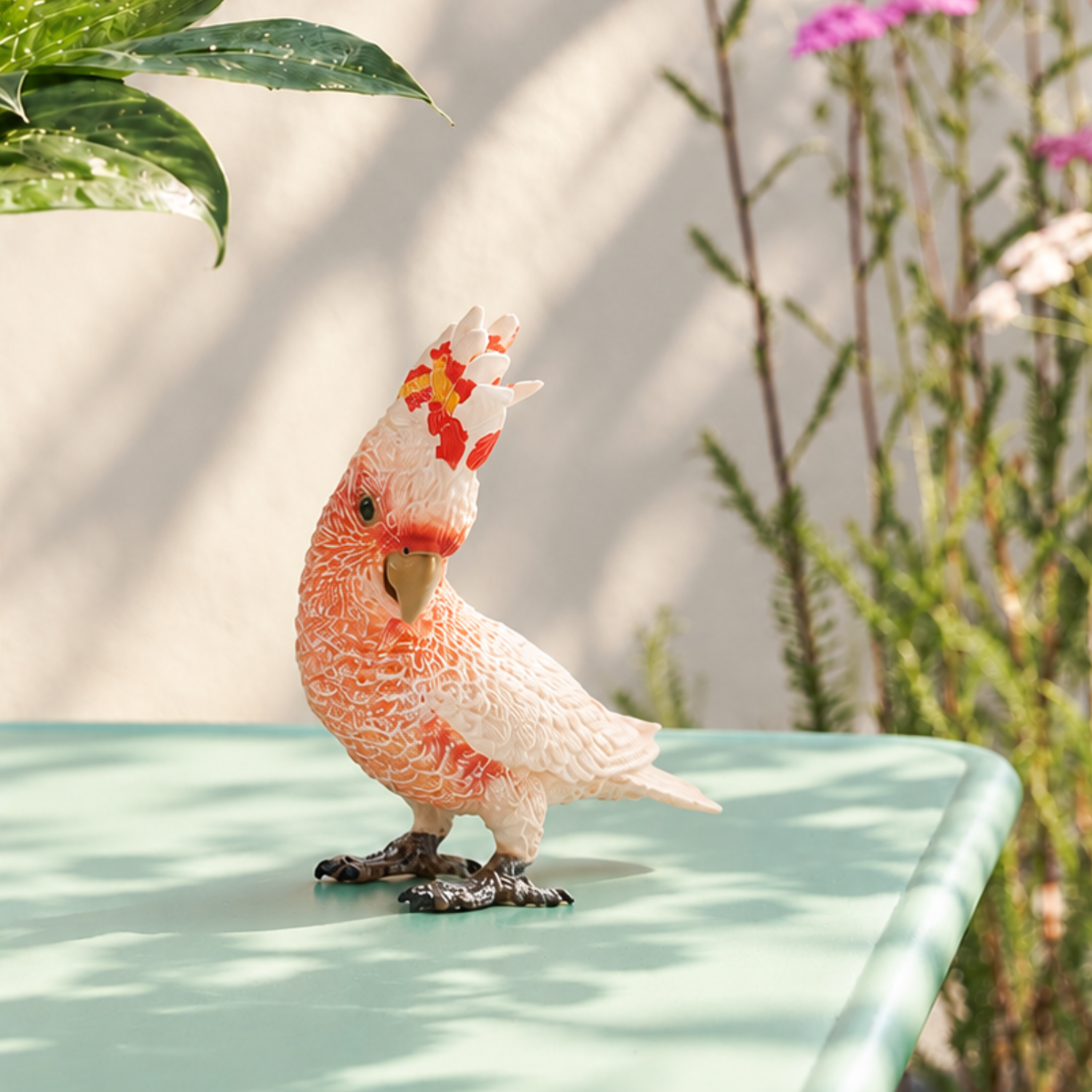
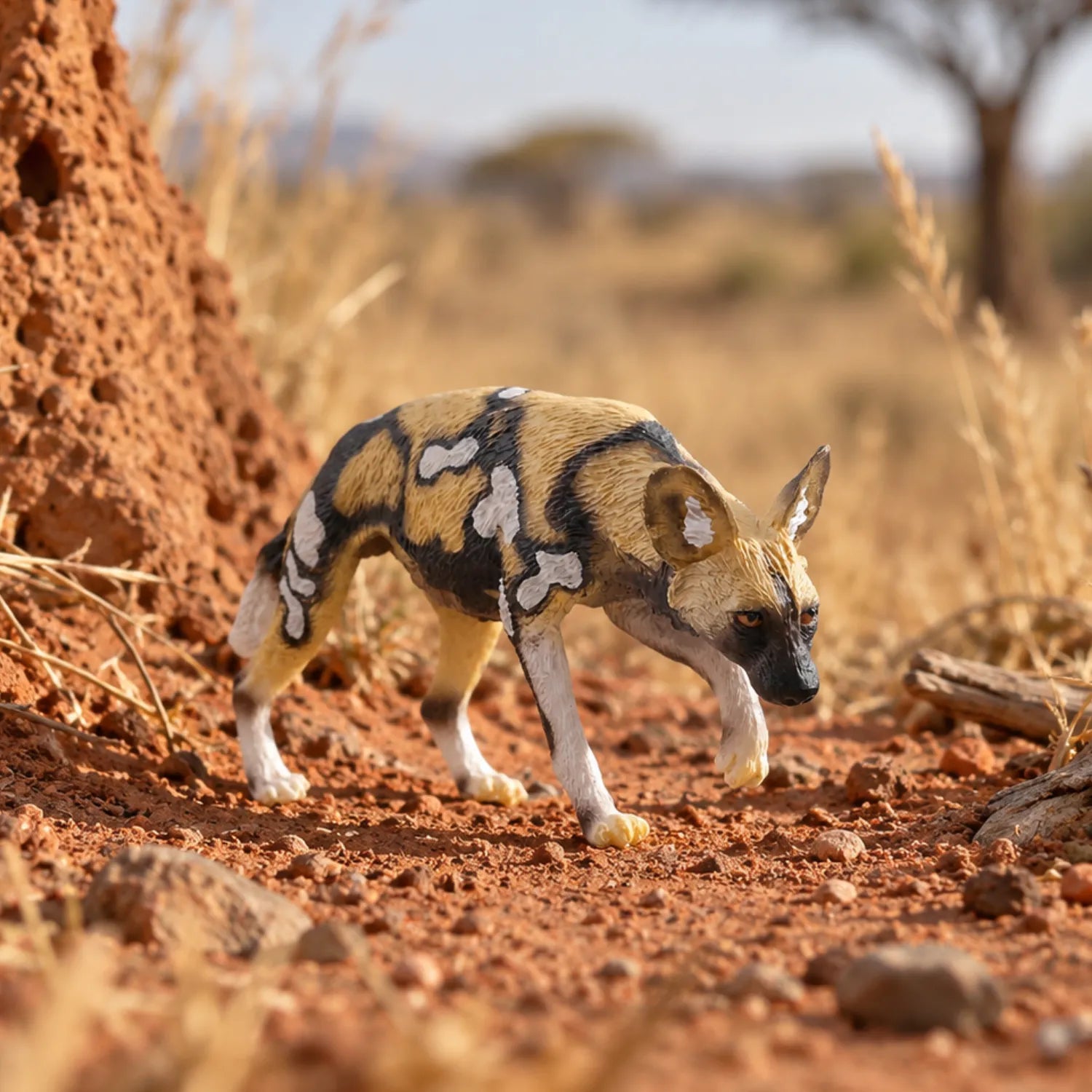
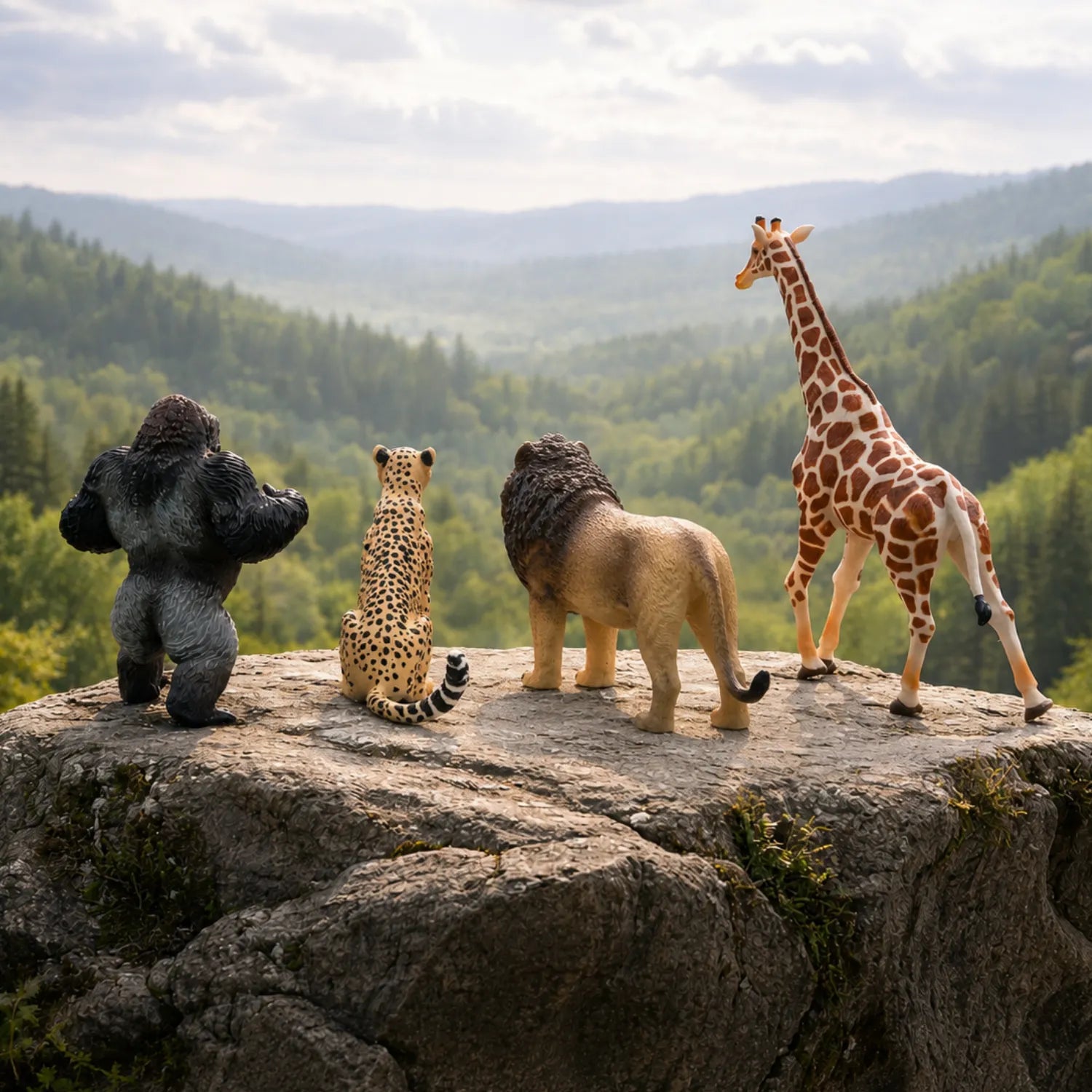
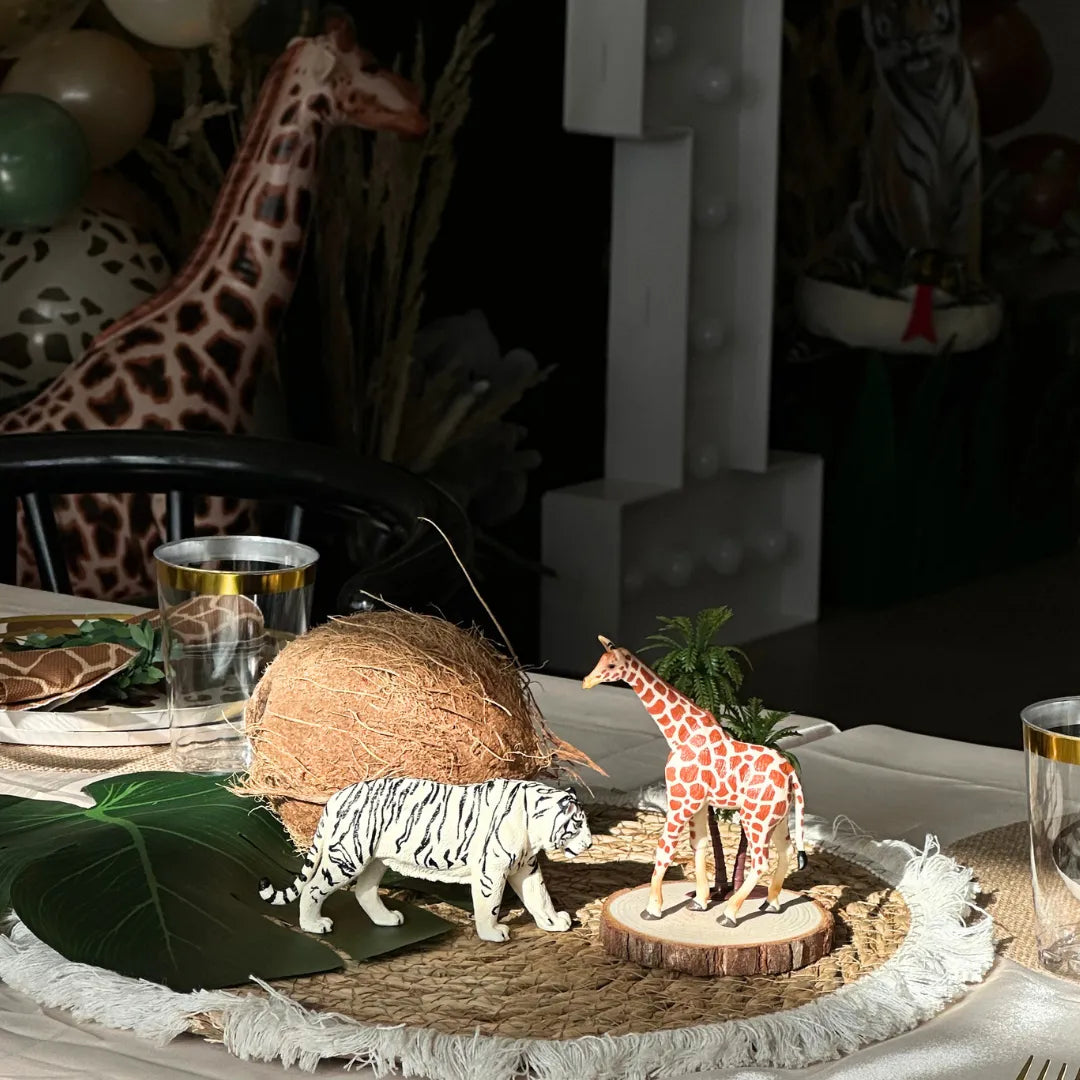
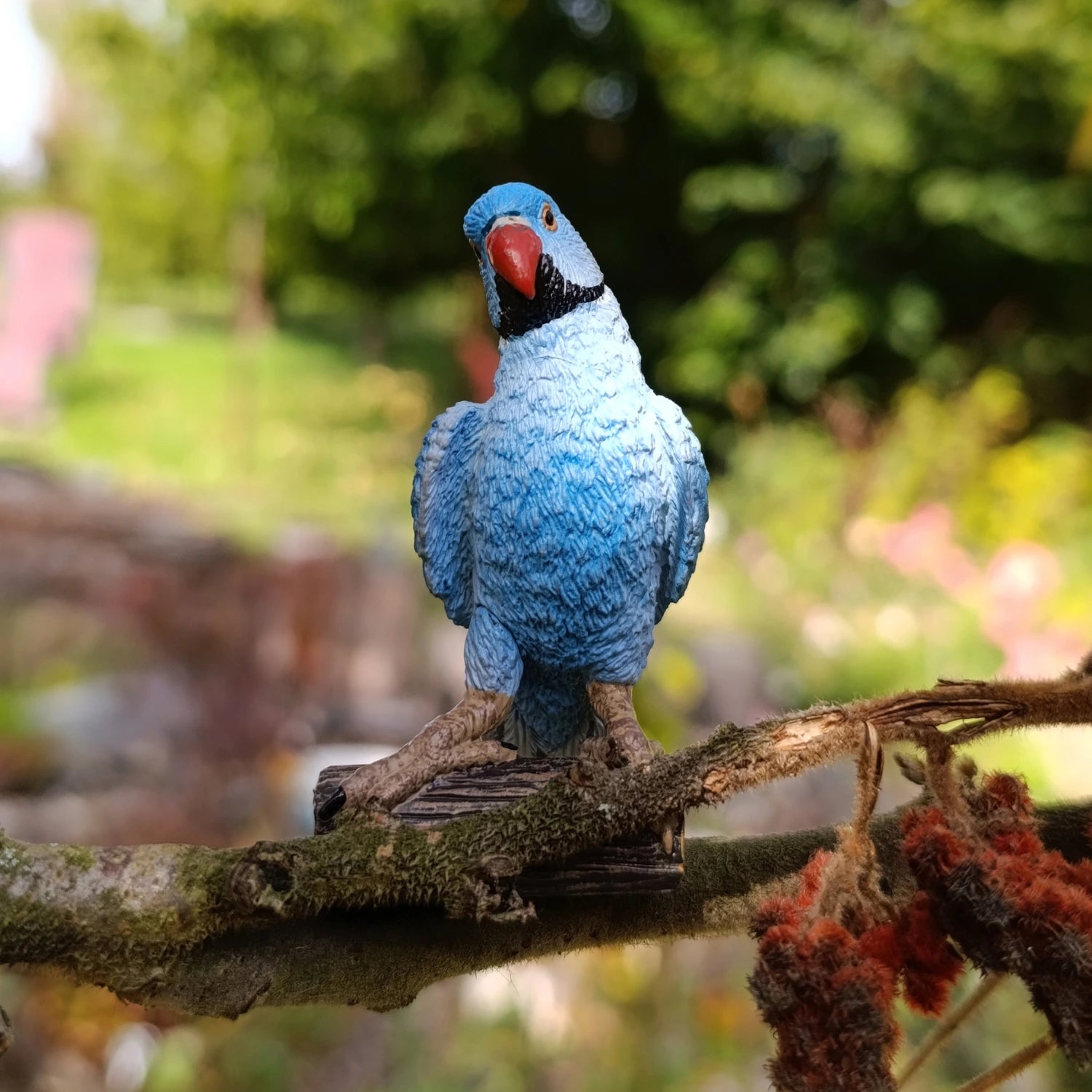
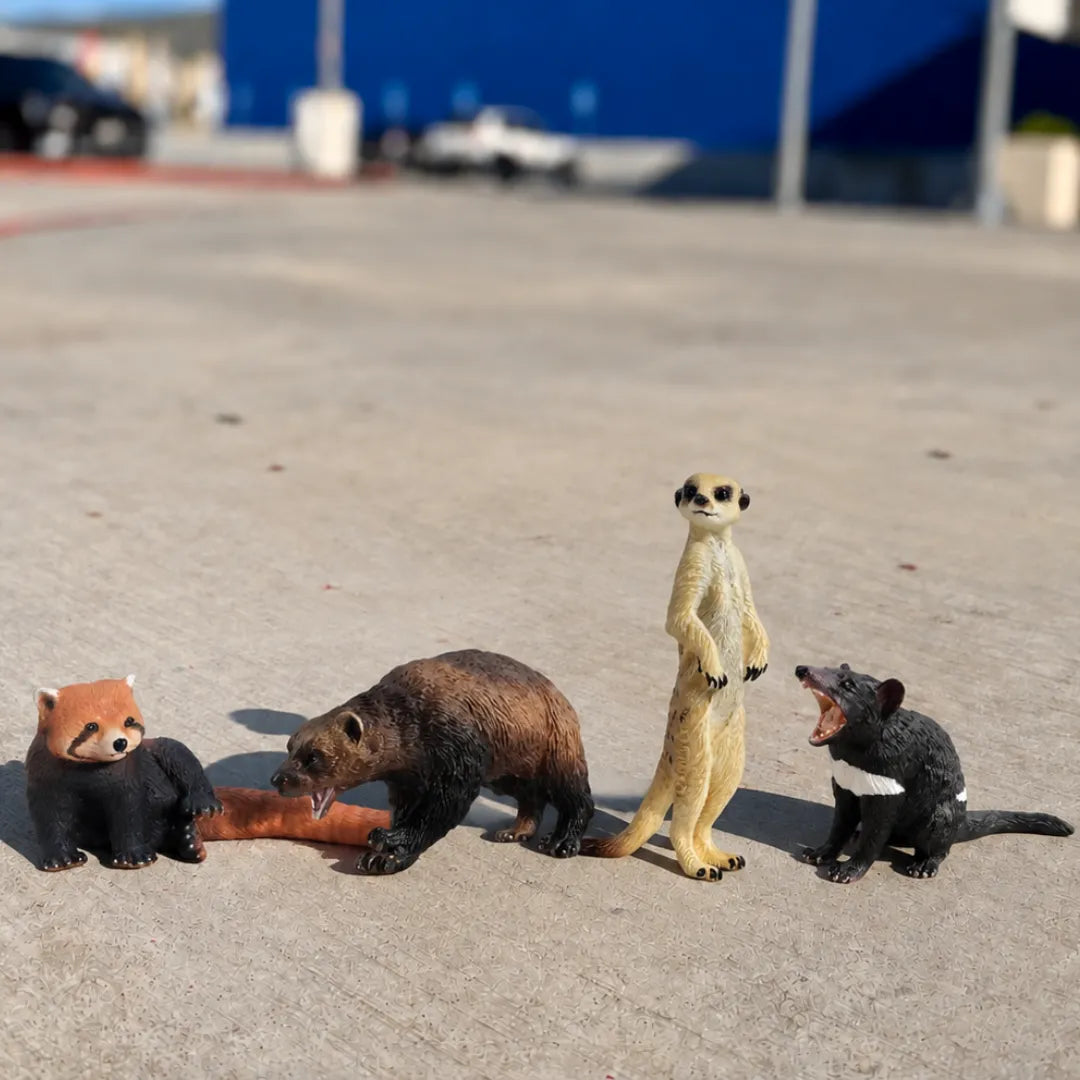
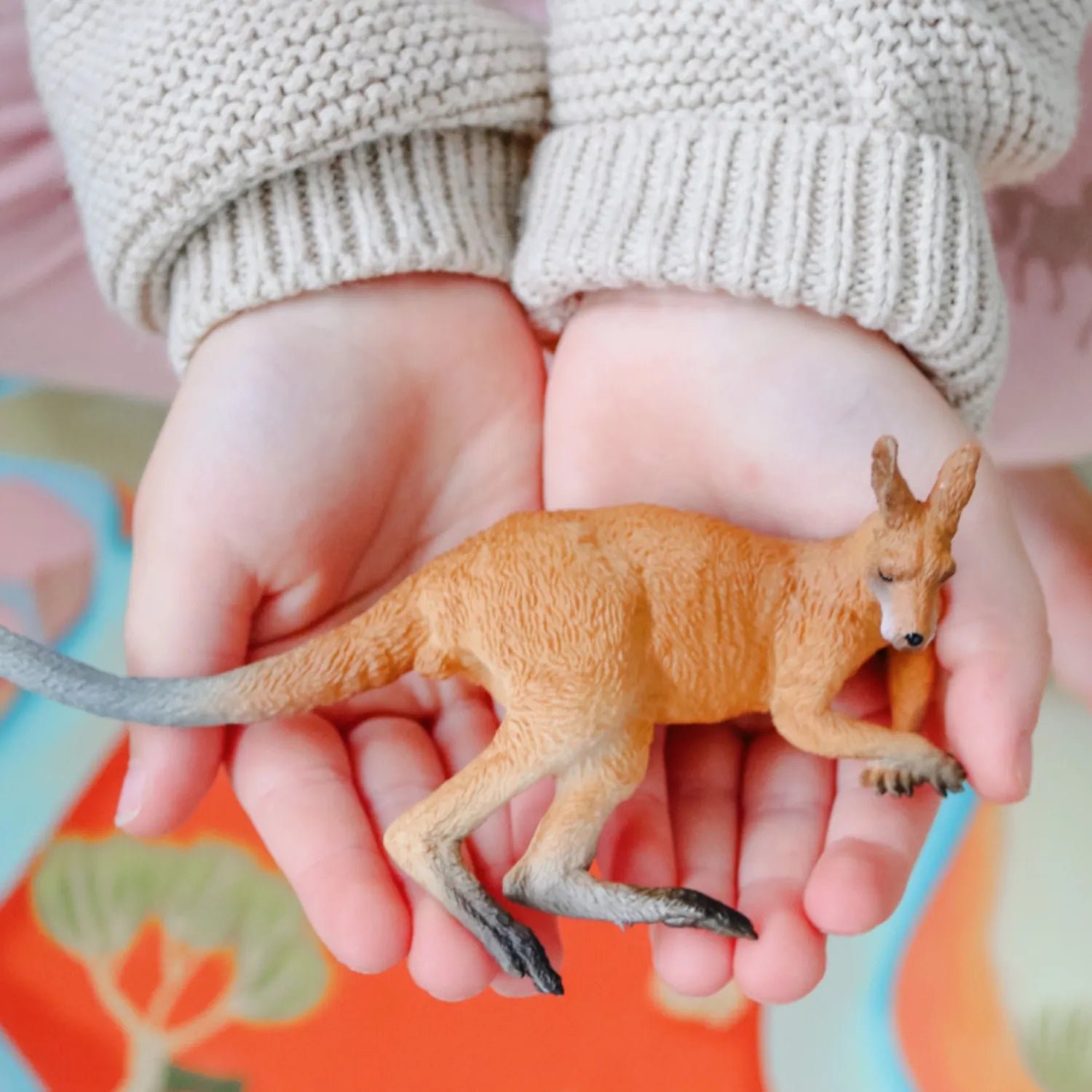
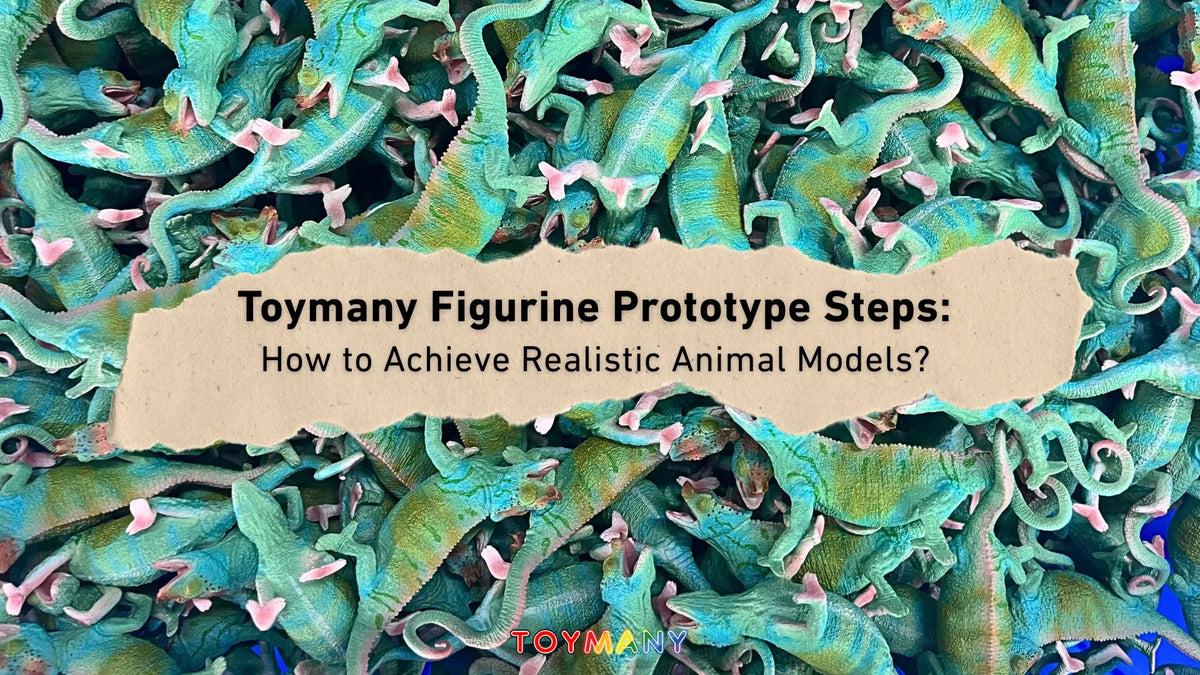
When we first started working on Toymany animal figurines, we quickly realized that creating a lifelike miniature isn’t just about painting or adding details at the end—it all begins with the prototype.
The way we sketch, shape, and structure each model sets the stage for every expression, every pose, and ultimately, how “alive” it feels.
We know many of you are curious about what goes on “behind the scenes” at Toymany—how we take an idea to a fully realized miniature animal.
That’s exactly why we decided to write this series of blogs: to give you a peek into our process, share the thought and care that go into every prototype, and explain how each design choice helps make our figurines so lifelike.

How We Build Realistic Toymany Figurines
When we start a new Toymany figurine, the prototype is the heart of the process.
We always think of it as the skeleton—it defines the proportions, posture, and overall presence of the miniature. If the foundation isn’t carefully crafted, no amount of painting or fine detailing will make the model feel alive.
Understanding this step helps you see why every decision in the prototype stage is crucial.
From Research to Refined Prototype
Before we even touch clay or resin, we start by diving into research.
We gather hundreds of reference images of the animal in question, both dynamic movements and static poses, capturing a variety of animal behavior and body language.
This helps us understand animal form and function, how muscles, limbs, tails, and heads behave in different actions, and how subtle nuances in posture convey emotion or intent.
Once we have a solid library of references, we share them with the team to get feedback. We discuss which poses feel the most natural, which expressions best capture the animal’s character, and how to balance realism with miniature scale.
This collaborative step ensures that the design decisions are thoughtful and informed, rather than purely instinctive.
After this research and alignment phase, we move into the prototype creation stage, where the concept begins to take a tangible form.
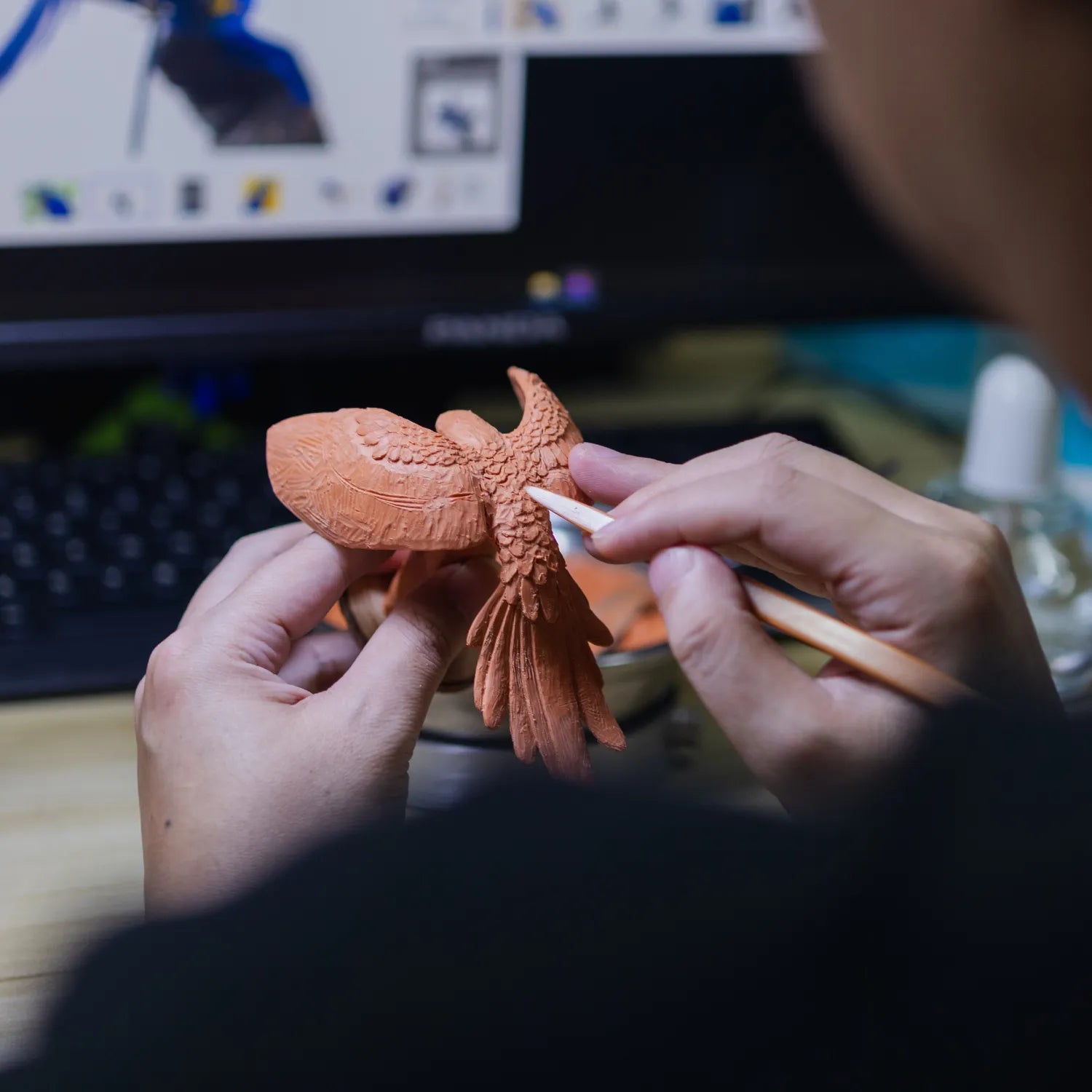
At this stage, we translate the approved design into a detailed 3D digital model, refining proportions and posture before moving into physical prototype development using oil-based clay for hands-on sculpting.
For final validation, selected designs are also produced in photopolymer resin through SLA printing, allowing us to evaluate structure, detail, and stability more accurately before entering production.
Every curve, joint, and facial feature is carefully sculpted, guided by the reference material and team insights.
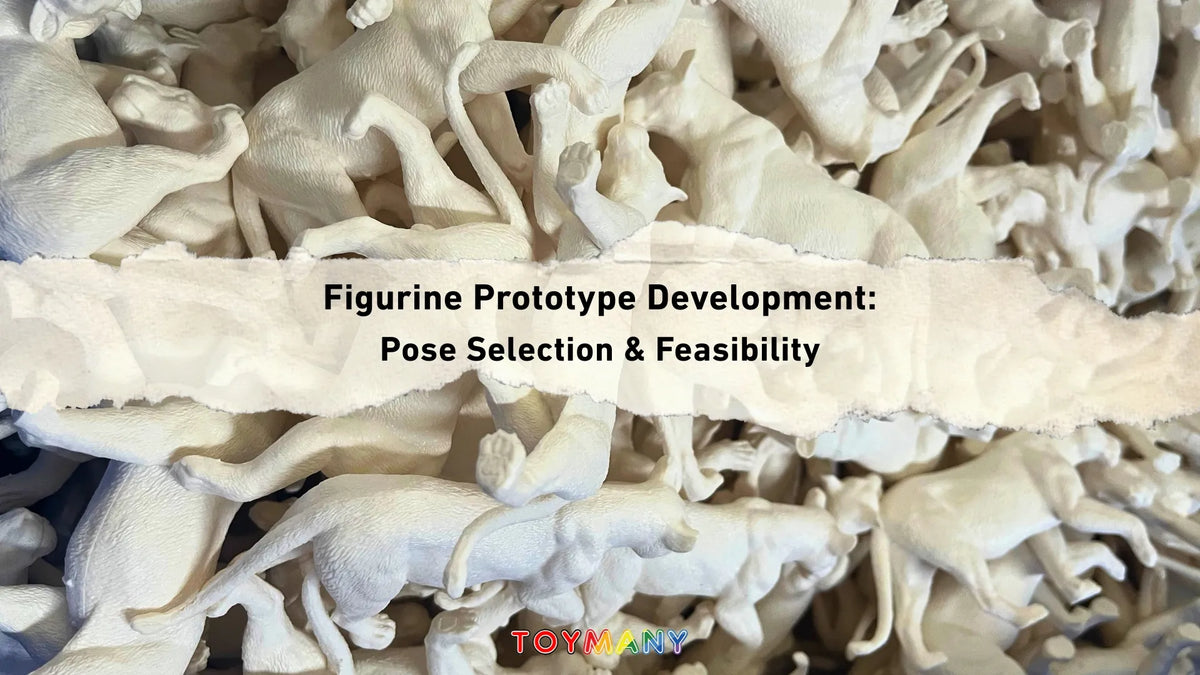
Once the prototype is finalized and all proportions, posture, and expressions are approved, we then create the white prototype (white model). This white model serves as the ready-to-paint base, carrying all the precise details from the original sculpt, and is what eventually moves into the coloring stage.
Proportions and Posture in Focus
Proportions and posture are what make a miniature truly believable.
Tiny adjustments in the tilt of the head, the length of a leg, or the angle of the tail can dramatically change the way a model feels. Even subtle tweaks can turn a stiff figure into one that radiates life and expression. This is where careful observation and practice really pay off.
Preparing for Future Details
Although the model isn’t painted yet, we already consider how every detail will respond to color and texture. Planning ahead at this stage ensures that when we move to painting, the figurine will achieve maximum realism. Features like fur direction, eye placement, and facial structure are carefully thought out, so painting will enhance rather than fight the sculpture.


It’s fascinating to see how every proportion, pose, and subtle detail comes together to bring a miniature to life. By sharing this behind-the-scenes look, we hope to give you a deeper appreciation for the process—and maybe even spark some ideas for your own miniature adventures.
Key Design Steps to Enhance Realism in Toymany Figurines
Proportions and Posture in Focus
Once the white prototype is ready, we will shift my focus from building to refining.
At this stage, proportion and balance in sculpture aren’t just about getting the numbers right—they’re about how the model conveys life and character.
These minor refinements may seem small, but they make a huge difference: a tiny change can transform a figure from feeling stiff to radiating motion and expression.
This is where careful observation, patience, and iterative tweaks really pay off, allowing the miniature to capture the essence of the animal in a way that connects instantly with collectors, enthusiasts, and educators alike.

Surface Texture and Detail Planning
Before we even start painting, we focus heavily on sculpting the animal’s fur and skin textures. When carving the fur, we think carefully about its natural direction and how it flows over the body. The movement of the joints and underlying bone structure directly influences this flow, so we adjust the texture accordingly to match the subtle shifts in posture.
Planning these textures in advance ensures that when we apply color, every shadow, highlight, and fine detail reinforces realism.
Properly aligned fur and skin patterns give depth to the miniature, convey natural movement, and bring the animal’s character to life—all without overworking the sculpt. This approach also makes the transition to the coloring stage smoother, since the textures already guide where highlights and shading will naturally fall.

Eyes, Expression, and Color Planning
The eyes and facial features give each figurine its personality, while the color choices bring those features to life.
We will make sure the eyes are proportioned and aligned with the pose, that subtle features like the mouth or brow enhance expression, and that the overall color palette highlights fur patterns, shadows, and highlights.
By planning both the facial details and the colors together, the miniature communicates depth, motion, and emotion at a glance.
We’ll dive deeper into eye details and color techniques in later posts of this series, showing exactly how painting and shading bring each figurine to life.


FAQ
Below are some frequently asked questions and practical insights related to enhancing the realism of Toymany animal figurines.
Q1: How do small adjustments in limb and tail positions affect realism?
A: Tiny changes in a limb or tail angle can dramatically improve a figurine’s natural movement and overall lifelike presence.
Q2: What surface textures enhance lifelike qualities in animal figurines?
A: Proper fur direction, skin folds, and claw sharpness help capture light and shadow, creating depth and movement without overworking the sculpt.
Q3: How do eye and facial details contribute to lifelike expressions?
A: Correctly aligned eyes and subtle facial features ensure that the painting can enhance expression naturally, giving the figurine personality.
Q4: How does pre-planned color help realism?
A: Choosing a color palette in advance ensures that shadows, highlights, and fur patterns work together to make the miniature more convincing.


Leave a comment
All comments are moderated before being published.
This site is protected by hCaptcha and the hCaptcha Privacy Policy and Terms of Service apply.