

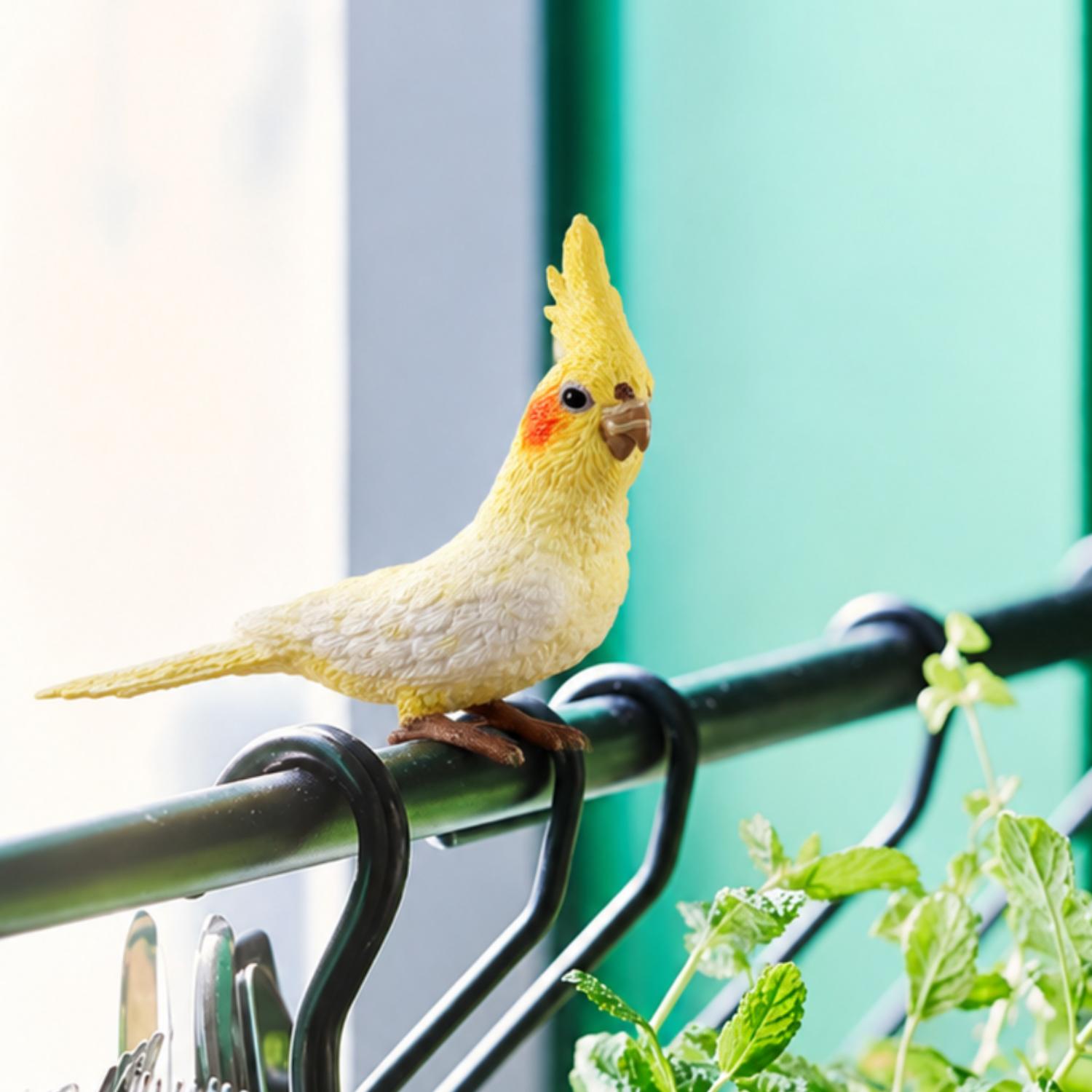
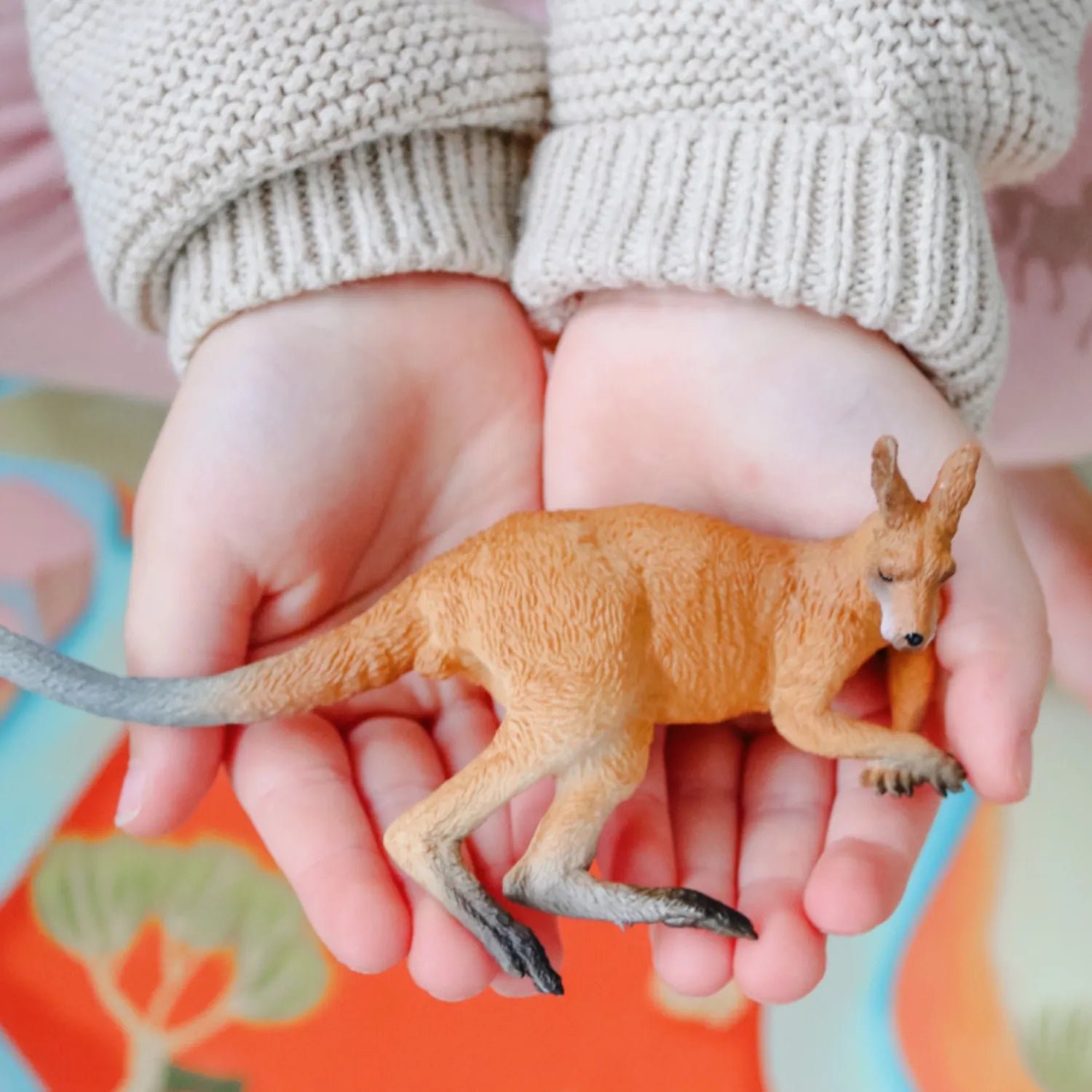
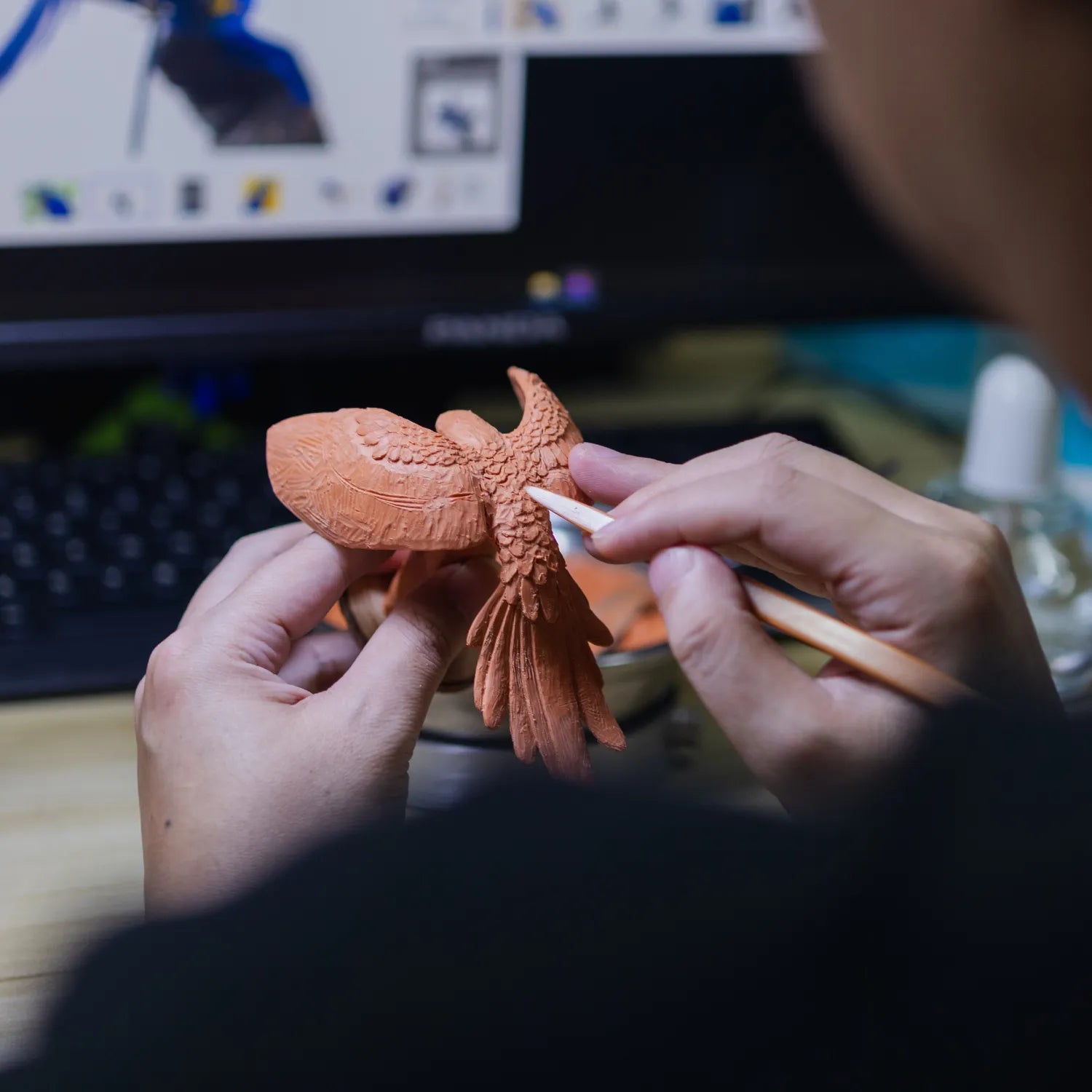
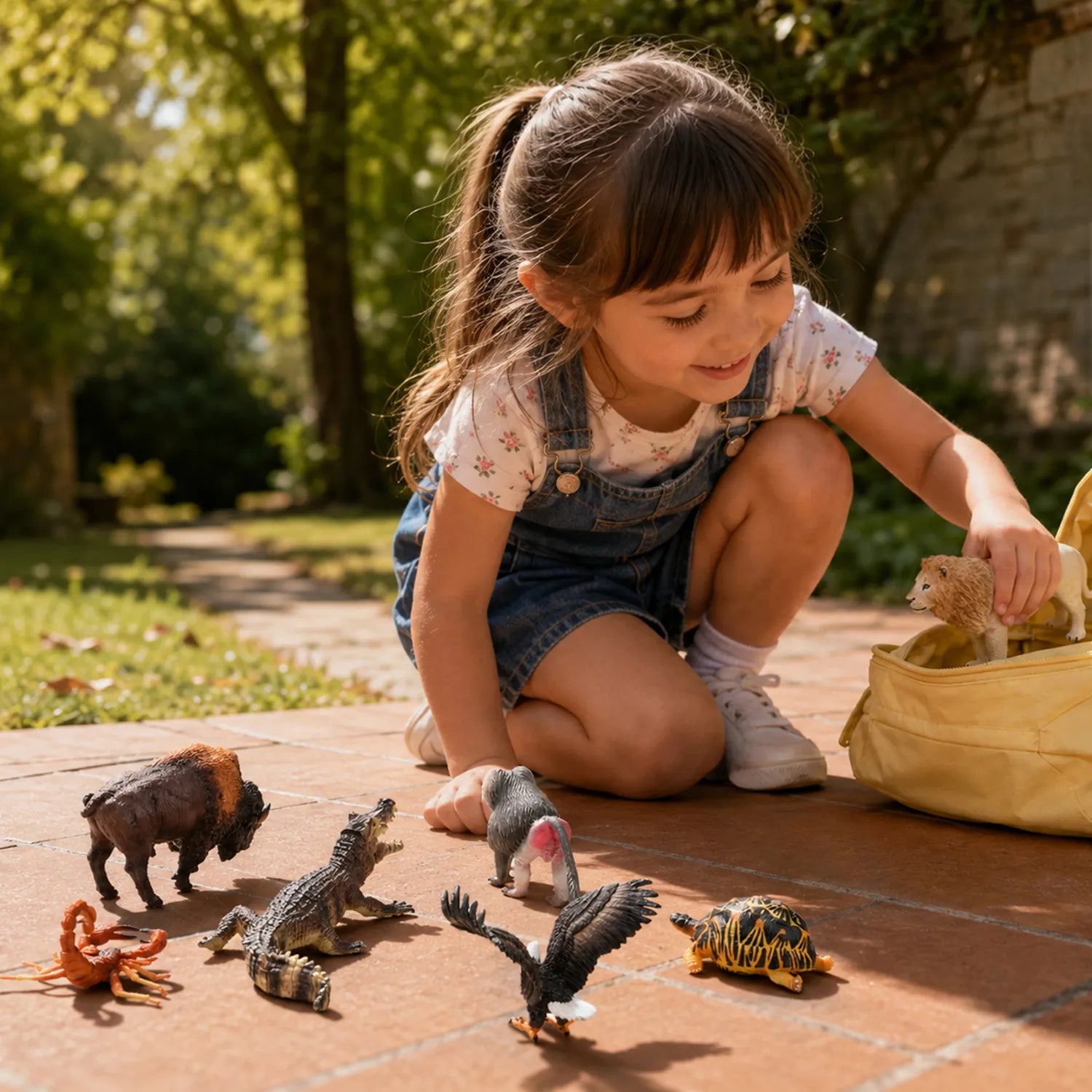
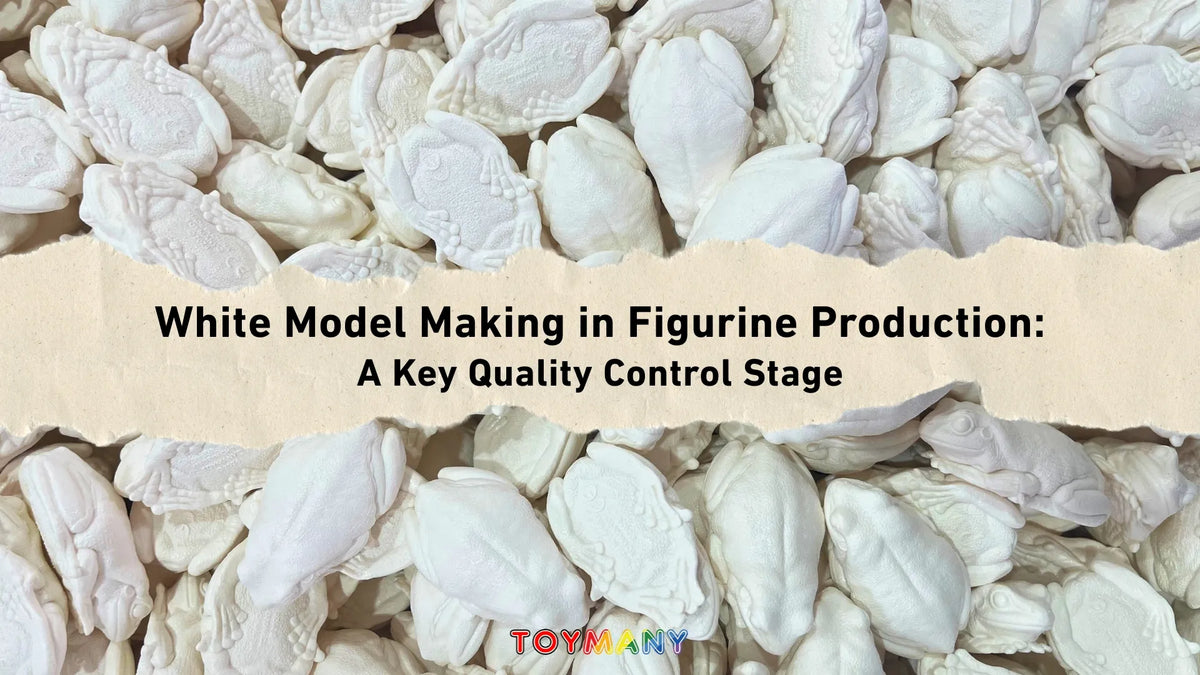
In animal figurine manufacturing, the white model is often seen as just an unfinished prototype.
However, in our figurine production process, it plays a far more important role — it acts as a critical production control stage that helps us evaluate design feasibility before any paint or final detailing begins.
At Toymany, we use white model making as a key checkpoint within our figurine prototype development workflow.
It allows us to review proportion accuracy, structural stability, and overall form clarity in a neutral state, without the influence of color or surface effects.
This stage is essential for ensuring that every design is ready for consistent production at scale.
By isolating structure from visual decoration, white model making helps us focus on the most critical question in animal figurine product development: can this design reliably exist as a physical product at scale?
This approach also aligns with broader process-based quality management principles, where controlled checkpoints help improve consistency and reduce downstream risk.

Why White Model Is a Production Control Stage
At Toymany, white model making is defined as a production control stage within our animal figurine production process, where we evaluate whether a design is structurally and functionally ready to move forward into later production steps.

The reason this stage is so important is that it allows us to test the figurine in its most neutral form, before any color or surface detailing is applied.
At this point, we are not focusing on visual presentation, but on whether the core structure, proportions, and stability can support real-world manufacturing.
In figurine prototype development, issues that are not identified at this stage often become significantly more difficult and costly to fix later in the process.
This is why we treat the white model as a critical checkpoint for validating whether a design is ready for scalable production.
From an animal figurine manufacturer's perspective, this stage helps ensure that only structurally sound and production-ready designs move forward, reducing risks in both manufacturing consistency and batch stability.
What Issues White Model Helps Identify Early
Without color or surface detailing, the structure becomes much easier to evaluate in its pure form. This allows us to detect problems early in figurine prototype development, reducing risks in both quality and production consistency.

Proportion Imbalance Detection
One of the first issues we evaluate is proportion balance.
At miniature scale, even small deviations in head size, limb length, or body ratio can significantly affect the final visual result.
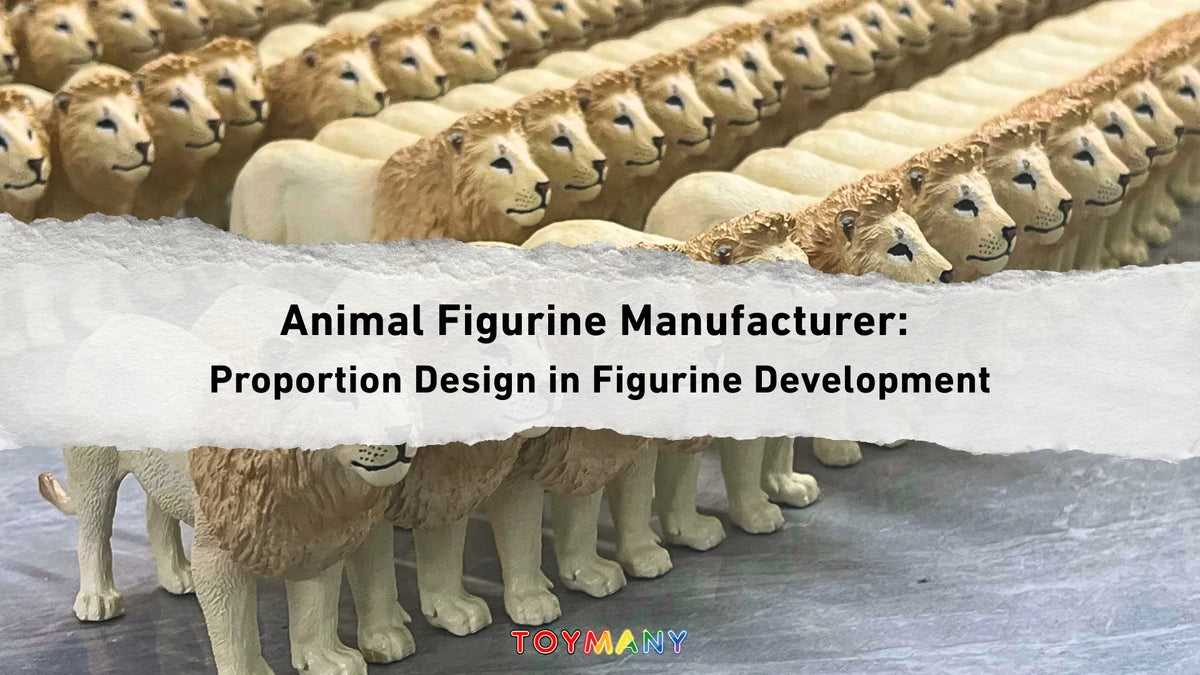
After the earlier proportion translation in figurine design stage, the white model helps us clearly see whether the overall structure still reflects natural animal proportions without distortion.
Structural Stability Check
Another key function of white model making is structural validation.
Without paint or surface treatment, we can directly observe whether the figurine can stand stably under real production conditions.
This is especially important in animal figurine manufacturer workflows, especially after the earlier pose selection and structural feasibility stage, where balance and support points are first evaluated before scaling to mass production.
Pose Consistency Evaluation
White models also help us evaluate whether a pose remains logically consistent when translated into physical form.
Some animal movements may look natural in reference images but become structurally unclear in miniature scale.
Through figurine prototype development, we refine these poses to ensure that movement expression and physical feasibility remain aligned.
Surface Readability Assessment
Even at the white model stage, surface clarity is already an important consideration.
We check whether key forms such as muscle direction, limb separation, and facial structure are still readable without color.
This ensures that later paint-ready figurines can achieve consistent visual clarity during production.

Why Fixing Issues Early Reduces Production Risk
In figurine manufacturing, the cost of correction increases significantly as the production process moves forward. Issues that are easy to adjust at the white model stage can become highly expensive or even irreversible once the figurine enters painting or mass production stages.
This is why early detection during white model making is not only a quality control step, but also a critical cost control strategy within our animal figurine production process.
It follows the same logic as broader quality control inspection principles, where issues are identified before they move further into production.
Cost Difference Between Early and Late Adjustments
At the white model stage, adjustments are relatively simple. Proportion changes, structural refinements, or pose corrections can be made quickly without affecting downstream processes.
However, once the design enters mold production or painting stages, even small changes may require reworking tooling, repainting, or adjusting entire batches.
This is why figurine prototype development always prioritizes identifying issues as early as possible.
Preventing Batch-Level Production Failures
One of the most critical risks in animal figurine production is batch inconsistency.
If structural or proportional issues are not identified early, they can be replicated across an entire production run, leading to large-scale rework or quality variation.
As an animal figurine manufacturer, we use the white model stage to ensure that only validated designs move forward, reducing the risk of batch-level defects.
Improving Manufacturing Stability and Efficiency
Early correction also improves overall production efficiency.
When issues are solved at the white model stage, downstream processes such as mold making and painting can proceed with stable references, reducing uncertainty and variation.
This directly improves figurine quality control and ensures consistent output across production batches.
Reducing Risk in Scalable Production
From a scalability perspective, unresolved design issues become exponentially more problematic when production volume increases.
By resolving structural and design risks early, we ensure that each animal figurine product development cycle is stable, repeatable, and suitable for large-scale manufacturing.

How White Model Ensures Stable Production Output
At Toymany, the white model stage is not only about identifying potential issues, but also about ensuring that every design can move forward into production with predictable and controlled outcomes.
Once a figurine passes the white model stage, it means the core structure, proportions, and pose have already been validated under neutral conditions. In manufacturing, this kind of early validation reflects the broader importance of manufacturing process control and performance metrics in reducing uncertainty before scaled production.
This significantly reduces uncertainty in later stages such as mold making, painting, and batch replication.
From an animal figurine manufacturer's perspective, this stage helps us establish a stable production baseline, which ensures that all subsequent steps follow a consistent reference model.
By locking in structural decisions early through white model making, we are able to maintain higher consistency across production runs, reduce variation between batches, and improve overall figurine quality control in large-scale manufacturing.
In this sense, the white model is not just a prototype — it is the first point where production stability is officially confirmed.
FAQ
Q1: Does every figurine go through white model validation?
Yes. In our animal figurine production process, white model validation is a standard step in figurine prototype development. It ensures that every design meets basic structural and proportional requirements before moving into later production stages.
Q2: Is a white model required for all figurine projects?
Not all figurine projects require the same level of white model validation, but for animal figurine manufacturing, it is a standard step in our production process. It ensures that structural and proportional issues are identified before moving into later stages.
Q3: Can changes still be made after white model approval?
Yes, but changes after white model approval are significantly more costly and may affect downstream processes such as mold creation and painting.
Q4: Does white model affect final painting quality?
Indirectly, yes. A well-validated white model ensures that surface structure and segmentation are clear, which improves consistency and accuracy during paint-ready figurine production.
Q5: What makes the white model different from the final prototype?
The white model focuses purely on structure, proportion, and stability without visual effects. It is used for evaluation purposes, while the final prototype represents the fully validated version ready for production.

Leave a comment
All comments are moderated before being published.
This site is protected by hCaptcha and the hCaptcha Privacy Policy and Terms of Service apply.