
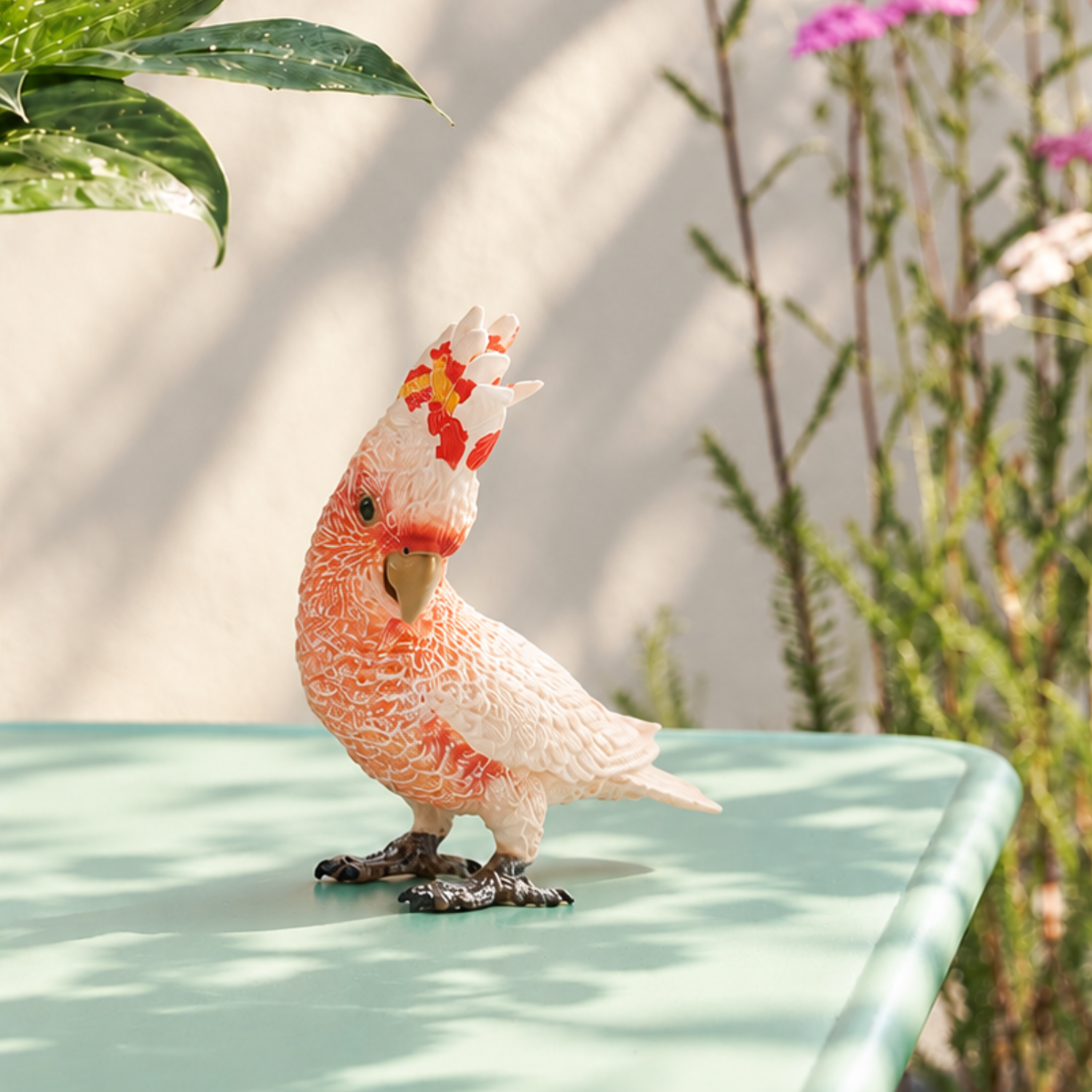
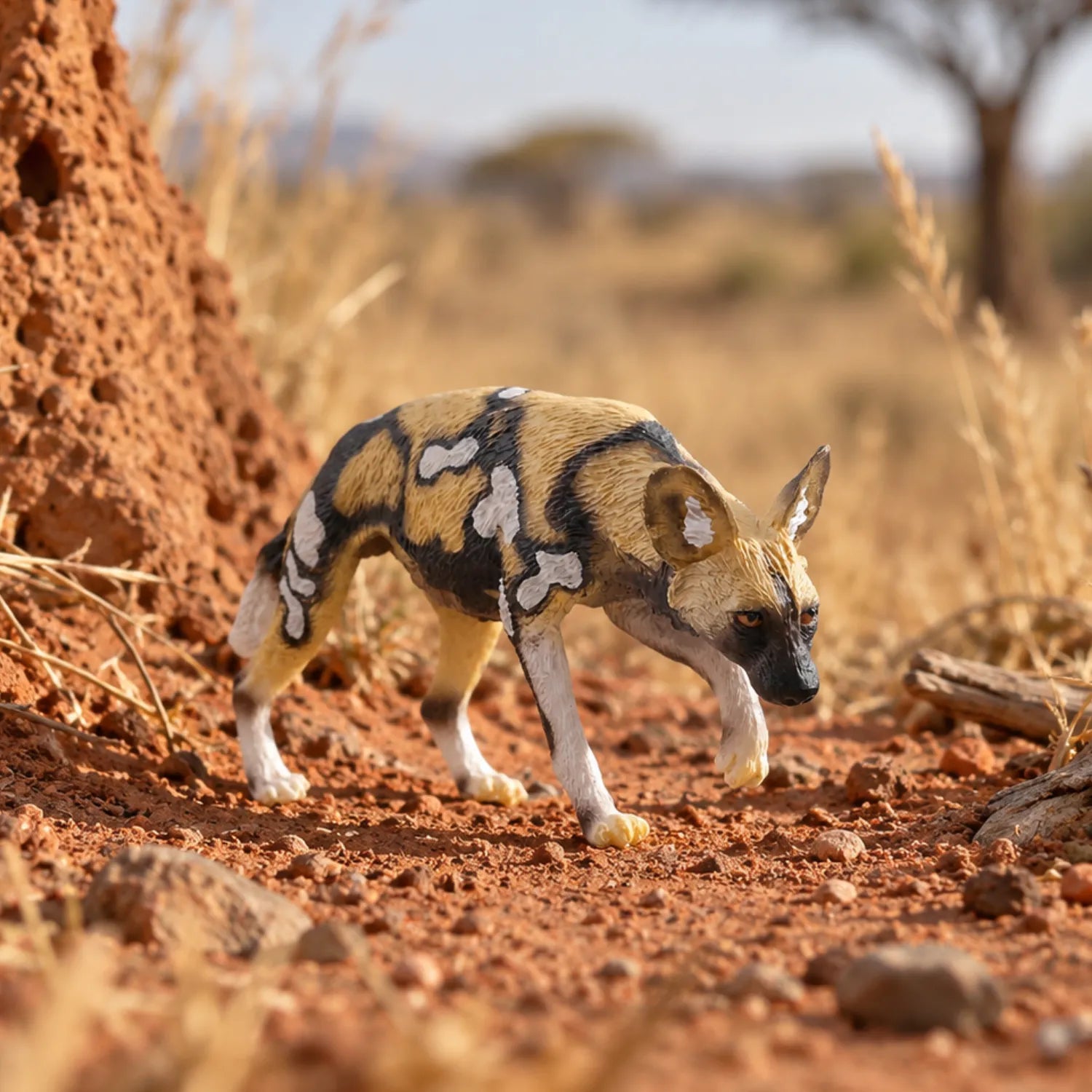
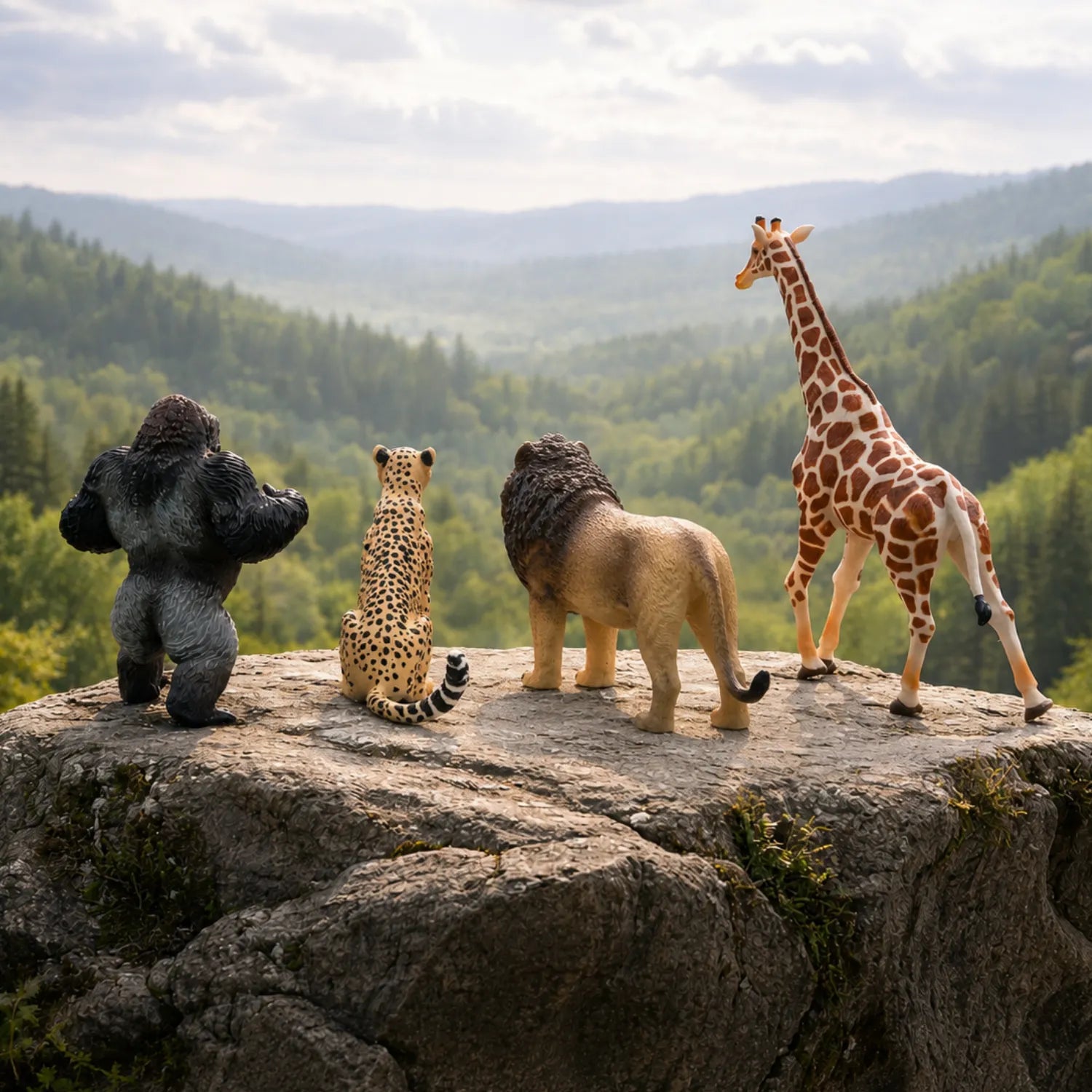
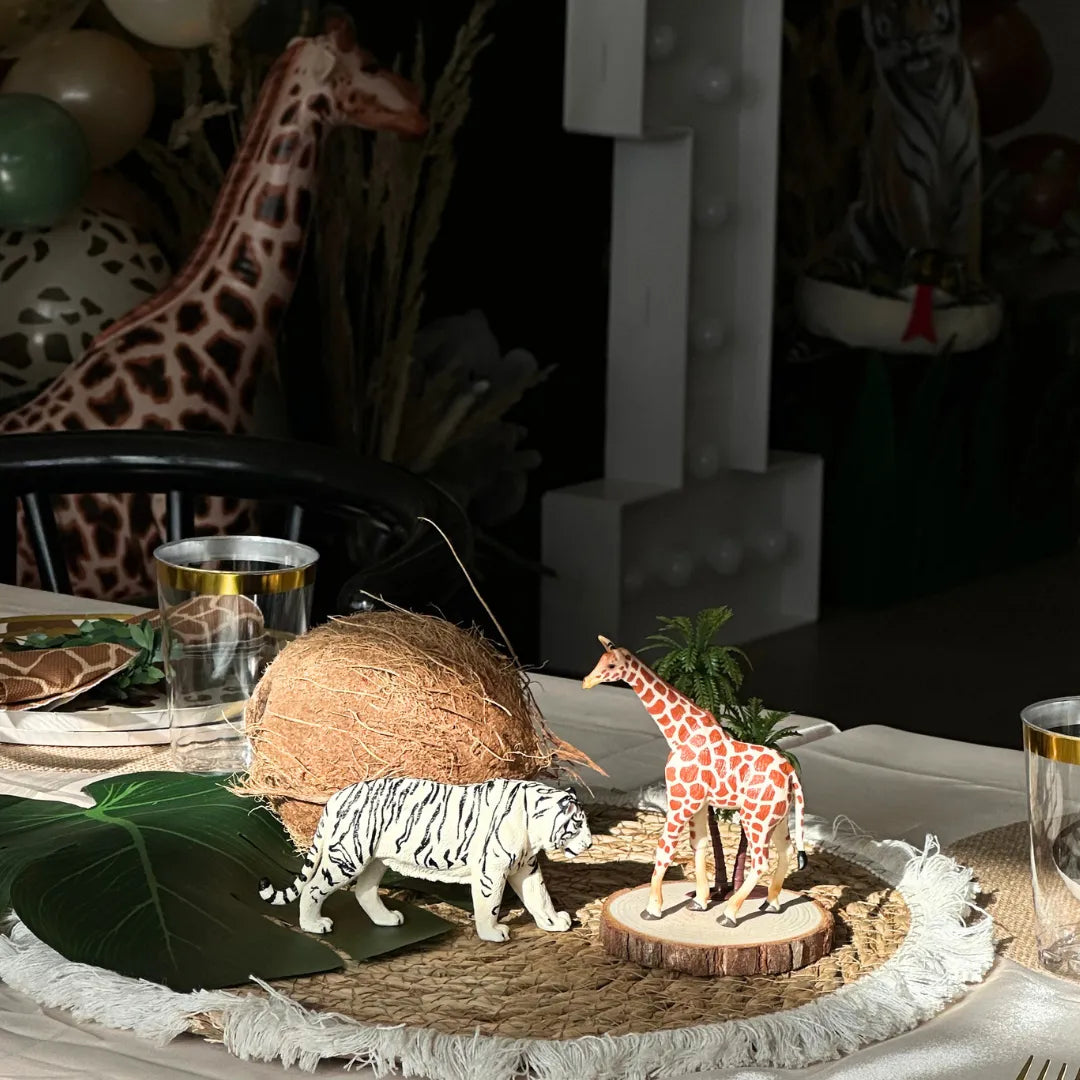
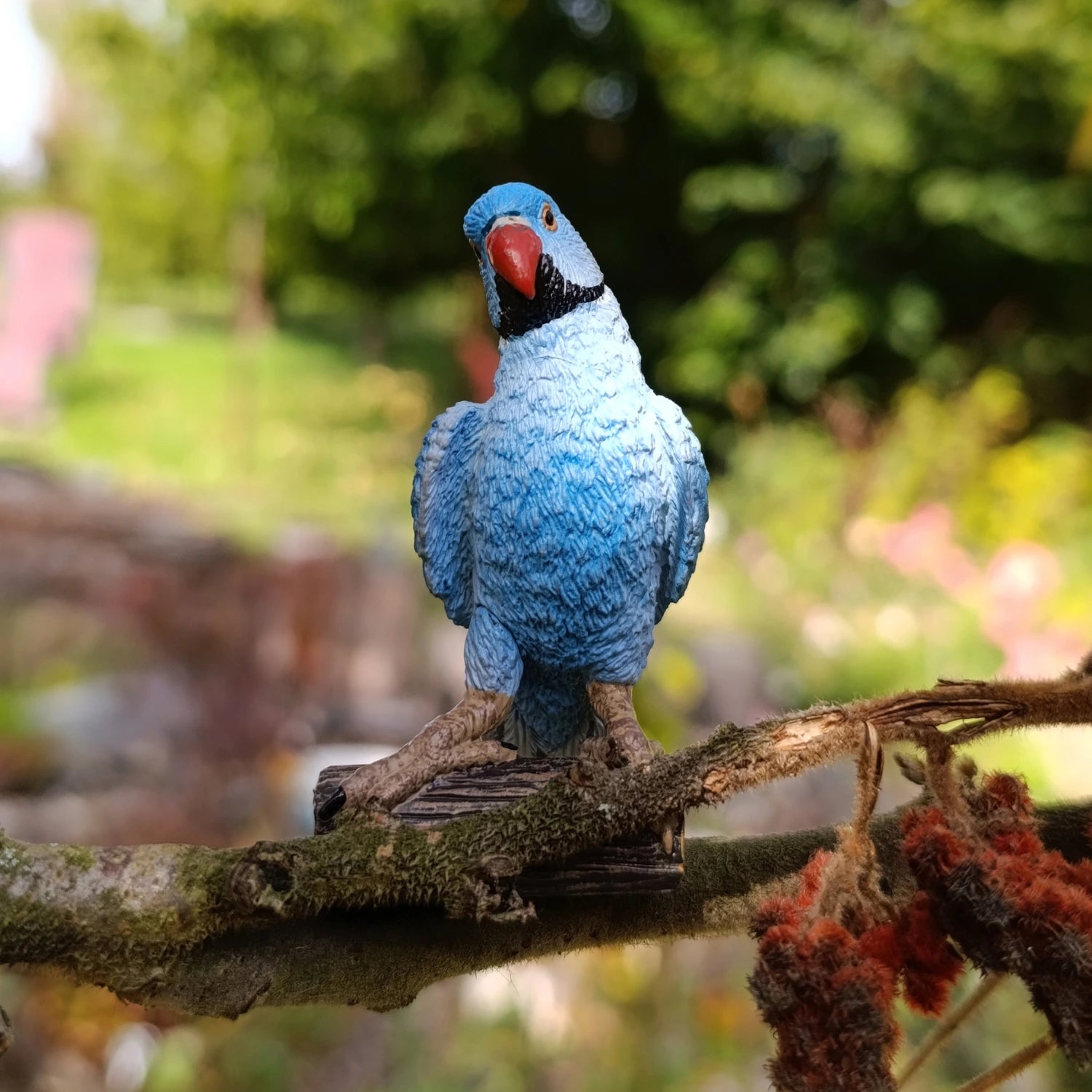
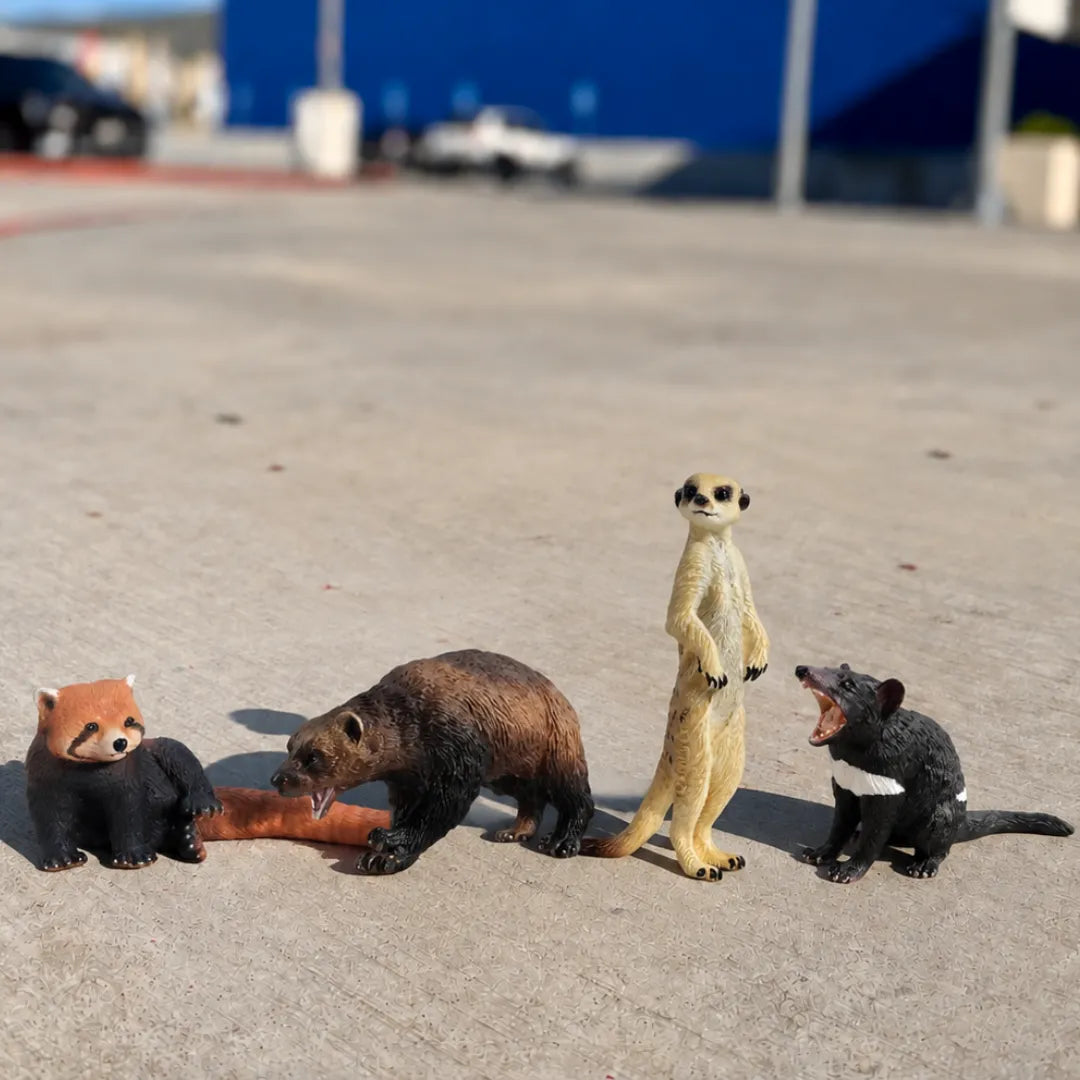
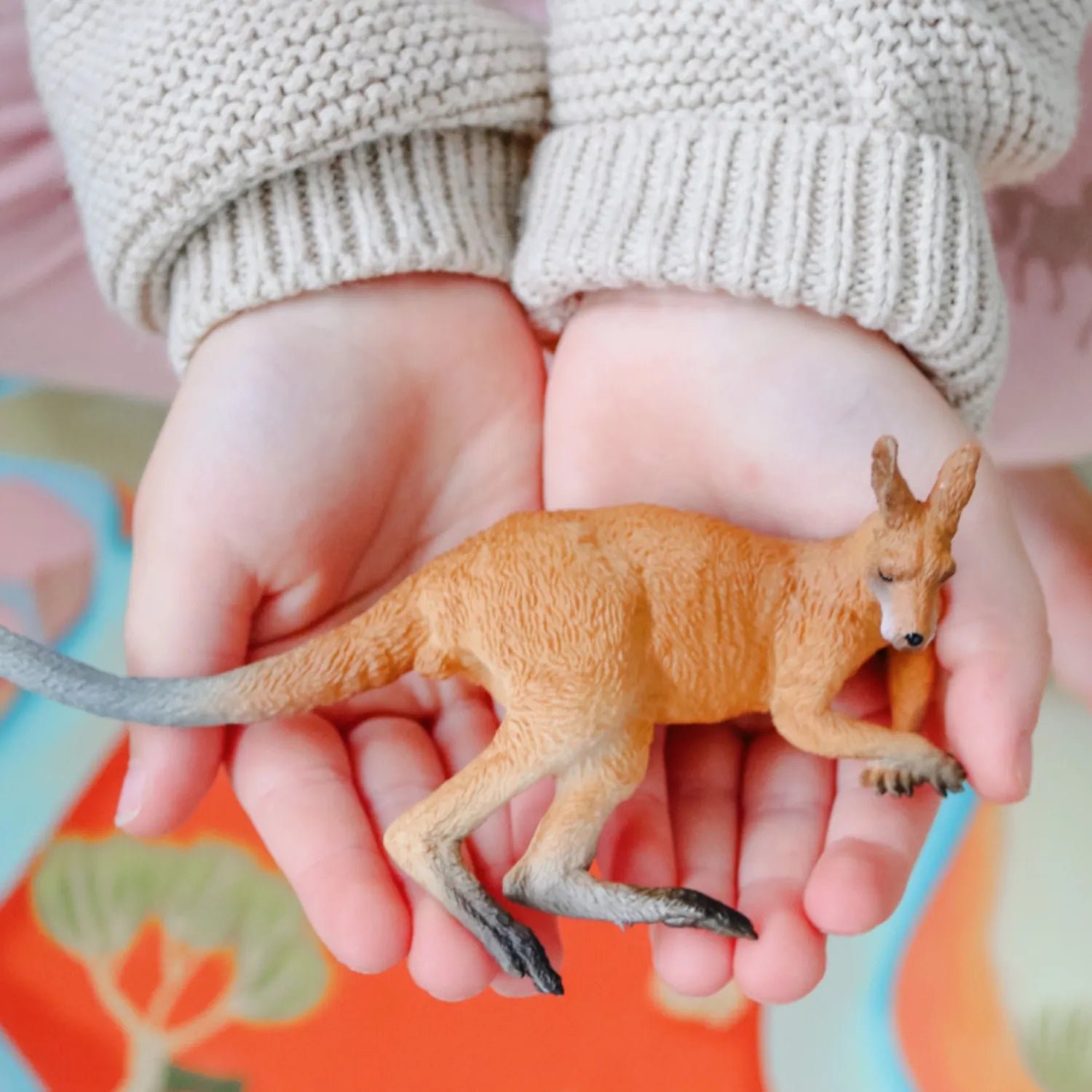
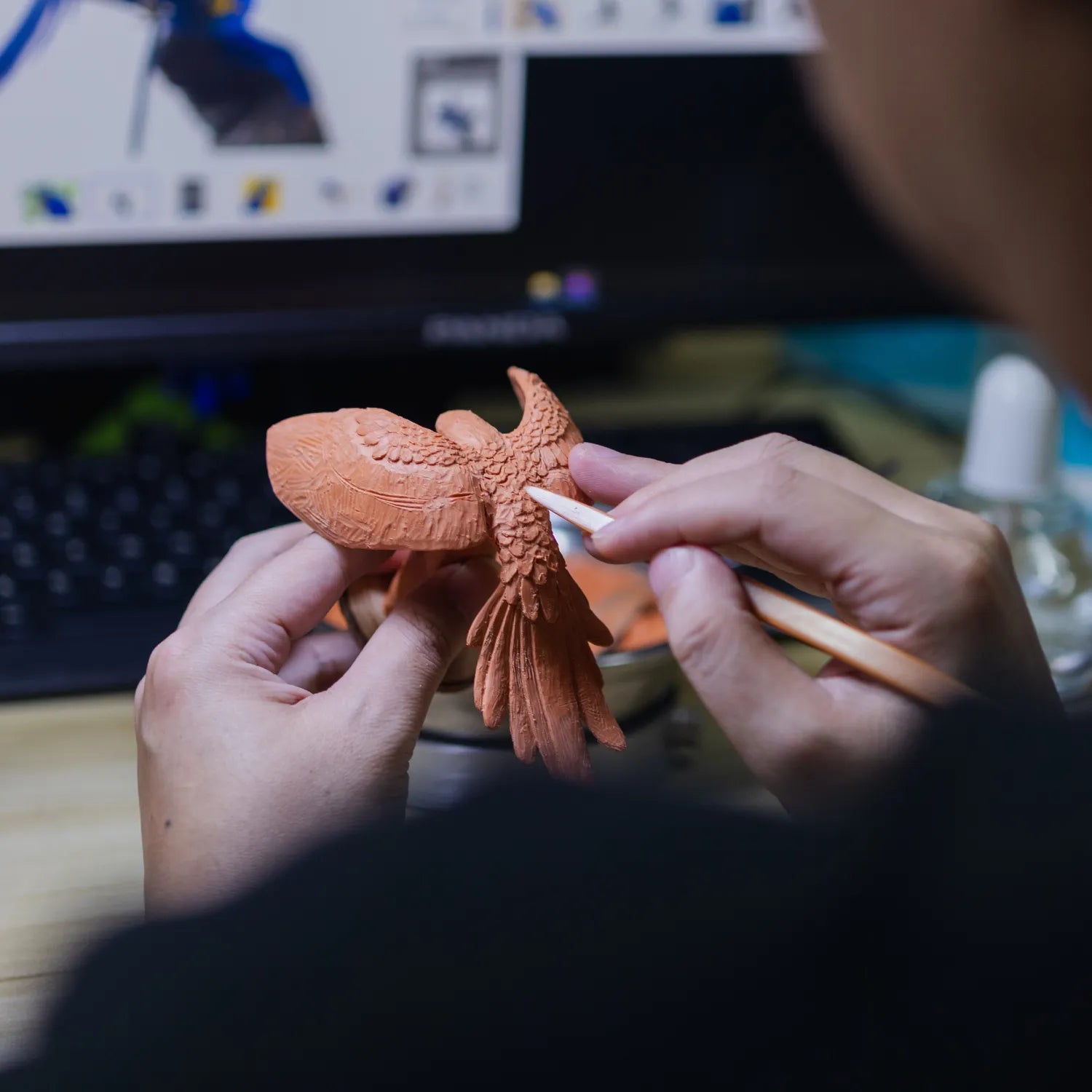
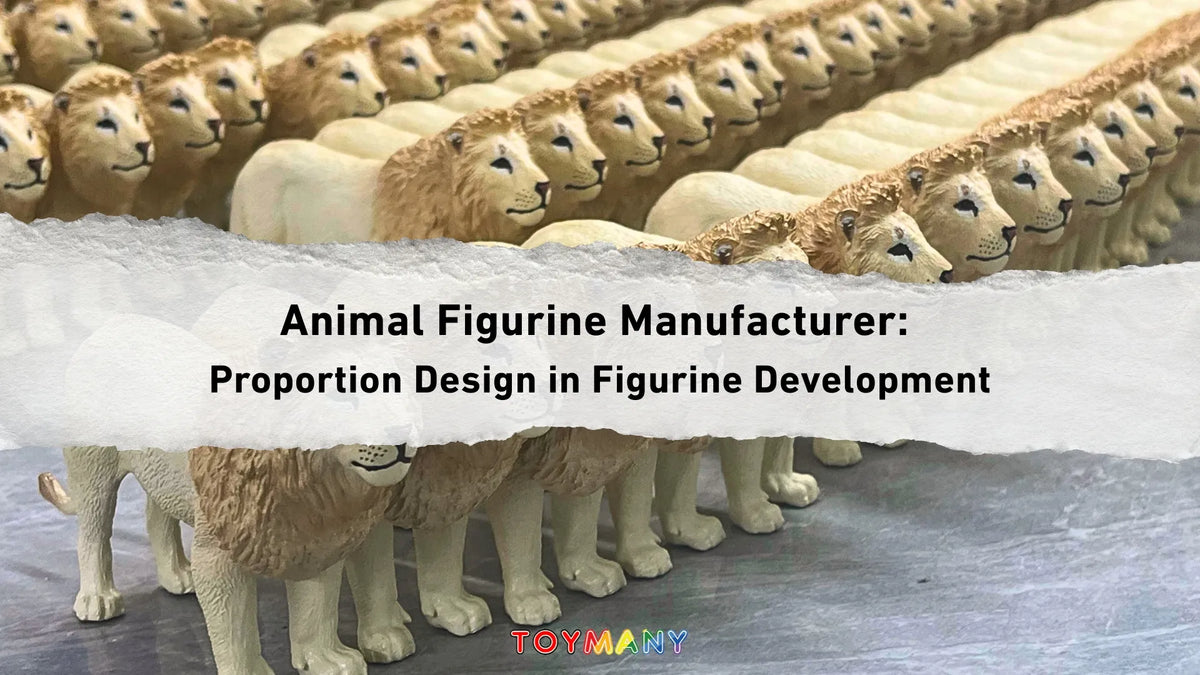
In figurine development, proportion is one of the most important design foundations that shapes how an animal model is perceived at a miniature scale.
As an animal figurine manufacturer, we don’t simply replicate real animal proportions.
Instead, we follow our figurine production process to ensure each design is adapted for miniature-scale development.
During our animal figurine product development process, we often find that direct scaling from real-life references does not produce the best visual result.
Details that work in nature can become unclear or unstable when reduced to a miniature form. This is why proportion adjustment becomes a critical step in figurine prototype development.

In this article, we will explore how we translate real animal proportions into miniature figurine design, and why decisions such as limb adjustment and silhouette simplification are essential to achieving both visual clarity and structural stability in production-ready figurines.
Why Proportions Must Be Adjusted in Figurine Development
In animal figurine development, proportions cannot be directly copied from real animals. Even though real-life anatomy provides the foundation for design, the miniature scale introduces limitations that require careful adjustment.
As an animal figurine manufacturer, we always start by studying real animal proportions in detail, but we never treat them as a one-to-one conversion rule.


When a design is reduced to a much smaller scale, visual clarity, structural stability, and production constraints all begin to influence how proportions should be handled.
We further refine these constraints in our pose selection and structural feasibility stage, where movement and stability are evaluated together. Similar principles are also discussed in animal behavior research on natural movement and anatomical adaptation.
One of the main challenges in figurine prototype development is that certain anatomical details lose readability when scaled down. Features that look natural in real life may become visually unclear or structurally fragile in miniature form.
Because of this, proportion adjustment becomes a necessary step rather than a stylistic choice.
From an animal figurine product development perspective, proportion refinement allows us to balance realism with functionality. It ensures that each figurine remains recognizable as an animal while still being suitable for stable and consistent production.
This is why proportion adjustment is not about changing the animal’s identity, but about translating it into a form that works at a miniature scale.

Limb Adjustment and Structural Stability in Miniature Design
Another important adjustment in animal figurine design is limb proportion. In real animals, limbs are often long, dynamic, and designed for movement efficiency.
However, when translated into miniature scale, these same proportions can create structural and stability challenges.
As an animal figurine manufacturer, we need to ensure that every figurine can stand securely and maintain balance during production, packaging, and display.
If limbs are too long or too thin, the figurine becomes more fragile and difficult to stabilize, especially in mass production environments. Similar stability principles are widely applied in mechanical design and structural engineering research.

During figurine prototype development, we often slightly shorten or adjust limb proportions to improve weight distribution and support balance. This adjustment is not about simplifying the animal’s form, but about ensuring consistent figurine production at scale.
From an animal figurine product development perspective, stability is just as important as visual accuracy. A figurine that looks realistic but cannot stand reliably is not suitable for production or long-term use.
By refining limb proportions, we ensure that each design maintains both structural strength and visual authenticity, allowing the figurine to perform well across all stages from production to final display.
Silhouette Priority — Why Readability Matters More Than Pure Realism
In animal figurine design, every adjustment we make in proportion ultimately serves one core goal: improving how the figurine is perceived at a miniature scale. While realism is always our starting point, it is not the only factor that defines a successful design.
At a small scale, fine details can easily lose clarity, and overly complex shapes may reduce visual readability.
Research in visual communication shows that overall shape recognition often precedes detailed perception. This is why silhouette becomes one of the most important guiding principles in animal figurine product development.
A clear silhouette allows the figurine to be recognized instantly, even from a distance. Whether it is the shape of the head, the flow of the body, or the overall posture, the silhouette ensures that the figurine communicates its identity before details are even noticed.
During figurine prototype development, we prioritize silhouette clarity over excessive detail refinement. This does not mean reducing accuracy, but rather simplifying where necessary so that the overall form remains strong and readable.
In this way, proportion adjustment, head enlargement, and limb refinement all work together to serve a single purpose: creating a figurine that is both structurally stable and visually clear across all production and display conditions.

FAQ
Q1: Why do animal figurines need proportion adjustments?
Animal figurines require proportion adjustments because real animal anatomy does not always work at a miniature scale. Without refinement, important features may lose clarity, and the overall silhouette may become less readable. Proportion adjustment ensures that the figurine remains visually clear while still reflecting the natural characteristics of the animal.
Q2: Why is head size sometimes enlarged in figurine design?
Head proportions are slightly enlarged to improve visual recognition at a small scale. In miniature form, facial details such as eyes and expression can easily become unclear. Adjusting head size helps maintain readability and ensures that the character of the animal remains visible in the final figurine.
Q3: Why are limb proportions adjusted in miniature figurines?
Limb proportions are adjusted to improve structural stability and balance. Real animal limbs are often long and dynamic, but in miniature form, they can create instability. Adjusting limb length helps ensure that the figurine can stand securely while maintaining a natural appearance.
Q4: What is silhouette priority in figurine design?
Silhouette priority means focusing on the overall shape and readability of the figurine before fine details. At a small scale, clear silhouettes help ensure that the figurine is easily recognizable. This approach ensures that design clarity is maintained even before viewers notice detailed sculpting or painting.
Q5: How does Toymany balance realism and miniature design constraints?
We balance realism and miniature constraints by adjusting proportions, refining structural elements, and prioritizing silhouette clarity. As an animal figurine manufacturer, our goal is to preserve the natural character of the animal while ensuring that the figurine is structurally stable and suitable for consistent production.
If you'd like to understand how these design principles continue into pose selection and structural validation, you can explore the earlier stage of our figurine development process in the previous article.

Leave a comment
All comments are moderated before being published.
This site is protected by hCaptcha and the hCaptcha Privacy Policy and Terms of Service apply.