

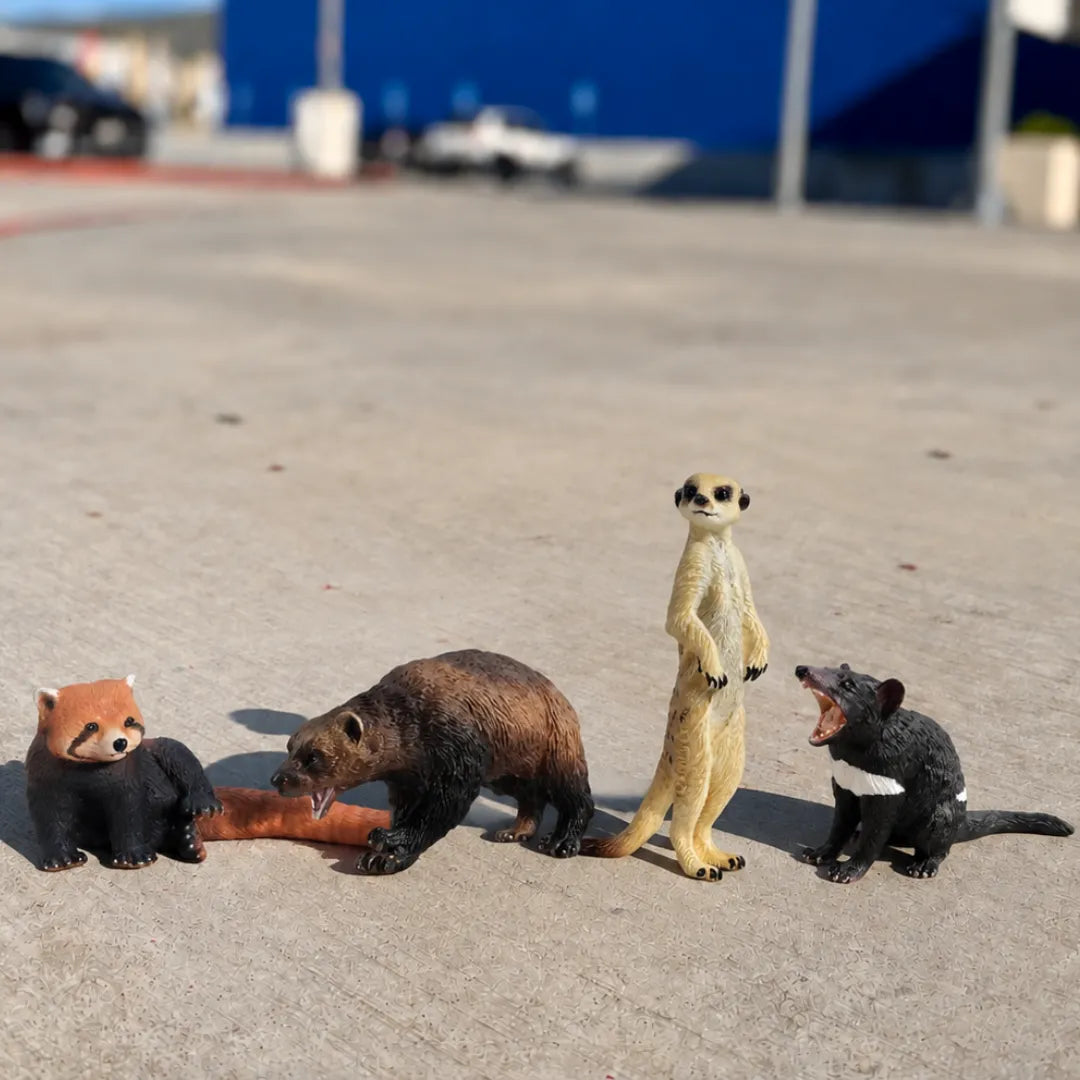
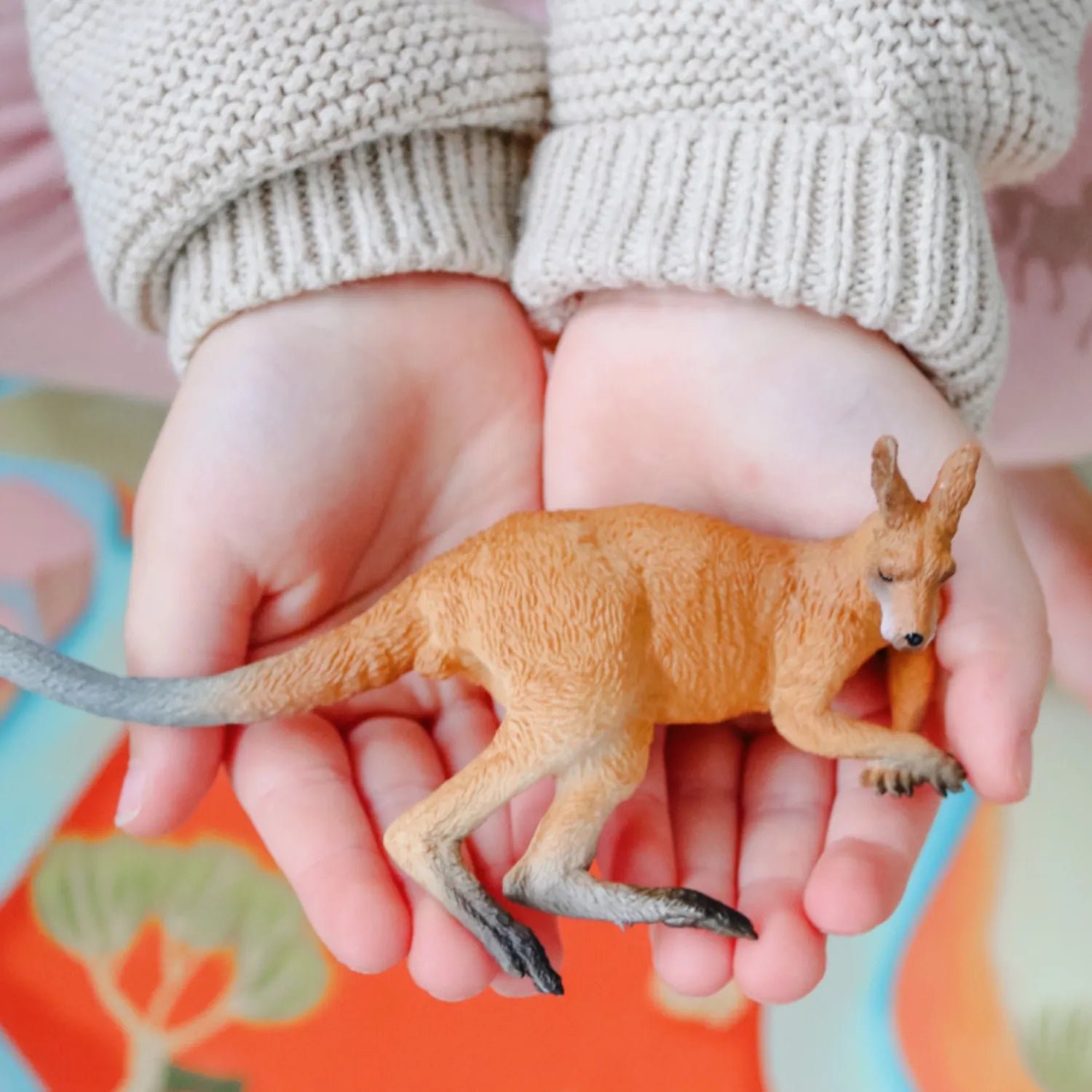
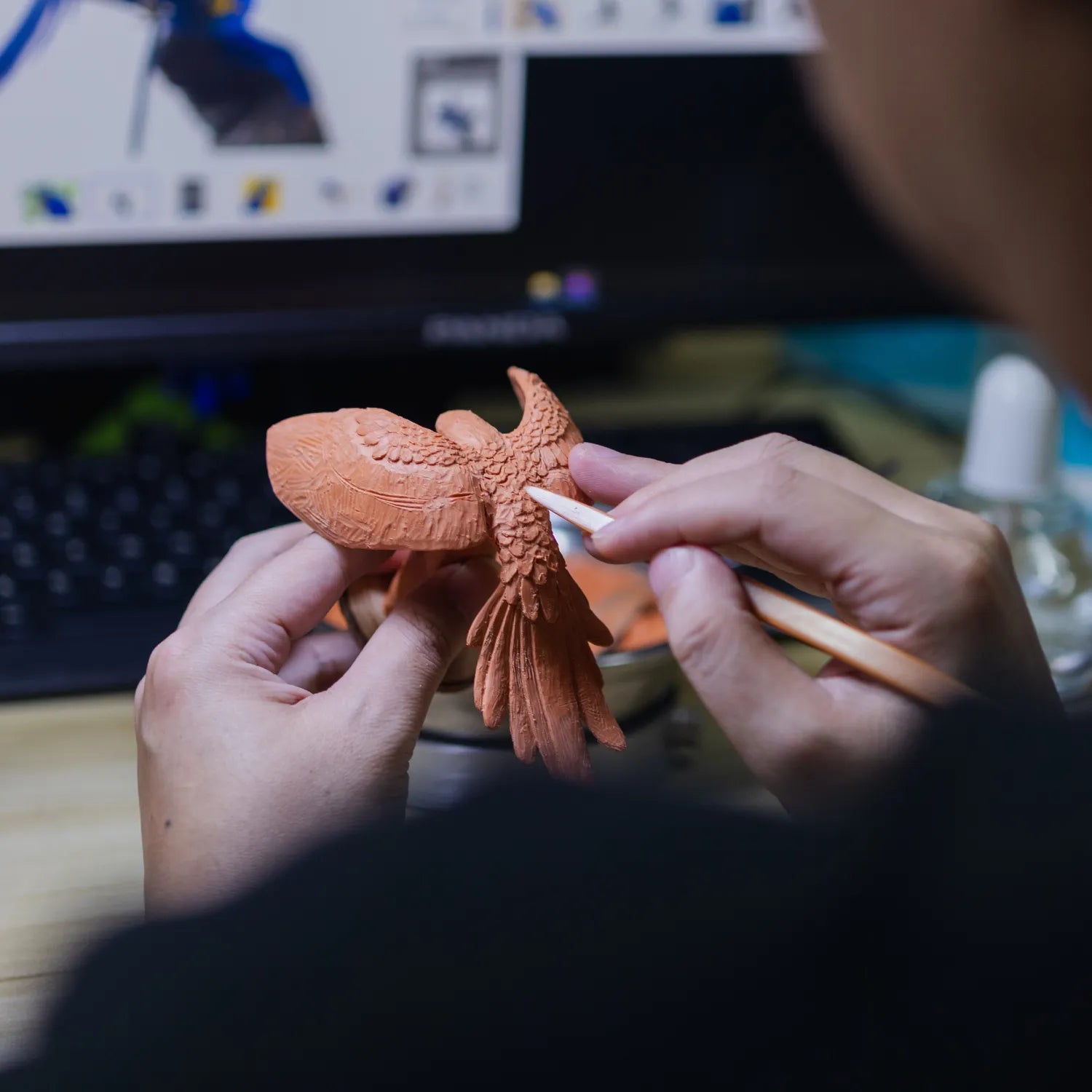
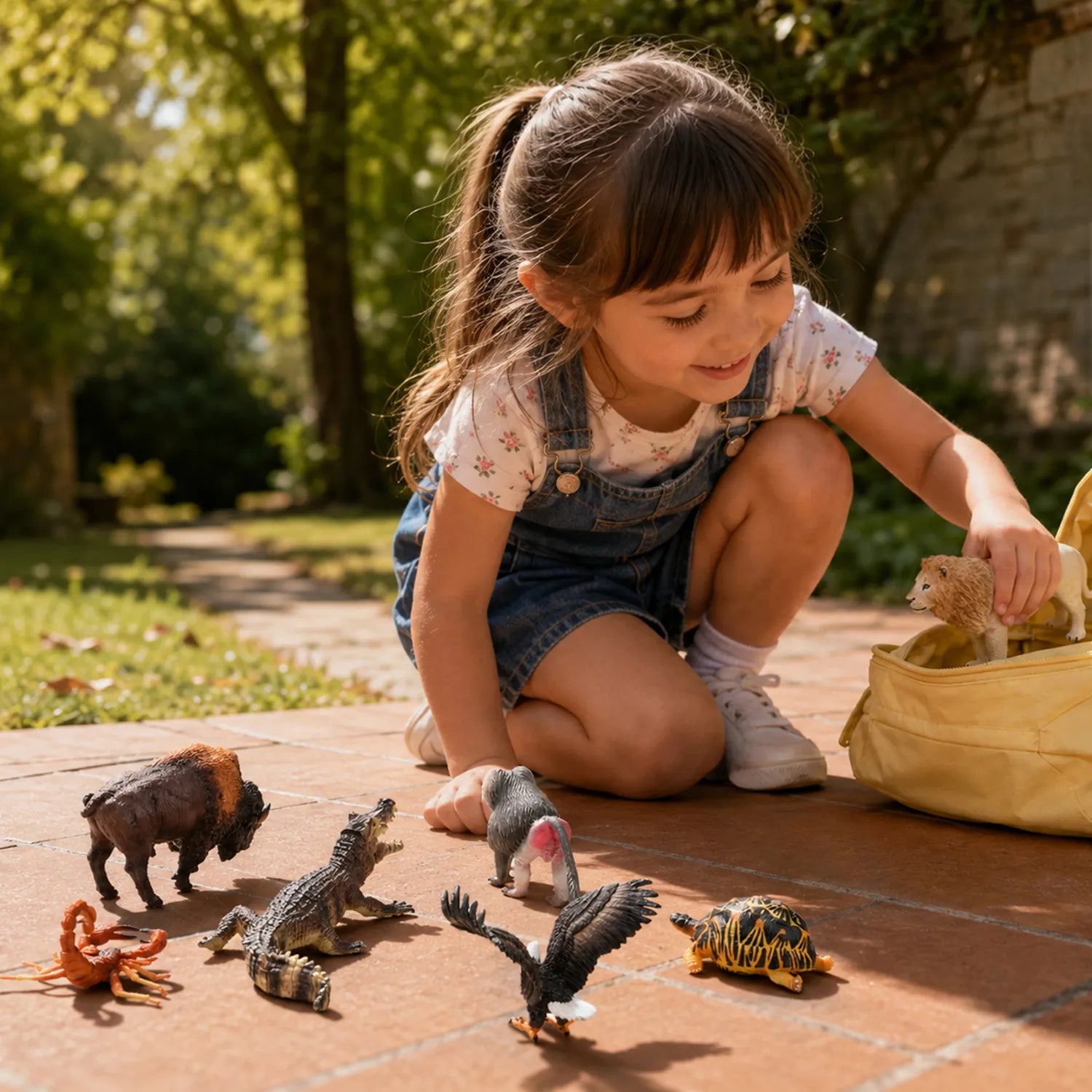
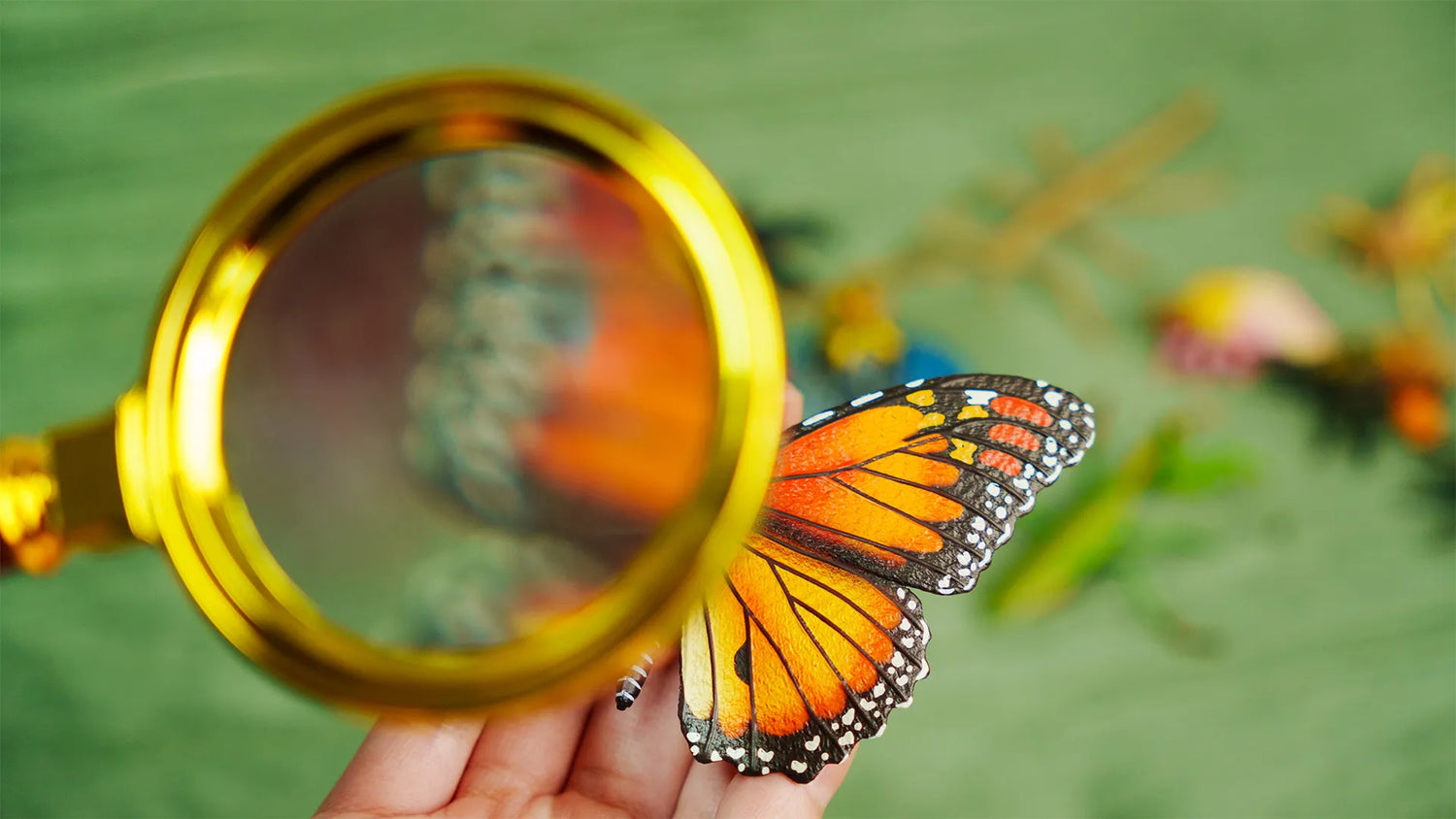
Toymany’s new insect playset brings together a fresh lineup of insect figures inspired by real species, natural behaviors, and small ecological details. In this blog, we’ll explore how the playset was created.
How Did We Choose These 12 Insects?
The natural world is not only made of large, iconic animals—some of its most fascinating forms of life exist on a much smaller scale.
Selecting this lineup was deliberate, balancing educational value, visual appeal, and collectible quality to create a miniature, living ecosystem rather than a simple assortment.

Some insects were chosen for recognizability, including ladybugs, honeybees, butterflies, mosquitoes, and mantises, offering a natural entry point for children and collectors.
Structural variety was also key. From hard-bodied beetles and delicate winged insects to long-bodied, camouflage, and predatory species, each figure adds visual depth and dynamic interest.
Color balance enhances both play and display, combining reds, blacks, greens, polished dark tones, soft earth hues, and lighter shades.
Finally, rarer species like the Rosy Maple Moth provide novelty and collectible appeal, showing that each figure was curated for discovery, engagement, and appreciation.
What Was the Most Challenging Part?
Bringing each insect to life required overcoming several complex challenges.
One challenge was the small scale and high complexity. Details like legs, antennae, wings, and body structure all play a major role in making each species recognizable, meaning each figure required a tailored design approach.

Another challenge was balancing lifelike form with structural stability. Delicate shapes look natural but are harder to sculpt and produce in a durable way.
The painting process added further difficulty. Insects rely on fine markings, subtle color transitions, and small details for realism, many of which depend on precise hand painting, placing high demands on craftsmanship and consistency.
To address this, our design team focused on each insect’s defining features, refining silhouettes, proportions, and anatomical details to ensure clarity and recognition. Sculpting was optimized to balance lifelike character with durability for handling and display.
For painting, we use systematic training for artisans, emphasizing patience, precision, and control. As much of the detailing is done by hand, every step requires disciplined execution.

During the final pre-launch review, this process was put to the test. While examining the butterfly figurine, a long-term collector we have worked with for several releases, Blaine, pointed out that its wing pattern appeared closer to a Common Tiger than the intended Monarch butterfly.
A closer internal review confirmed that a deviation in the hand-painting process had led to an incorrect species representation.
We immediately paused the release and returned the batch for refinement, correcting the painting before launch. This adjustment also contributed to the final release being moved from April to June.
More importantly, it reinforced a core principle in our work: at this scale, even the smallest painted detail matters, and every figure must remain true to the species it represents.
Spotlight on Three Signature Insects
To better show the creative thinking and craftsmanship behind this set, three standout figures offer a closer look at how inspiration was translated into finished insect figurines.
Dragonfly with a Rippling Water Base
This figure was designed to capture a familiar natural behavior rather than simply recreate a dragonfly. The transparent rippling base suggests the exact moment it touches the water, requiring extra care in balance, support, and overall composition.

Bee with Honey on Its Leg
The bee was shaped around a subtle ecological detail: honey clinging to its leg after gathering. This small feature makes the figure feel more like a living moment in nature than a static specimen. Although delicate, it adds depth to the sculpt and strengthens both realism and visual interest.

Rosy Maple Moth
As a rare species, it demanded precise color application and sculpting to preserve its soft pink-and-yellow wings and delicate form, making it both collectible and visually striking.

Across these examples, the team focused on defining features, clear silhouettes, and proportion refinement, simplifying only where necessary. Every detail was intentionally crafted to support recognition, lifelike accuracy, playability, and collectible appeal, ensuring each miniature insect feels balanced, expressive, and thoughtfully designed.
A Tiny World Worth Looking Closer At
More than a set of insect figures, this playset is a small study of diversity, behavior, and detail in the natural world. We invite you to explore the playset and take a closer look at each figure’s inspiration, design, and character.

Leave a comment
All comments are moderated before being published.
This site is protected by hCaptcha and the hCaptcha Privacy Policy and Terms of Service apply.