
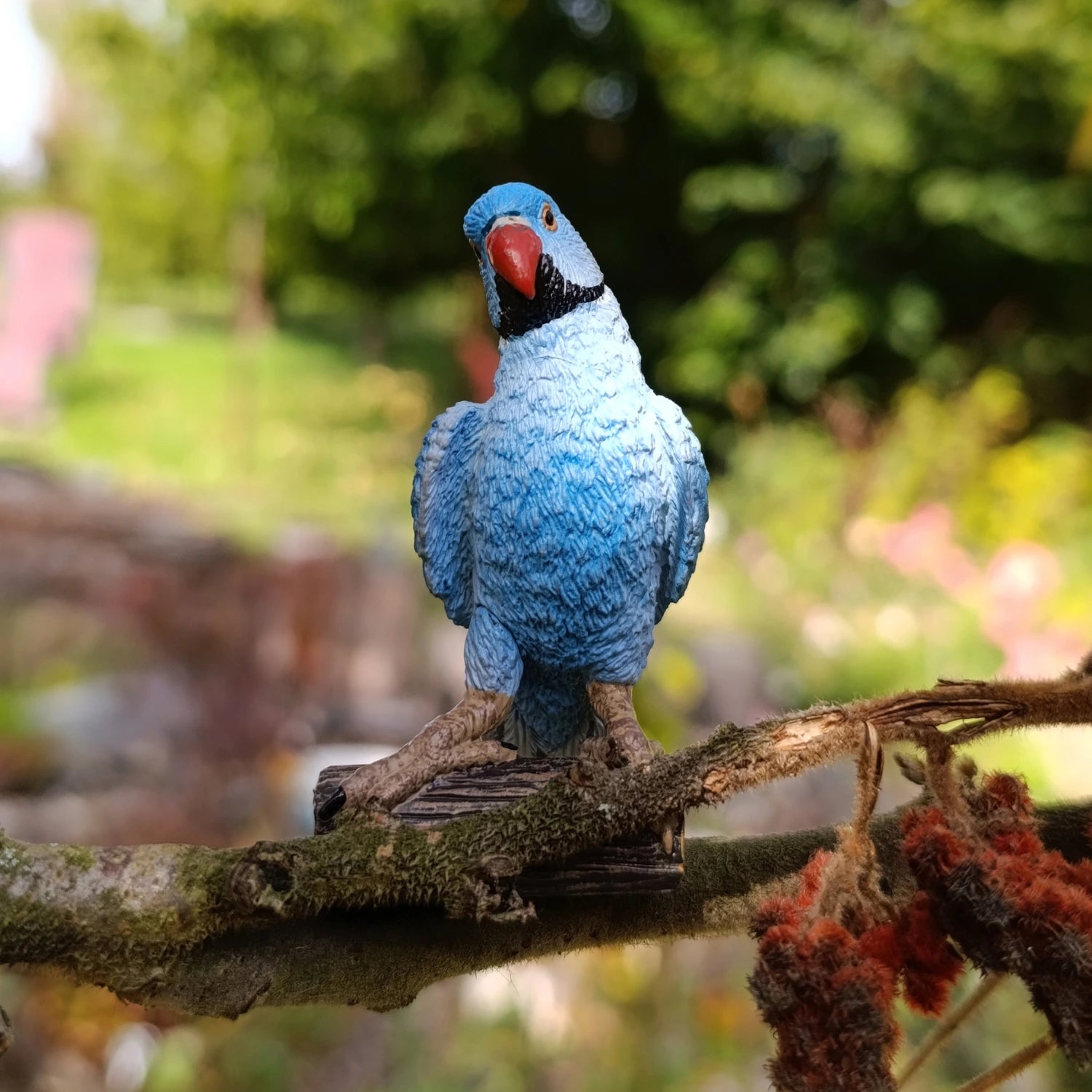
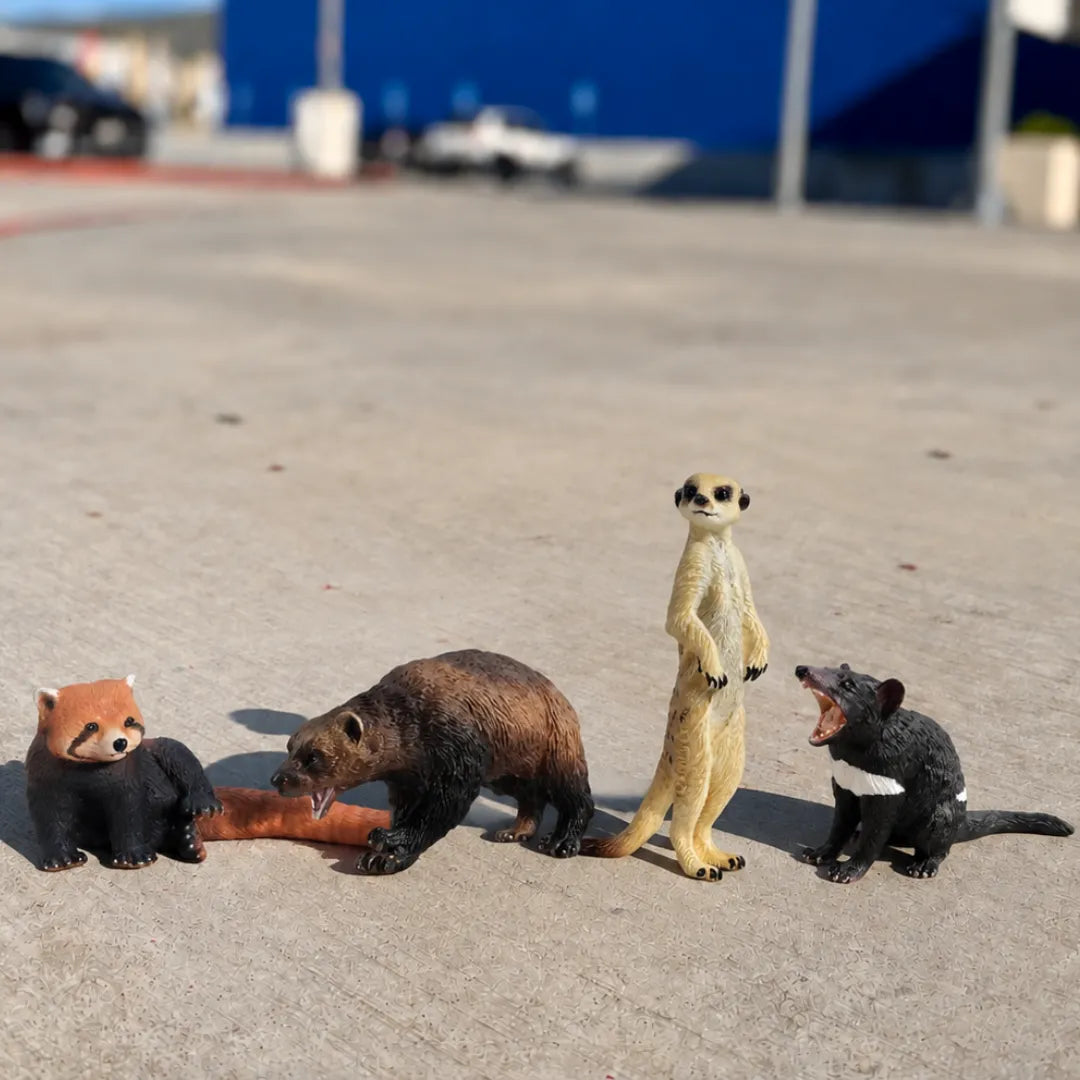
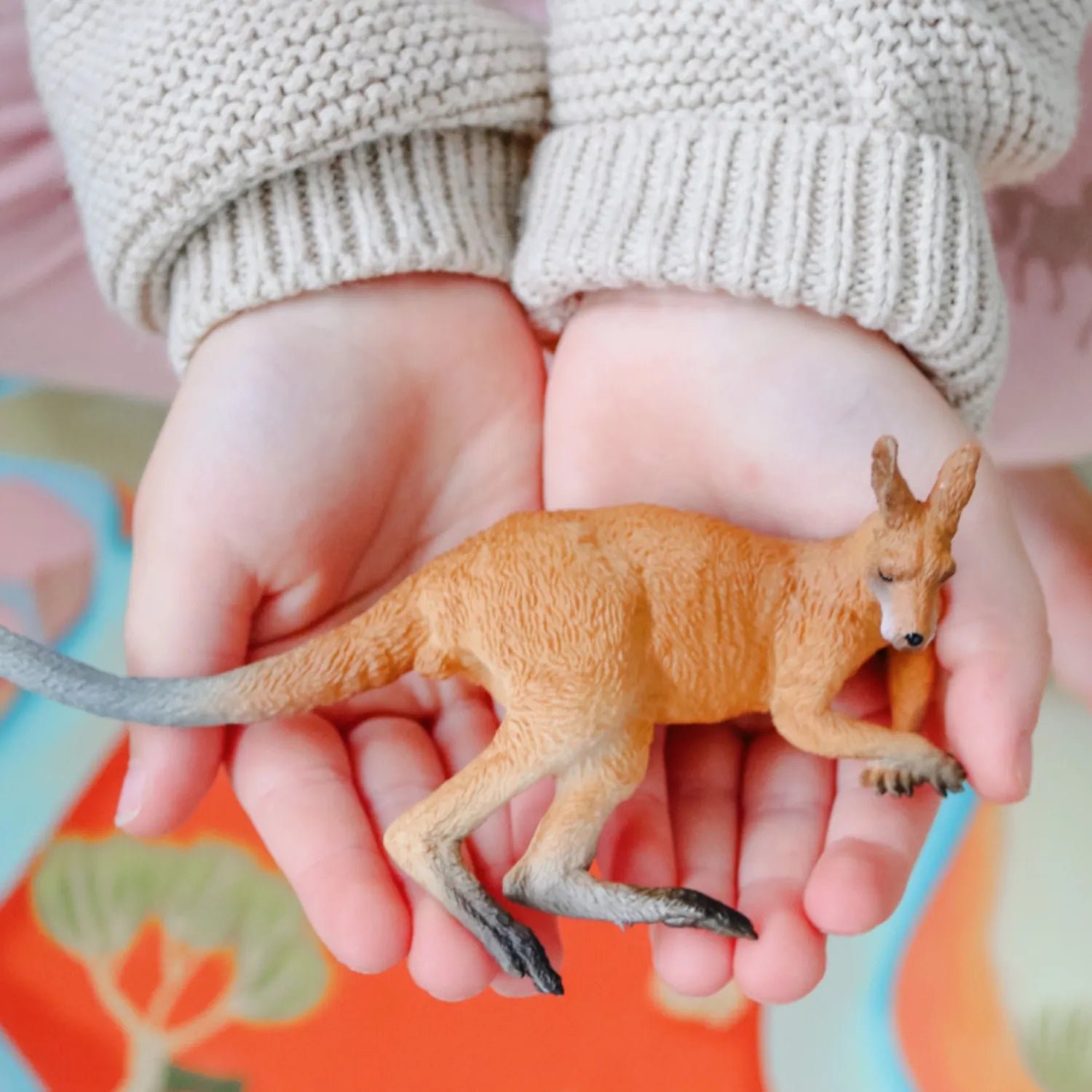
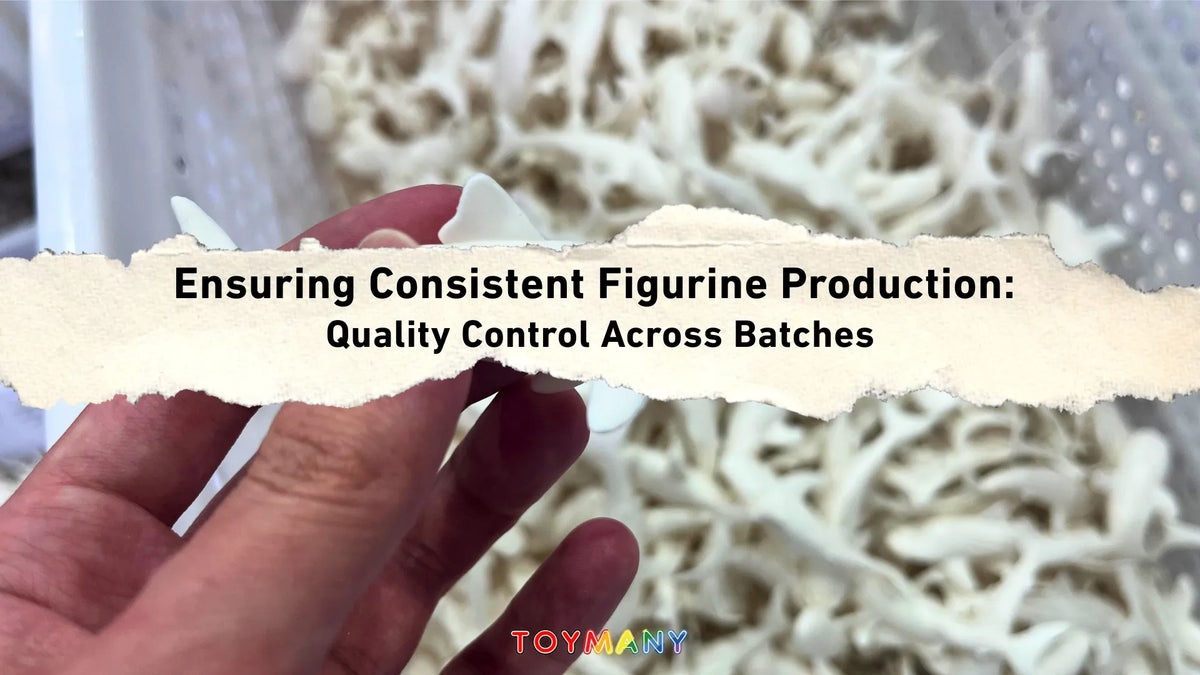
For an animal figurine manufacturer, creating a high-quality prototype is only the beginning.
The greater challenge is ensuring that every production batch maintains the same level of detail, accuracy, and overall quality as the original design.
During large-scale manufacturing, even small variations can affect the final appearance of a figurine. Differences in structure, surface details, or painting results may become noticeable when products are produced across multiple batches.
This is why consistent figurine production requires more than a good design — it requires a reliable quality control system throughout the entire manufacturing process.
At Toymany, we establish clear production standards from the early development stage and continue validating each step through our figurine production process. By using standardized references and quality control methods, we ensure that every batch stays aligned with the approved design.
In this article, we will explore what causes production inconsistency, how we maintain quality stability across batches, and why effective figurine quality control is essential for delivering reliable animal figurines at scale.
Why Consistency Matters in Figurine Manufacturing
Consistency is one of the most important factors in large-scale figurine production. For wholesalers, retailers, and long-term partners, product quality is not only judged by a single sample, but by whether every batch can maintain the same standards over time.
Small variations in proportions, surface details, or painting results may become more noticeable when products are produced in larger quantities. This can affect customer experience, brand reputation, and overall product reliability.
For this reason, achieving consistent figurine production requires a structured approach that controls quality throughout the entire manufacturing process, rather than relying only on final inspection.
How White Model Standardization Supports Consistency
A consistent production outcome starts with a consistent reference. This approach follows the broader idea of process-based quality management, where controlled processes and defined checkpoints help organizations achieve more predictable results.
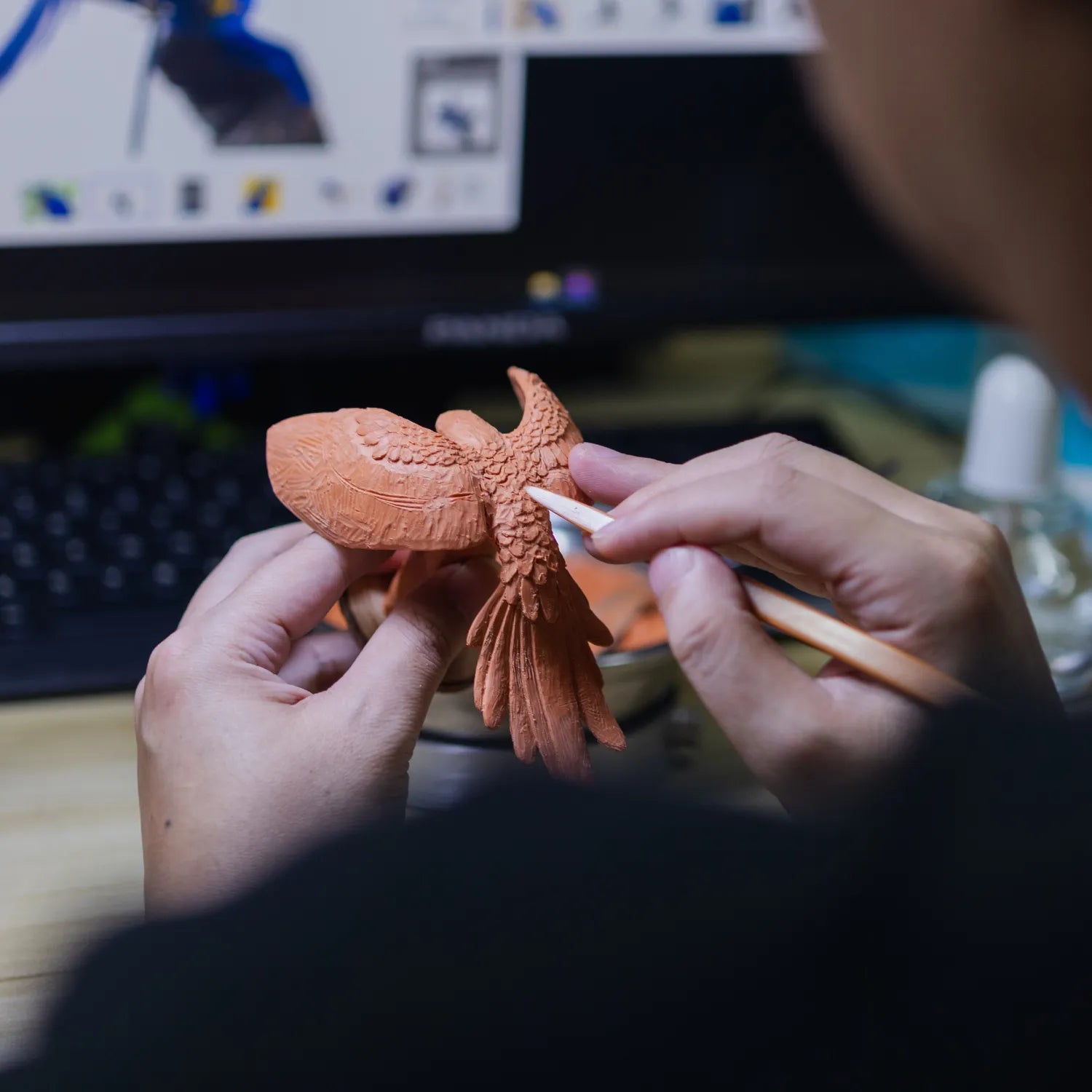
Before a figurine enters mass production, the approved white model serves as an important reference point for the entire manufacturing process. It defines the key elements of the design, including proportions, structure, surface details, and overall appearance.

Instead of relying only on individual interpretation during production, we use standardized references to ensure that every production stage follows the same design requirements.
For an animal figurine manufacturer, this standardization process is essential for maintaining consistent figurine production. It allows different teams and production stages to work toward the same target, reducing variation and improving overall figurine quality control.
Establishing Clear Production References
The white model is not only used to evaluate the prototype — it also becomes a production reference for later manufacturing stages.
Important details such as body proportions, surface features, and structural relationships are confirmed before production begins. These standards provide a clear foundation for molding, painting, and finishing processes.

By establishing these references early, we reduce uncertainty and ensure that each production batch remains aligned with the approved design.
Creating Consistent Standards Across Different Production Stages
Producing animal figurines involves multiple steps, from molding and assembly to painting and final finishing.
To maintain consistency, each stage needs to follow clear requirements rather than relying only on personal experience.

For example, painting teams need consistent guidance on color placement, detail emphasis, and finishing expectations. Assembly and finishing processes also require clear standards to ensure that every figurine maintains the same overall appearance.
This coordinated workflow helps transform an individual prototype into a repeatable production standard.
Reducing Variation Through Process Control
Consistency does not come from checking only the final product. It comes from controlling variation throughout the entire process.
By combining standardized references with structured workflows and quality checks, we can identify potential differences earlier and make adjustments before they affect larger production quantities.
This approach helps us maintain stable output across batches and supports reliable bulk animal figurine production for long-term partners.

Our Batch-to-Batch Validation Process
Maintaining consistency across production batches requires continuous validation throughout the manufacturing process. This reflects the broader principle of quality control, where inspection and process checks help ensure products meet defined requirements.
At Toymany, we do not rely on a single final inspection to determine product quality. Instead, we compare each production stage against established references to ensure that every batch remains aligned with the approved design standards.
Comparing Production Results Against Approved References
Each figurine begins with an approved design standard established during the development stage.
During production validation, we compare finished samples against these references, checking important elements such as:
- overall proportions
- structural details
- surface features
- key design characteristics
This comparison helps ensure that production results remain consistent with the original product concept, rather than gradually changing across different batches.
Checking Painting and Surface Detail Consistency
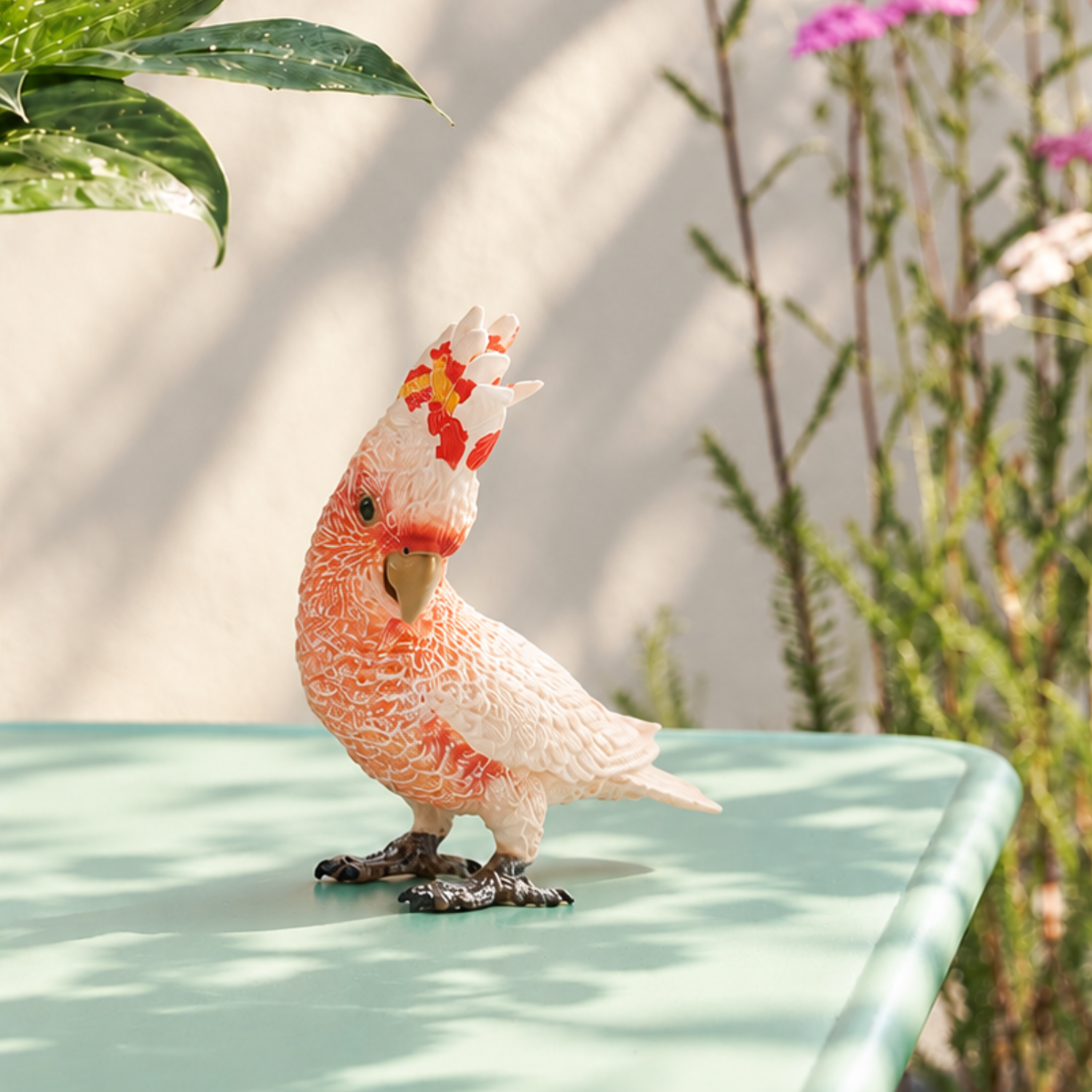
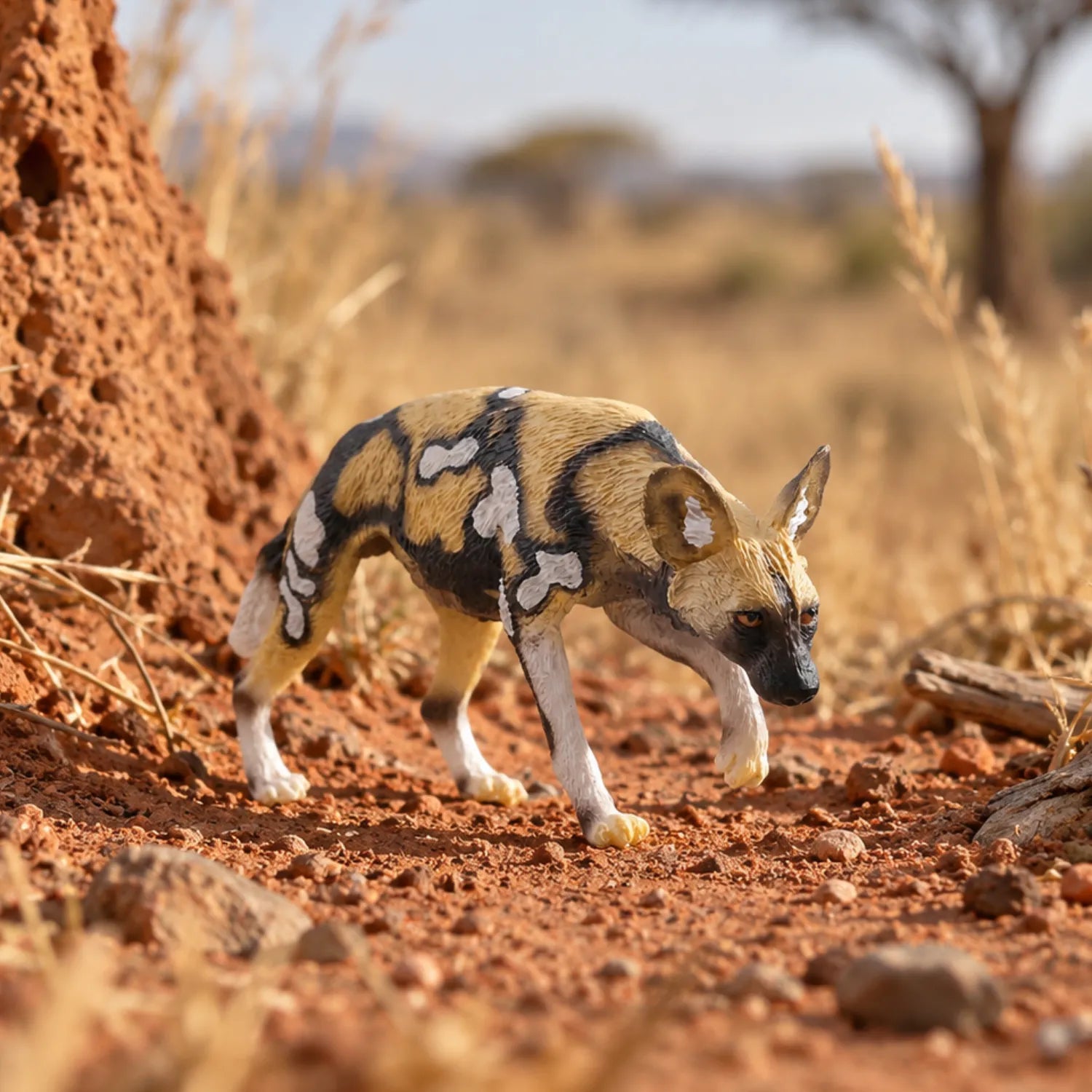
For animal figurines, painting and surface details play an important role in expressing the identity of each species.
Small differences in color placement, pattern accuracy, or detail emphasis can affect the overall appearance of a figurine.

To maintain consistency, our teams follow established painting standards and review important visual elements during production. Different stages of painting and finishing are handled with clear requirements, helping each batch achieve a similar final appearance.
This is especially important for designs with complex patterns or species-specific details, where visual accuracy strongly influences recognition.
Validating Quality Before Large-Scale Production
Before moving into larger production quantities, we evaluate whether the manufacturing result meets the expected standards.
For an animal figurine supplier, this type of validation is essential because wholesale orders often involve larger quantities and repeated purchases. Consistent quality helps partners confidently maintain the same product experience for their customers.
Building Reliable Partnerships Through Consistent Production
For wholesale partners, consistency is not only about how a figurine looks — it is about confidence in every future order.

A reliable animal figurine supplier needs to provide more than a well-designed sample. The ability to maintain stable quality across different production batches is what allows retailers and distributors to build long-term product lines with confidence.
At Toymany, we understand that each figurine represents not only a product, but also the trust between manufacturers and partners. By combining standardized references, structured workflows, and continuous figurine quality control, we aim to create a reliable production system that supports consistent results over time.
Whether for new product launches, repeat orders, or larger-scale bulk animal figurine projects, maintaining production consistency remains one of the key principles behind our manufacturing approach.
FAQ
Q1: Why can the same figurine have differences between production batches?
Even with a finalized design, small variations can occur during manufacturing due to factors such as material characteristics, production conditions, and manual operations.
This is why a reliable animal figurine manufacturer needs structured processes and quality control systems. By using standardized references and consistent workflows, potential differences can be identified and controlled throughout production.
Q2: How does Toymany ensure painting consistency for animal figurines?
Painting consistency is maintained through clear standards for color placement, detail application, and finishing requirements.
For animal figurines with complex patterns, textures, or species-specific features, our production teams follow established references to ensure that important visual characteristics remain consistent across different batches.
Q3: Can Toymany produce bulk animal figurines with consistent quality?
Yes. Consistent production is especially important for bulk animal figurine orders, where even small variations can become noticeable across larger quantities.
Through standardized production references, coordinated workflows, and batch validation processes, Toymany works to ensure that large-volume orders maintain stable quality and appearance.
Q4: How does Toymany maintain quality standards when producing new figurines?
When developing a new figurine, Toymany establishes clear product standards before moving into mass production.
These standards cover key elements such as design details, proportions, structural requirements, and finishing expectations. By defining these references early, we can ensure that new products enter production with clear guidelines and maintain stable quality throughout future manufacturing.

Leave a comment
All comments are moderated before being published.
This site is protected by hCaptcha and the hCaptcha Privacy Policy and Terms of Service apply.