

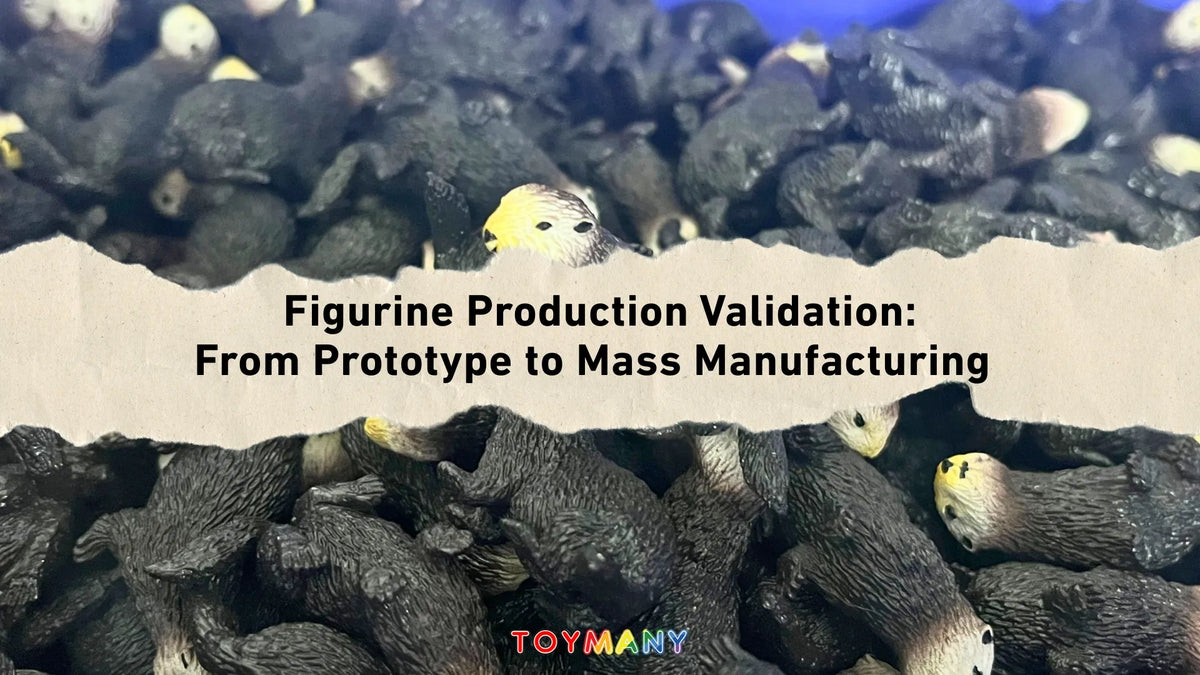
Before a figurine enters mass manufacturing, a completed prototype is only the beginning of the production journey.
A successful prototype needs to go through a careful validation process to ensure that its design can be translated into stable, repeatable, and production-ready results.
At Toymany, figurine production validation is an essential stage between prototype development and mass manufacturing. During this process, we evaluate whether a design can be reliably reproduced while maintaining the original artistic intent, animal characteristics, and production standards.
In this article, we will explore how we validate figurines before mass manufacturing and how this process helps ensure that each design is ready for consistent production.
Prototype Is Only the Beginning of Production Readiness
A completed prototype represents the creative vision of a figurine, but it does not automatically mean the design is ready for mass manufacturing.
During the prototype stage, the main focus is usually on capturing the animal’s appearance, character, and overall design intention. However, moving from a single prototype to large-scale production requires additional evaluation to ensure the design can be reproduced consistently and reliably.

For an animal figurine manufacturer, production readiness depends on more than visual accuracy. A successful design must also consider structural stability, manufacturing feasibility, material performance, and whether the details can be consistently reproduced during production.
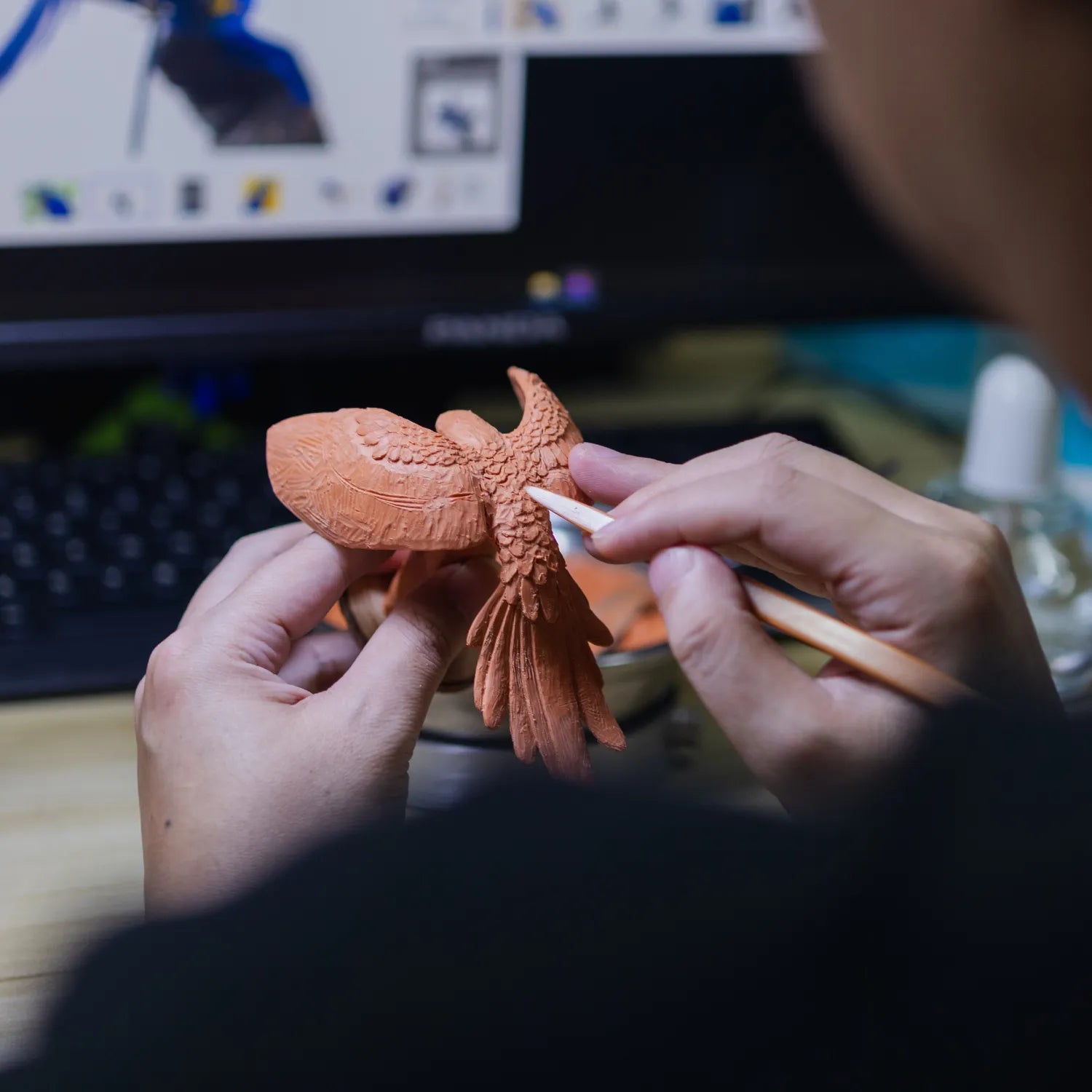
This is why figurine production validation is not simply a final review step, but an essential process that connects creative design with manufacturing execution. Before moving into mass production, we carefully evaluate whether the prototype can be transformed into a stable and repeatable production standard.
What Must Be Adjusted Before Mass Production
Moving from a prototype to mass manufacturing requires more than simply reproducing the original design. A prototype is created to express the intended concept, while a production-ready figurine needs to consider durability, repeatability, and manufacturing efficiency.
During figurine production validation, we review key design elements and make necessary adjustments to ensure that the figurine can be produced consistently without losing its original characteristics.

Proportion Simplification for Production Feasibility
Real animals have extremely complex anatomical structures, but not every detail can be directly transferred into a miniature figurine.
During prototype validation, we evaluate whether certain forms need to be simplified or adjusted to better fit production requirements. This does not mean reducing realism, but rather refining details so they remain clear, stable, and recognizable at a smaller scale.
For example, extremely thin elements or overly complex structures may become difficult to reproduce consistently during manufacturing. By adjusting these areas while preserving the animal’s key characteristics, we create a better balance between realism and production feasibility.
This process connects closely with our earlier discussion of how real animal proportions are translated into miniature design during animal figurine product development.
Structural Reinforcement Before Mass Production
A prototype may successfully represent the intended design, but some structural elements require further refinement before entering mass production.
During figurine production validation, we carefully evaluate areas that may experience higher stress during manufacturing, handling, or display. Thin parts, extended structures, and connection points often require additional attention to ensure the final figurine remains stable and durable.

One important consideration during structural design is how the figurine will maintain balance in its final form.
To improve standing stability, our sculptors consider support points from the early sculpting stage, including the initial modeling process. In many standing animal figurines, we aim to create a stable support structure by distributing weight across multiple contact points, often forming a balanced three-point support system.
This consideration begins during the earliest sculpting stage, where our design team evaluates body angles, weight distribution, and the relationship between the feet and the ground.
By addressing stability during the design process rather than after production begins, we can reduce structural risks and create figurines that are both visually natural and production-ready.

The goal of structural reinforcement is not to change the original design concept, but to improve its ability to withstand real production conditions.
By addressing structural risks before mass manufacturing, we reduce potential production issues and create a more reliable foundation for consistent figurine production.
Pose Feasibility Confirmation
A visually dynamic pose may look impressive in a prototype, but it still needs to be evaluated from a production perspective before mass manufacturing.
By refining poses when necessary, we can preserve the natural expression of the animal while ensuring the figurine remains stable and manufacturable.
For a deeper look at how we evaluate animal movement and pose feasibility, explore our article on Figurine Prototype Development: Pose Selection & Feasibility.
Validation Criteria Before Mass Production
During figurine production validation, we evaluate the prototype from multiple production perspectives to ensure it can move from a single approved design into a repeatable manufacturing process.
A production-ready figurine needs to meet more than visual expectations. It also requires controlled processes and defined validation steps to achieve reliable manufacturing outcomes, which aligns with broader quality management principles.
It must demonstrate structural stability, consistent reproduction capability, and compatibility with later production stages such as painting and finishing.
Stability Check
A figurine may look natural in a prototype stage, but production validation ensures that its structure can withstand manufacturing processes, packaging, transportation, and regular handling.
By confirming stability before mass manufacturing, we reduce potential structural issues and create a stronger foundation for reliable production.

Reproducibility Check
A prototype must be more than a one-time result — it must be something that can be consistently reproduced. This idea reflects broader manufacturing practices that emphasize repeatable processes and controlled production systems.
During validation, we evaluate whether important design elements can remain consistent throughout the figurine production process, including proportions, surface details, and overall appearance.
For an animal figurine manufacturer, reproducibility is essential because wholesale and bulk orders require stable quality across larger quantities.
Painting Compatibility
Surface details, texture direction, and color separation all influence how effectively a figurine can be painted during production.
A well-prepared design allows painting teams to apply colors and details more consistently, helping maintain the intended appearance across different production runs.
This validation step also connects with how we ensure paint-ready figurines maintain quality during manufacturing.

Case Study: A Real Example of Product Validation
Refining Our New Insect Playset Before Launch
A successful production validation process is not only about confirming whether a figurine can be manufactured. It is also about ensuring that the final product accurately represents the intended design before reaching customers.
One example came during the development of our new insect figurine playset.
After the prototype stage was completed and samples were prepared for production, we received valuable feedback from experienced animal figure collectors regarding one of the insect designs. The feedback focused on whether the species-specific characteristics were clear enough and whether the visual details accurately represented the intended insect.
Although the product had already reached an advanced development stage, we believed that further validation was necessary before moving forward with mass production.
Instead of continuing directly into production, we decided to return the sample for additional review and research. Our team carefully re-examined the anatomical characteristics, visual features, and design details of the species to determine whether further refinement was needed.
This additional validation process required more time and resulted in a delay to the original launch schedule. However, we believe that product readiness should always be determined by quality standards rather than timelines alone.

This experience reinforced the importance of figurine production validation. Validation is not only a manufacturing checkpoint, but also a process that helps improve accuracy, product quality, and confidence before a figurine reaches the market.
Inspired by the unique characteristics and details of different insect species, this collection involved careful research and design refinement throughout the development process. We shared more about the inspiration and design details behind this collection in our article, “The Creative Story Behind Toymany's New Insect Playset.”

For animal figurine development, every detail matters. By listening to feedback, reviewing designs carefully, and making adjustments when necessary, we aim to ensure that every Toymany figurine reflects both manufacturing reliability and respect for the animals it represents.
FAQ
Q1: How does Toymany ensure prototype designs can be reproduced consistently?
A prototype must be transformed into clear production standards before mass manufacturing begins.
Through design references, structural evaluation, and production validation, we confirm that key features can be maintained across repeated manufacturing cycles. This allows us to support stable, consistent figurine production for larger orders.
Q2: Does product validation affect the launch schedule?
Product validation may require additional time, especially when further refinement is needed.
At Toymany, we believe that ensuring product quality and accuracy is more important than rushing a product to market. Additional validation helps us deliver figurines that better represent the original design intention and meet production standards.
Q3: Why can’t a finished prototype directly enter mass manufacturing?
A finished prototype represents the design concept, but mass manufacturing requires additional evaluation.
A prototype may need adjustments in areas such as structure, proportions, or production feasibility before it can be reproduced consistently. Validation helps identify these factors early and reduces potential challenges during large-scale production.

Leave a comment
All comments are moderated before being published.
This site is protected by hCaptcha and the hCaptcha Privacy Policy and Terms of Service apply.